Sideway Turn
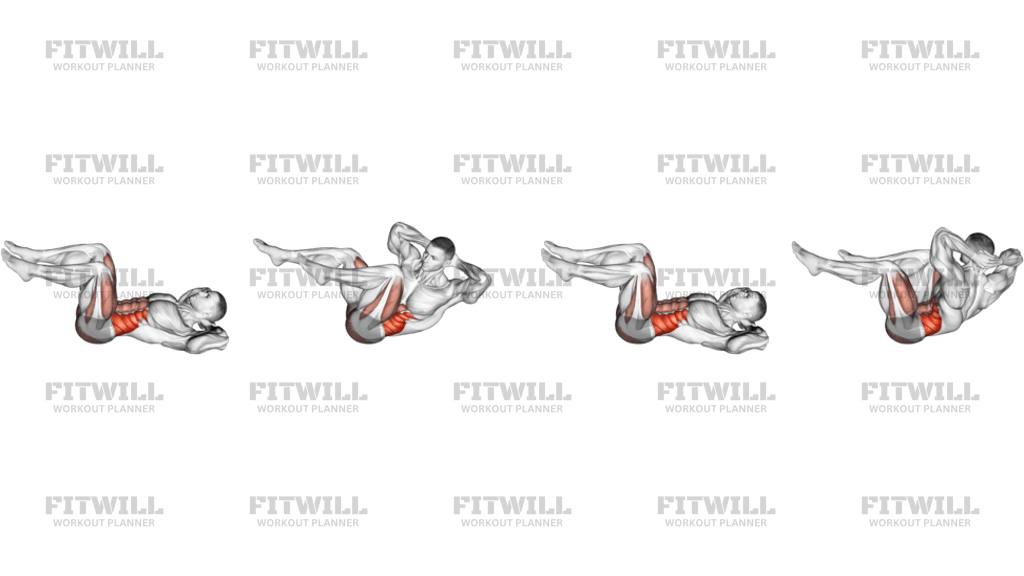
The Sideway Turn is a bodyweight core exercise performed lying on your back with your legs raised straight up toward the ceiling. From this vertical position, you rotate your hips and lower your legs sideways toward the floor on one side, then return to center and repeat on the other side. The movement is essentially a controlled hip rotation against gravity, which is why the obliques along the sides of your waist light up so strongly throughout the exercise.
This exercise is particularly useful for anyone who wants to train rotational and anti-rotational strength without equipment. Because your arms stay flat on the floor for support, the demand falls squarely on the trunk to control the legs as they swing away from midline. Athletes who twist in their sport, such as racket players, golfers, and martial artists, benefit from the rotational control it builds, and it also works well as a progression from simpler lying leg raises or bent-knee side drops.
The setup matters more than most people expect. Lying flat with your arms out in a T-shape and your shoulders pinned to the floor creates a stable base, while starting with the legs at a true right angle to the torso puts the load on the obliques rather than the hip flexors. If your legs drift toward your head before you begin, or if your lower back peels off the floor immediately, the whole exercise loses its intended effect and your lower back takes on stress it should not have to absorb.
To execute it well, keep the movement slow and deliberate. The legs should travel in an arc, not a drop. Your opposite shoulder should stay pressed into the floor even as the hips rotate, and the knees can stay straight or softly bent depending on your flexibility and control. Only lower as far as you can keep both shoulders down and the movement smooth, then pull the legs back to vertical with the side of your waist doing the work.
A common use case is as a mid-workout core finisher or as one of two or three abdominal movements done at the end of a session. Because it requires no equipment beyond a floor surface, it travels well to hotel rooms, home workouts, and group training settings. The main safety point is simple: never let momentum fling the legs down or bounce them off the floor. If your range is limited, bend the knees more or shorten the arc rather than forcing depth.
[ Workout Log & Planner ]
Put your next workout in Fitwill
Keep your plan and training log ready when you are.


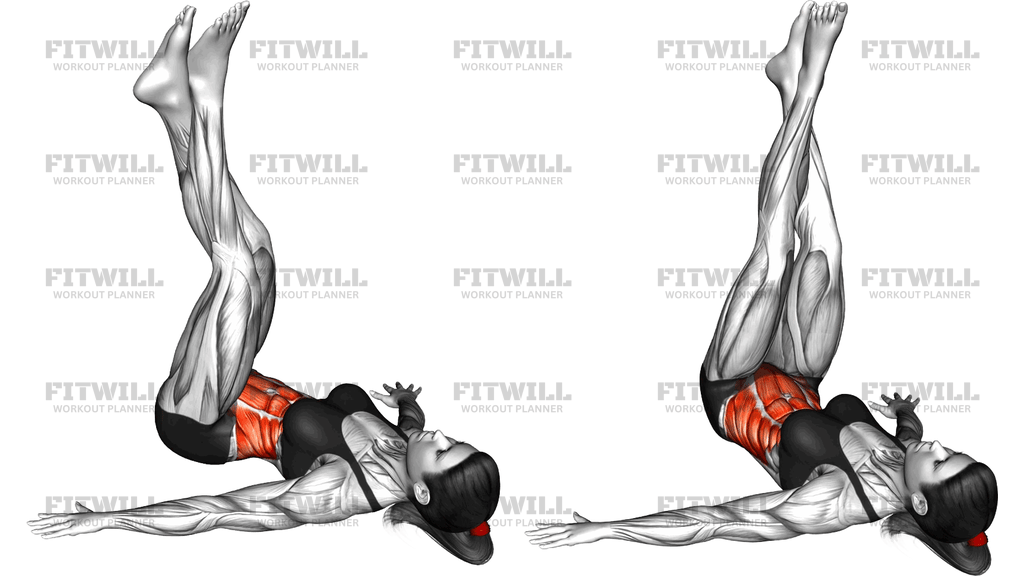
Instructions
- Lie flat on your back on the floor or an exercise mat, arms extended straight out to your sides at shoulder height in a T position, palms facing down.
- Raise both legs straight up until they are perpendicular to the floor, knees fully extended or nearly so, feet together.
- Press your shoulders, arms, and palms firmly into the floor and brace your abdominal wall as if preparing for someone to push on it.
- Keeping the legs together and relatively straight, slowly rotate at the hips and lower both feet sideways toward the floor on your right side.
- Stop when your feet are a few inches from the floor or when your right shoulder begins to lift, whichever comes first.
- Squeeze the left side of your waist to pull the legs back up to the vertical starting position over your hips.
- Exhale as you lower the legs and inhale on the way back up, keeping the breath steady rather than holding it.
- Repeat the same lowering and return on the left side to complete one full repetition.
- Continue alternating sides for your target number of repetitions, resetting your brace at vertical before each new rep.
Tips & Tricks
- If your hamstrings pull and force your knees to bend during the turn, that is acceptable, but keep the bend identical on both sides so the load stays even.
- The most frequent mistake is dropping the legs too fast and bouncing off the floor. Aim for a two- to three-second lower so the obliques, not gravity, control the arc.
- Watch the opposite shoulder. The moment it peels off the floor, you have gone past your available range, which shifts work into the lower back.
- Do not plant the hands and push to haul the legs back up. The arms are for stabilization only, so keep the pull coming from the side of your waist.
- If a full straight-leg range is too demanding, bend the knees to roughly 90 degrees first. This shortens the lever and lets you learn the rotation pattern before straightening the legs.
- Keep the feet together throughout the turn. Letting them separate is a sign the hips are losing control of the rotation.
- On a hard floor, place a thin mat or folded towel under your lower back for comfort, since the spine stays in contact the entire time.
- Avoid turning your head to watch your feet during the turn. Keeping your eyes on the ceiling helps the shoulders stay square and level.
Frequently Asked Questions
What muscles does the Sideway Turn work?
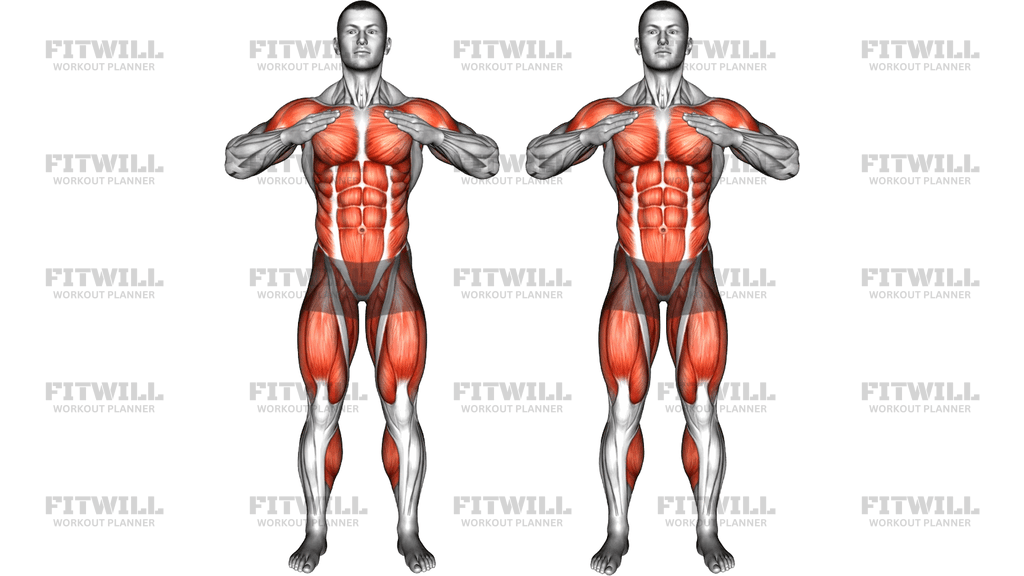
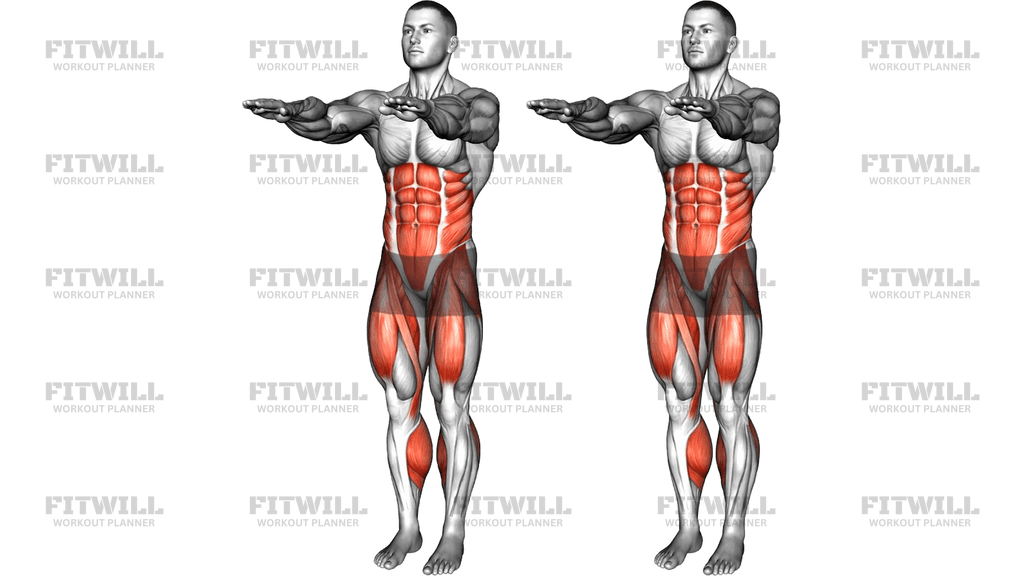
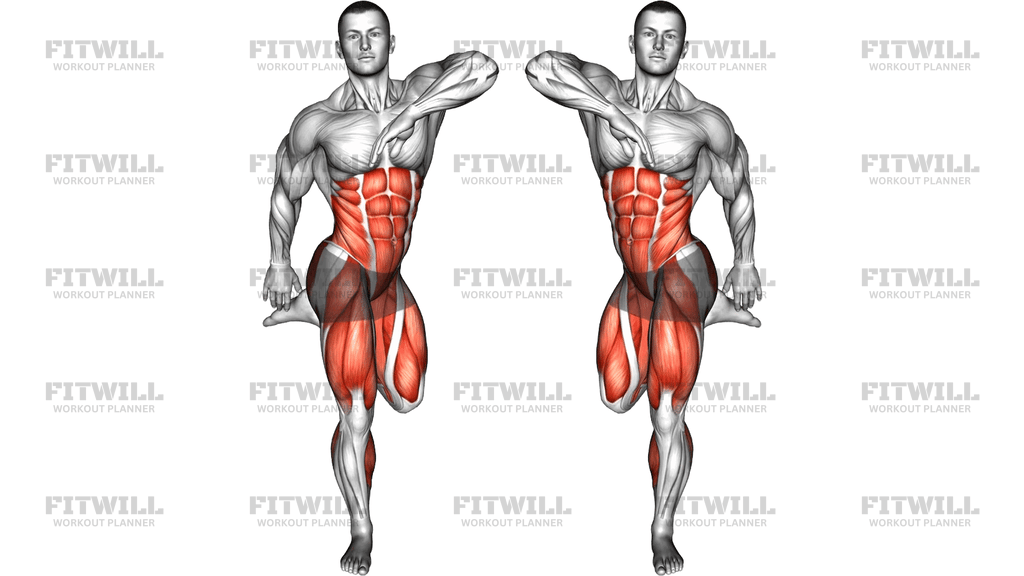
The primary muscles are the internal and external obliques on the sides of your waist, which control the rotation of the hips. The rectus abdominis, deep core, and hip flexors assist as the legs lower and return to vertical.
Should my legs be straight or bent during the Sideway Turn?
Straight legs make the exercise harder because they create a longer lever for your core to control. If you cannot keep your shoulders on the floor with straight legs, bend the knees to about 90 degrees and progress from there.
How far should I lower my legs to the side?
Lower only until your feet are just above the floor or until the opposite shoulder starts to lift. Going past that point does not increase oblique work; it just loads the lumbar spine.
Why do my shoulders keep coming off the floor?
This usually means the range is too wide for your current rotation mobility or core control. Reduce the depth of the turn, keep the palms pressed down, and consider bending the knees to shorten the lever.
Can beginners do the Sideway Turn?
Yes, with a modified version. Bend the knees, limit the arc to about half the distance to the floor, and prioritize slow, controlled reps over depth before progressing.
Is the Sideway Turn safe for my lower back?
It is generally fine when performed with a controlled tempo and a range you can keep your shoulders grounded through. If you feel any pinching or discomfort in the lower back, shorten the range, bend the knees more, or stop and consult a qualified professional.
How is the Sideway Turn different from a Russian twist?
A Russian twist rotates the upper body while seated, whereas the Sideway Turn rotates the hips and legs while your upper body stays anchored to the floor. The lying position makes it easier to keep the shoulders honest and harder to cheat with momentum.
How many repetitions should I do?
Eight to twelve full alternating repetitions per set is a solid starting range. Focus on smooth control rather than speed, and add reps or straighten the legs once twelve clean reps feel easy.
What can I use instead if I do not have a mat?
Any firm, comfortable surface such as carpet or a folded towel works, since the exercise requires no equipment. Just make sure the surface is not slippery enough for your arms to slide during the turn.