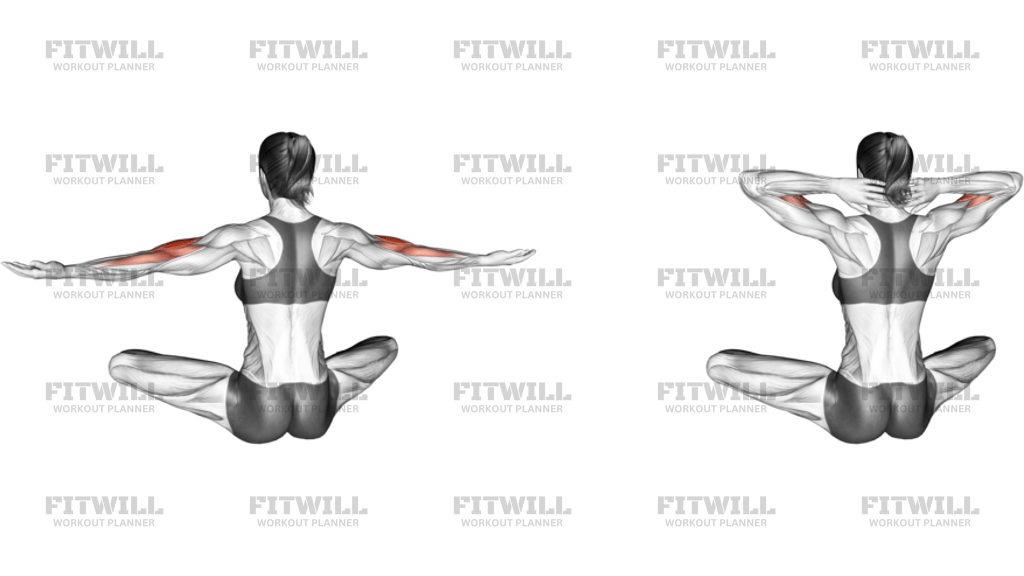
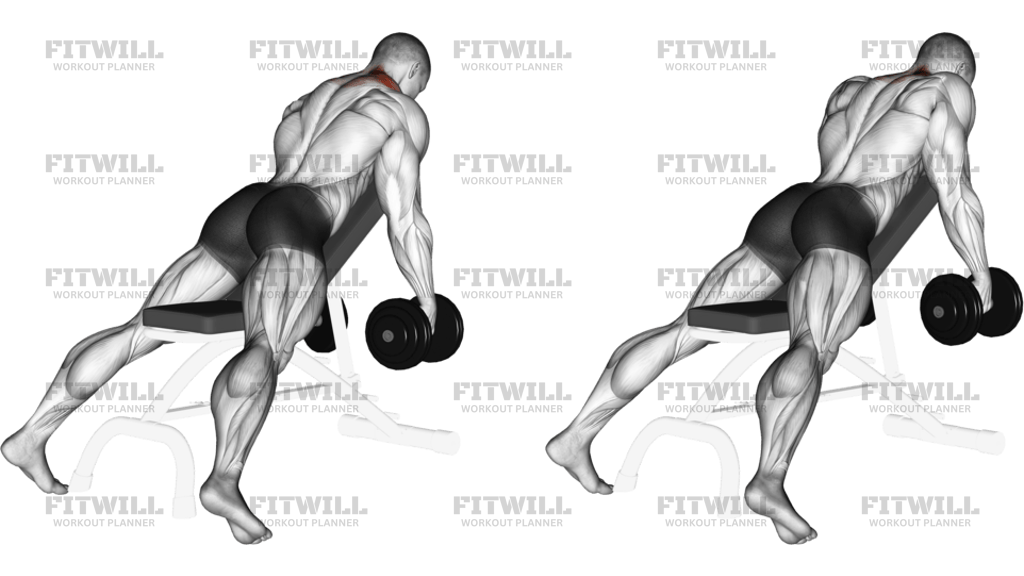
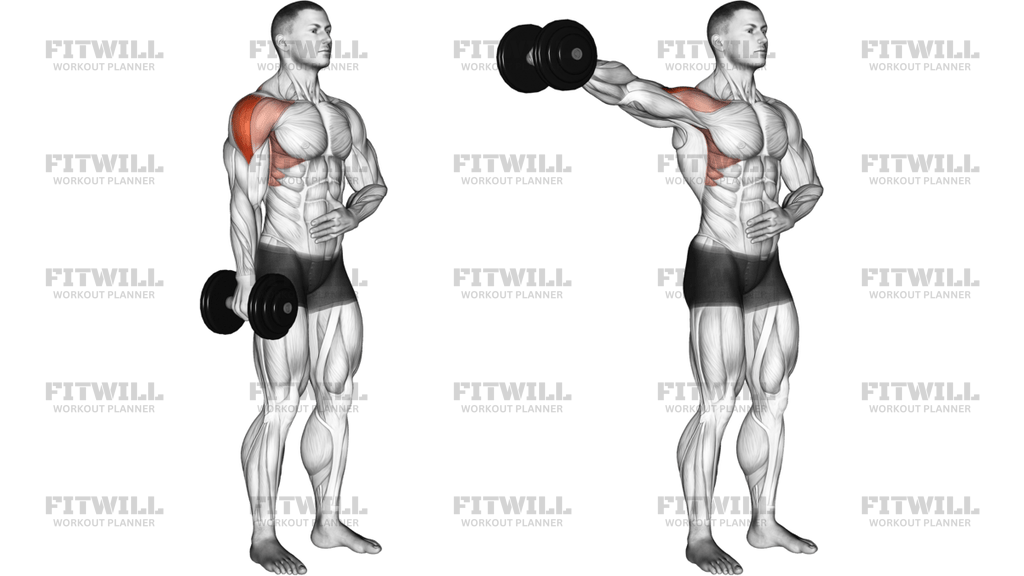
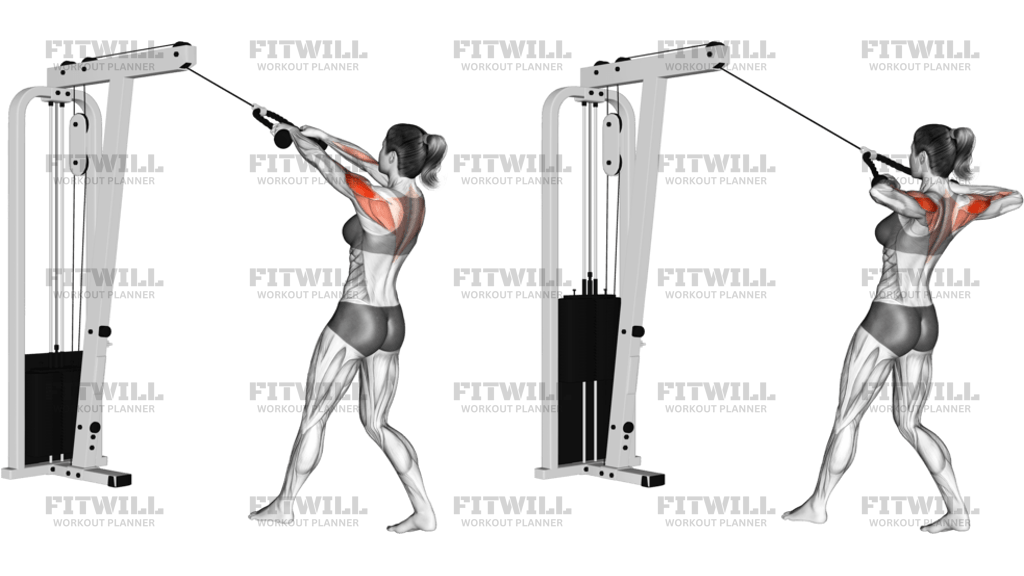
Seated Neck Side Stretch
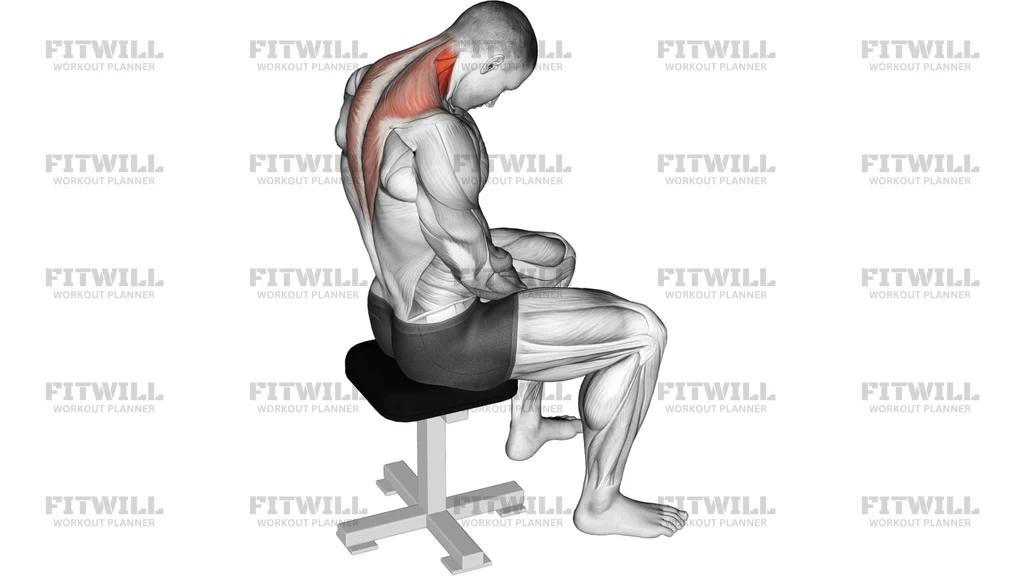
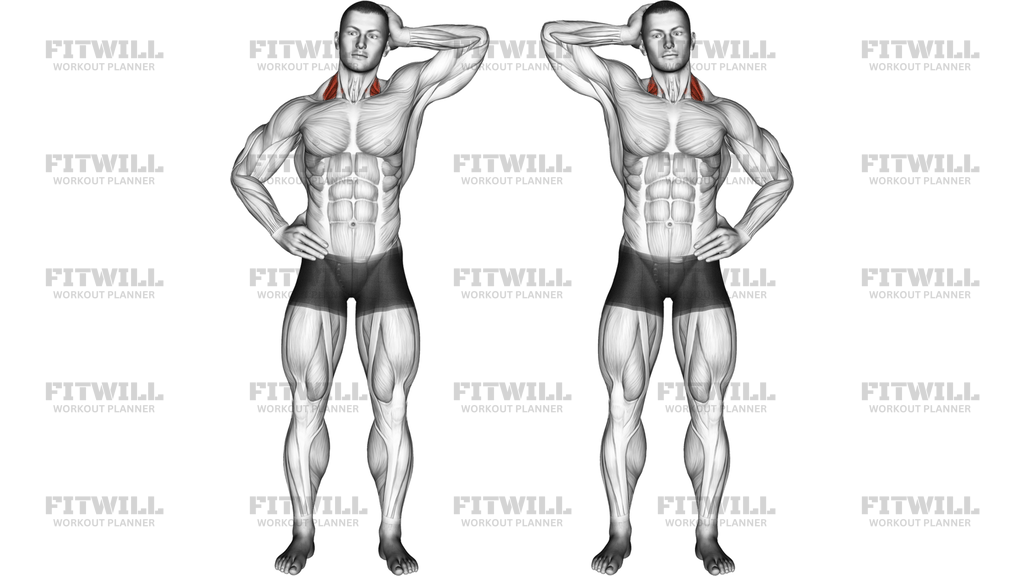
The Seated Neck Side Stretch is a gentle, self-assisted stretch that targets the muscles running along the side of the neck, most noticeably the levator scapulae and the upper fibers of the trapezius. You sit on the floor with your legs crossed, one hand resting lightly beside you for support, and use the opposite hand to guide your head sideways and slightly forward, drawing the ear toward the same-side shoulder. The highlighted area in the movement is the small band of muscle running from the upper cervical spine down toward the shoulder blade, which is exactly the tissue that tightens from desk work, phone use, and carrying stress in the shoulders.
This stretch is especially useful for people who spend long hours at a computer, drivers, and anyone who holds tension between the base of the skull and the top of the shoulder. Because you are seated with your torso anchored, it is easy to isolate the stretch to the neck itself rather than recruiting the whole upper body to chase the range. The crossed-leg seat also puts you in a stable, upright position that discourages slumping, which matters because a rounded torso will shorten the very muscles you are trying to lengthen.
The setup is simple but worth getting right. Sitting tall with a neutral spine, shoulders relaxed and away from the ears, gives the side-neck muscles a full working length before you even begin to tilt. The assisting hand should cup the head near the ear and temple, never the jaw or the chin, so the pull is distributed across the skull rather than pressing on the jaw joint. The supporting hand on the floor provides a quiet anchor that keeps the shoulder blade of the stretching side from shrugging up to meet the head.
Execution should feel like a patient lengthening, not a tug. You tilt the head sideways and let the assisting arm add only a small amount of extra pressure, breathing slowly while the tissue releases on its own timeline. Many people feel a strong line of stretch from just behind the ear down toward the top corner of the shoulder blade, sometimes even toward the inner edge of the shoulder blade, which is a sign the levator scapulae is genuinely involved.
The Seated Neck Side Stretch fits well into warm-downs, desk-break routines, and pre-sleep mobility work. Hold each side for roughly 20 to 40 seconds, repeat two to three times per side, and keep the pressure light enough that you could take a full breath without wincing. If any position produces sharp pain, tingling, or symptoms running down the arm, ease off immediately and reduce the range or the hand pressure rather than pushing through.
[ Workout Log & Planner ]
Put your next workout in Fitwill
Keep your plan and training log ready when you are.


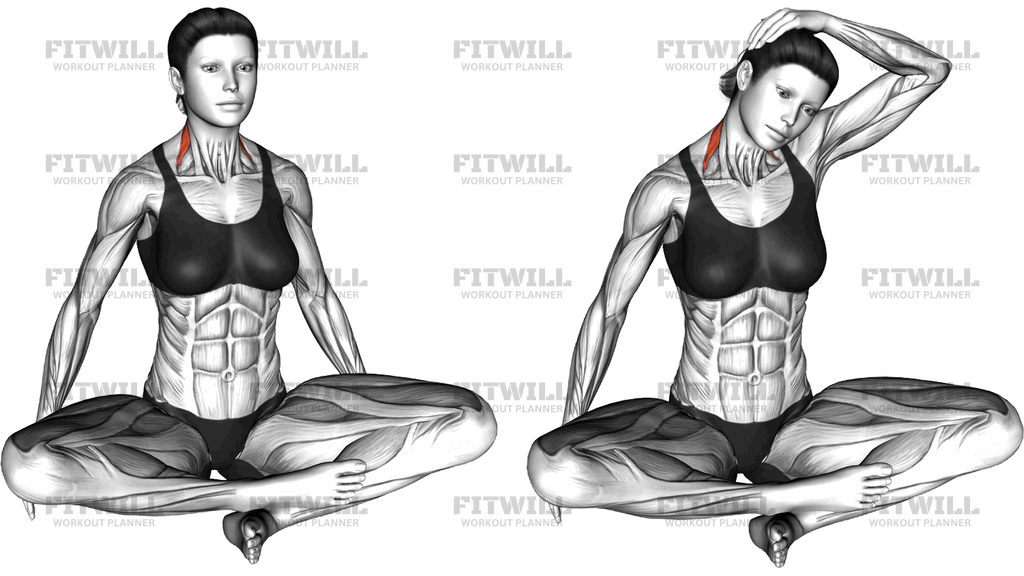
Instructions
- Sit on the floor with your legs crossed and your sitting bones grounded, stacking your spine into a tall, neutral position.
- Let your shoulders drop away from your ears, then place one hand flat on the floor beside your hip for support.
- Raise the opposite arm and bring your hand over the top of your head so the palm rests on the side of your head, fingers spread near the ear and temple.
- Brace lightly through your core to keep your torso from leaning, and relax the shoulder of the side being stretched.
- Gently guide your head sideways, drawing the ear toward the same-side shoulder while letting the opposite shoulder stay heavy and pulled down.
- Allow the head to drift slightly forward as you tilt, which deepens the stretch along the back and side of the neck.
- Hold the end position for 20 to 40 seconds, breathing slowly and letting the stretch ease a little with each exhale.
- To come out, use your hand on the head to slowly assist the neck back to upright before releasing your arm, rather than letting the neck snap back.
- Rest for a few breaths, then switch sides so the assisting and supporting hands swap roles and repeat on the other side.
Tips & Tricks
- Apply pressure with the weight of your relaxed hand, not a squeeze or a pull; forcing the head sideways is the most common way this stretch goes wrong.
- Keep the shoulder of the stretching side actively lowered. If it shrugs toward the ear, the upper trapezius shortens and the stretch disappears exactly where you want it most.
- Do not rotate or twist the head during the tilt; the motion is a clean sideways tilt with only a slight forward drift.
- If you feel the stretch mainly at the top of the shoulder, add a small forward nod of the chin and you will usually feel it move up behind the ear into the side of the neck.
- Anchor your torso by pressing the supporting hand into the floor; letting the whole upper body lean sideways hides the stretch in the trunk instead of the neck.
- Rest the assisting hand on the skull, not the jaw, so you avoid pressure on the jaw joint and keep the guide force even.
- Sit on a folded mat or thin cushion if your hips are tight, because a slumped cross-legged position rounds the spine and shortens the side-neck muscles.
- Exhale as you tilt into the stretch and keep breathing steadily; holding your breath raises tension through the neck and defeats the purpose.
- Expect one side to feel tighter than the other; match the hold time to the tighter side and never chase symmetry with extra force.
Frequently Asked Questions
Which muscles does the Seated Neck Side Stretch target?
It primarily lengthens the levator scapulae and upper trapezius along the side and back of the neck, with secondary stretch through the scalenes and the top of the shoulder.
Why is the Seated Neck Side Stretch done in a cross-legged position?
Sitting cross-legged anchors the torso and pelvis so the stretch stays isolated in the neck instead of being lost through trunk leaning, and it provides a stable base for the supporting hand on the floor.
Where should my assisting hand be placed during the Seated Neck Side Stretch?
Place it over the top of the head with the palm on the side of the skull near the ear and temple. Avoid the jaw or chin so the guiding force stays on the skull and off the jaw joint.
I feel this stretch in my shoulder, not my neck. What am I doing wrong?
Your shoulder is probably shrugging toward your ear on the stretching side. Keep that shoulder pulled down and heavy, and add a slight forward nod of the chin to shift the sensation up into the side of the neck.
Is the Seated Neck Side Stretch safe for beginners?
Yes, it is one of the simplest neck stretches to learn. Beginners should focus on light hand pressure and a comfortable tilt, letting the hold time and range develop over weeks rather than forcing depth on day one.
How long should I hold each side?
Hold for 20 to 40 seconds per side and repeat two to three times. Longer holds are fine as long as the pressure stays light and breathing remains relaxed.
What is a good substitute if sitting on the floor is uncomfortable?
The same stretch works well from a chair. Sit tall with both feet flat, keep one hand gripping the seat or resting beside your thigh for support, and guide the head with the other hand exactly as you would seated on the floor.
Can I do the Seated Neck Side Stretch every day?
Yes, it is gentle enough for daily use, which makes it a common choice for desk-break routines. Just keep the intensity low so the tissue responds to regular easy exposure rather than occasional hard pulling.
When should I avoid this stretch?
Skip it if tilting the head produces sharp pain, dizziness, or tingling that runs into the arm, and reduce the range or hand pressure if only mild discomfort appears. Persistent symptoms should be assessed before continuing.
Why do I need a hand on the floor if the stretch is in my neck?
The supporting hand anchors your torso so the shoulder on the stretching side cannot lift and shorten the muscles you are trying to lengthen, keeping the tension where it belongs.