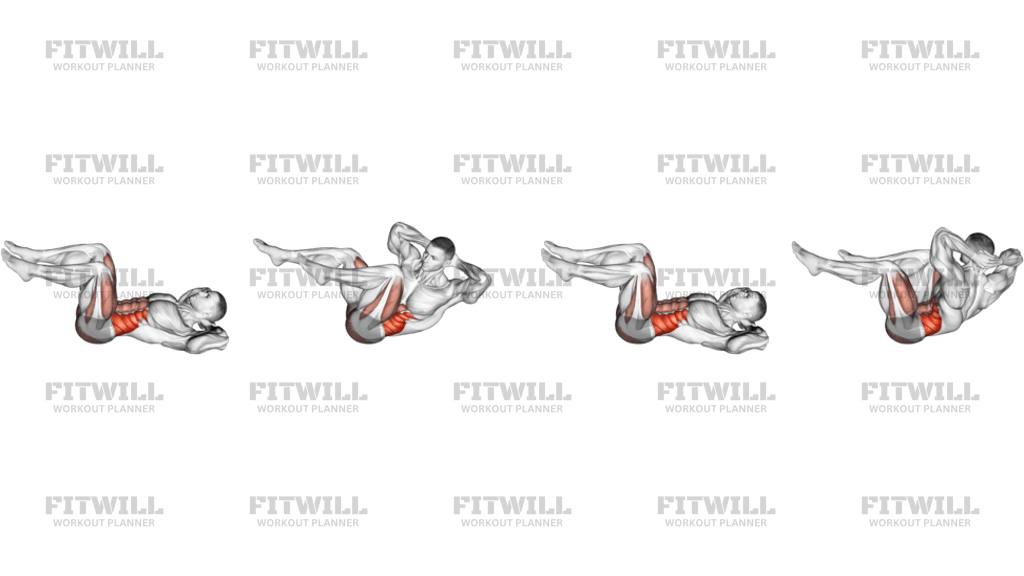
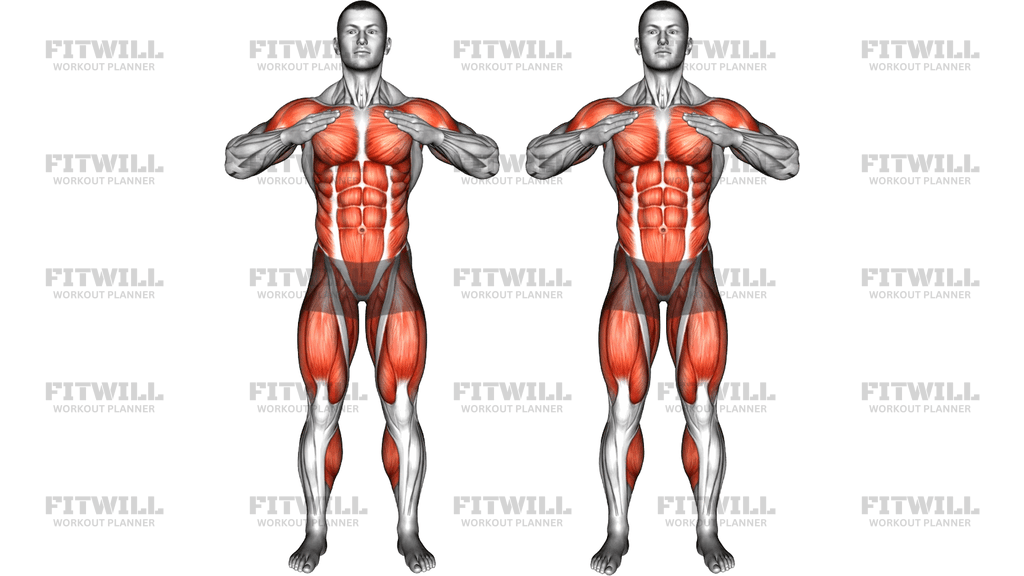
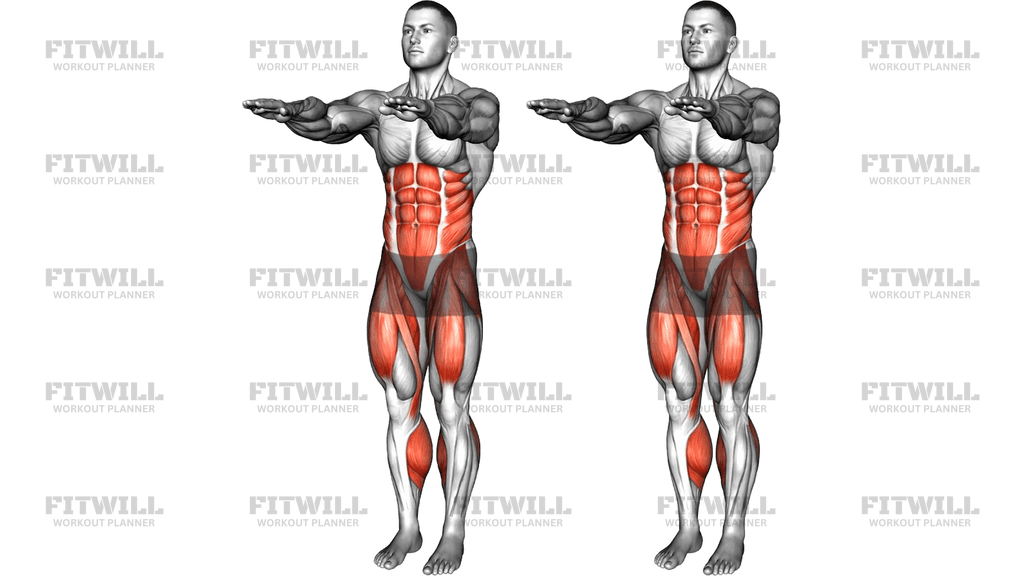
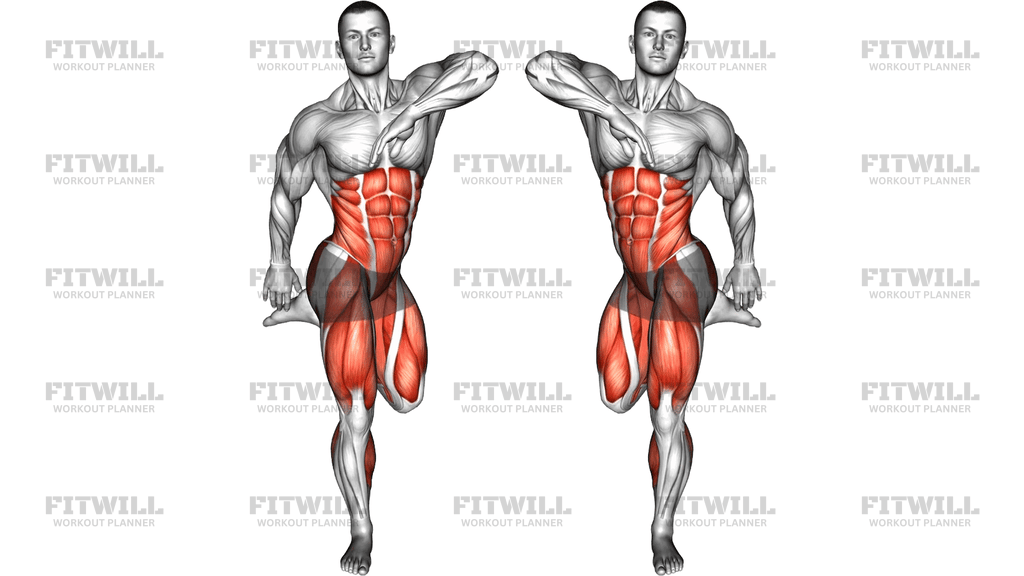
Knee Stand Kick Side Bend
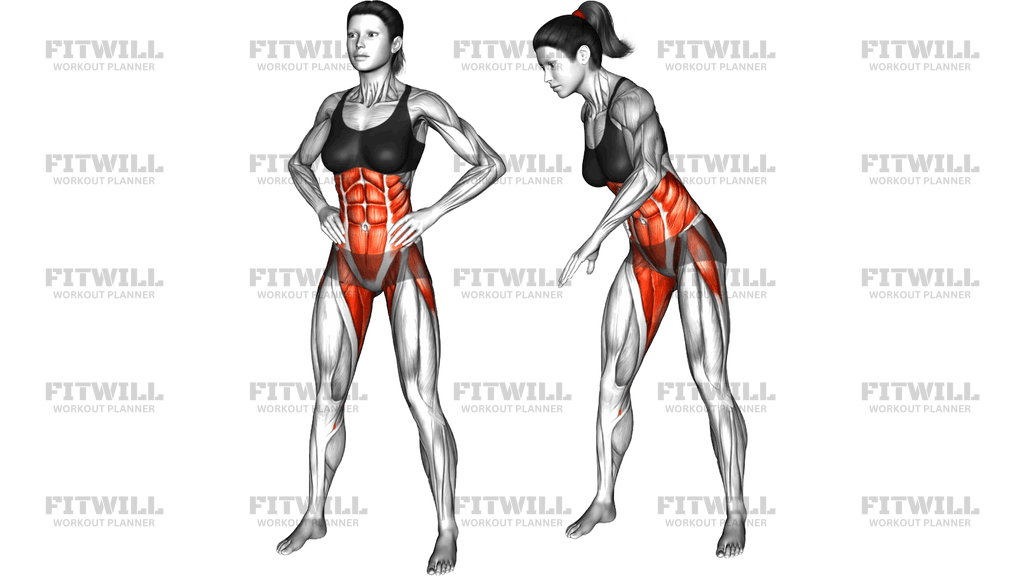
The Knee Stand Kick Side Bend is a bodyweight lateral bend performed from a kneeling base with one leg kicked straight out to the side. You kneel on one knee, extend the opposite leg fully to the side with the foot flat on the floor, then reach the arm on the same side as your kneeling leg up and overhead as you bend sideways over the extended leg. The bottom hand can slide down the outstretched thigh for support and to gauge your range. It is a simple-looking drill that quietly demands a lot from the sides of your waist, the outer and inner hip, and your ability to stay tall while moving sideways.
This movement is especially useful for people who feel compressed or stiff through the lateral line of the body — the obliques, the quadratus lumborum in the lower back, and the muscles running down the outer hip. Because the extended leg places the inner thigh and groin on stretch at the same time, you train lateral hip mobility and trunk side-bending in one pass. It suits desk workers with tight hips, lifters who never move sideways, and anyone practicing yoga or general mobility work who wants a controlled way to open the side body.
The setup matters more than it looks. Kneeling lowers your center of gravity so you can focus on the bend itself, while the kicked-out leg anchors the lower body and prevents you from simply rounding forward. The width of the extended leg determines both the stretch on the inner thigh and how far you can safely tip sideways. A mat under the kneeling knee makes the position comfortable enough to hold and repeat on both sides.
To execute it well, think of length before bend. Grow tall through the spine first, reach the top arm long, and only then travel sideways over the extended leg, keeping both hips facing forward rather than twisting toward the floor. The bend should feel like a long arc through the ribs and waist, not a collapse at the waist or a dump of weight into the lower back. Move slowly, pause briefly at your deepest comfortable position, and return upright under control before switching sides.
Because it is low load and self-paced, the Knee Stand Kick Side Bend works well as a warm-up before lower-body training, as a stand-alone mobility break during the day, or as a finishing stretch after squats, lunges, or core work. Treat it as a skill of controlled side flexion: consistent, smooth reps on both sides will do more for you than forcing a deeper lean on one side.
[ Workout Log & Planner ]
Put your next workout in Fitwill
Keep your plan and training log ready when you are.


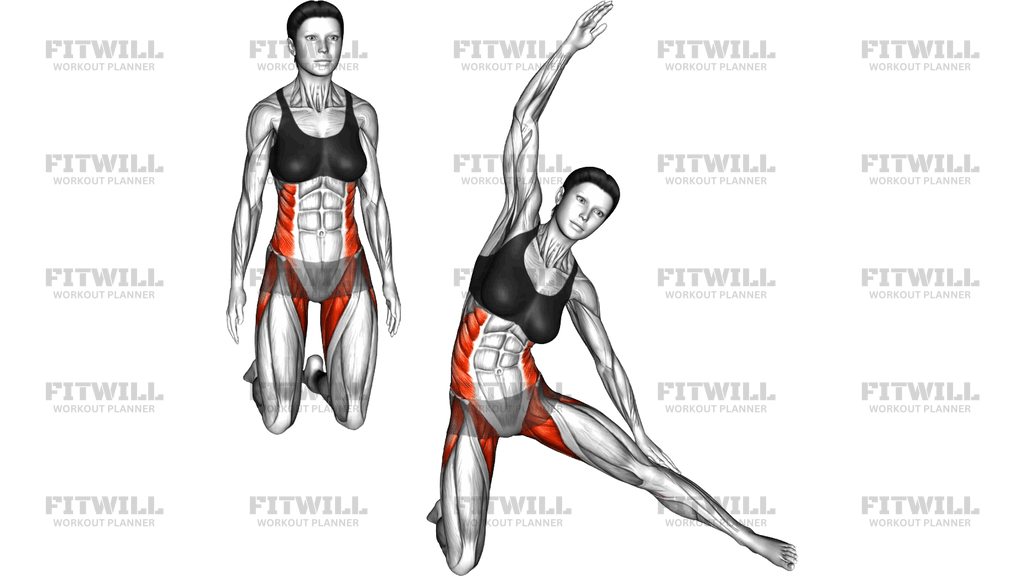
Instructions
- Place an exercise mat on the floor and kneel on your left knee with the left knee stacked directly under the left hip, foot relaxed behind you.
- Extend your right leg straight out to the side, toes pointing forward and the right foot flat on the floor with the knee fully straight.
- Square both hips to the front and brace the trunk lightly so the ribs stay stacked over the pelvis.
- Let the right hand rest lightly on the extended right thigh while the left arm hangs relaxed at your side.
- Reach the left arm up toward the ceiling, lengthening through the fingertips before you begin to bend.
- Bend sideways to the right over the extended leg, letting the right hand slide down toward the knee or shin as the left arm arcs overhead, in line with the ear.
- Hold the deepest comfortable position for a slow breath, feeling the stretch along the left side of the waist and through the inner right thigh.
- Push evenly through the right foot and left knee to return upright, keeping the bend smooth and controlled rather than letting gravity drop you back.
- Exhale as you bend to the side and inhale as you return to the tall kneeling position.
- Complete the desired repetitions on the right leg, then switch sides by kneeling on the right knee and extending the left leg.
Tips & Tricks
- If your torso twists toward the floor, point the toes of the extended leg straight ahead and think about keeping both hip bones facing the wall in front of you.
- When the bend comes mostly from rounding at the waist, cue yourself to lengthen through the top arm first — the arc should travel through the ribs, not just fold the hip.
- A narrow extended-leg position is easier on the groin; widen the foot gradually across sessions instead of forcing a deep straddle lean on day one.
- If the kneeling knee is uncomfortable, fold the mat double or place the shin flat with the toes tucked less aggressively under.
- Avoid letting the extended knee bend or the foot roll to its outer edge; a soft knee shortens the inner-thigh stretch and shifts work into the joint.
- Keep some tension in the trunk rather than hanging limply into the bottom hand — the slide down the thigh is a guide, not a weight-bearing support.
- If one side leans noticeably farther than the other, match your reps to the stiffer side and accept the shorter range on the flexible side until they even out.
- Stop short of any pinching sensation in the hip or lower back; a long, even stretch along the side of the waist is the sensation you are after.
- Breathe steadily into the ribs rather than holding your breath at the bottom, which tends to stiffen the exact muscles you are trying to lengthen.
Frequently Asked Questions
What muscles does the Knee Stand Kick Side Bend work?
It primarily lengthens and engages the obliques along the side of the trunk, with the quadratus lumborum in the lower back assisting the side bend. The extended leg also places the adductors of the inner thigh and the outer hip muscles under stretch.
Is the Knee Stand Kick Side Bend suitable for beginners?
Yes, it is a low-load bodyweight movement that beginners can scale easily by narrowing the extended leg and bending only partway to the side. The kneeling base keeps you close to the floor, which makes it approachable even with limited balance.
Why is one leg extended to the side instead of kneeling on both knees?
The kicked-out leg anchors the lower body, opens the inner thigh and hip at the same time as the trunk bends, and stops you from compensating by rounding forward. It makes the drill a combined lateral bend and hip-opener in one motion.
How far should I lean in the Knee Stand Kick Side Bend?
Lean only to the point where you feel a long, comfortable stretch along the side of the waist and inner thigh while keeping both hips facing forward. Depth will differ between sides and should improve gradually, not be forced.
My lower back pinches when I bend sideways — what should I change?
This usually means the bend is collapsing into the lumbar spine. Reach taller through the top arm before bending, brace the trunk lightly, and shorten the range so the arc travels through the ribs rather than hinging at the waist.
Can I substitute the Knee Stand Kick Side Bend if kneeling hurts my knee?
You can perform the same side bend from a wide standing stance, reaching the top arm overhead and sliding the other hand down the extended leg's thigh. You lose some of the stability of the kneeling base, so move more slowly and keep the front knee tracking over the foot.
Should I hold the side bend or move through repetitions?
Both work: pause one or two slow breaths at the deepest position for a stretch focus, or flow in and out for 8–10 controlled reps per side as a warm-up. Repetitions are better before training; longer holds are better after.
Is a mat necessary for this exercise?
A mat is strongly recommended because your kneeling knee and the extended foot rest directly on the floor. Padding the knee keeps you comfortable enough to settle into the position and complete equal work on both sides.
How is the Knee Stand Kick Side Bend different from a standing side bend?
The kneeling base shortens the lever of the lower body and fixes the hips, so it is easier to isolate the lateral bend without balancing. The extended leg adds an inner-thigh and outer-hip stretch that a standard standing side bend does not provide.