Standing Stacked Arms Lift
The Standing Stacked Arms Lift is a simple standing shoulder mobility and stretch movement where you raise both arms to chest height and cross one forearm over the other, stacking them in front of your body before opening the arms back out. The highlight of the movement is the crossing and stacking action, which lengthens the rear shoulders and the muscles between the shoulder blades, while the opening phase takes the chest and front shoulders through a comfortable stretch. Because it requires no equipment and very little space, it fits easily into warm-ups, desk breaks, and cool-downs.
This movement is especially useful for people whose shoulders round forward from long hours at a desk, driving, or texting. When the arms stack in front of the chest, the rear shoulder and upper back tissues are drawn into a stretch, and the act of lifting the arms to shoulder height encourages the upper spine to extend slightly instead of slouching. The wide, open position that follows gently lengthens the chest muscles, which are often tight in people who sit a lot.
Setup matters more than it might seem. Stand tall with your feet about hip-width apart and your weight spread evenly through both feet. If you let the ribs flare or the shoulders creep up toward the ears while lifting, the stretch shifts away from the shoulders and upper back and loses most of its value. Keeping the neck long, the core lightly engaged, and the elbows soft lets the arms move cleanly through the crossing path.
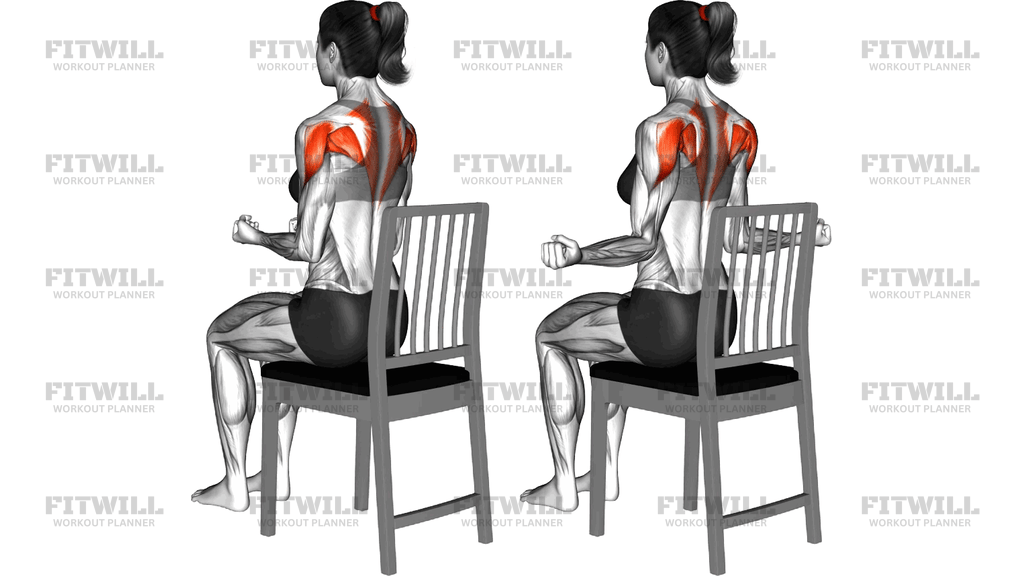
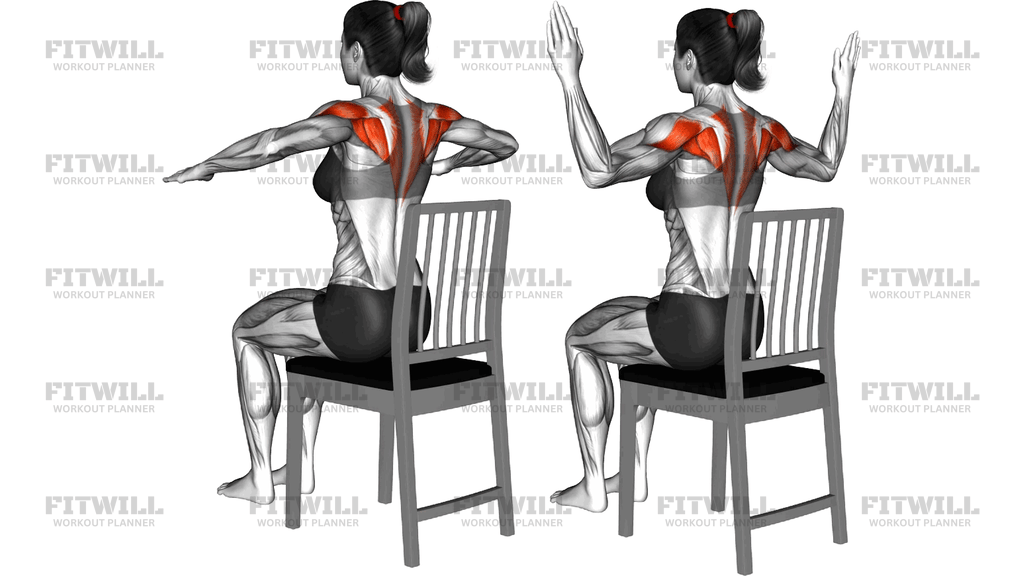
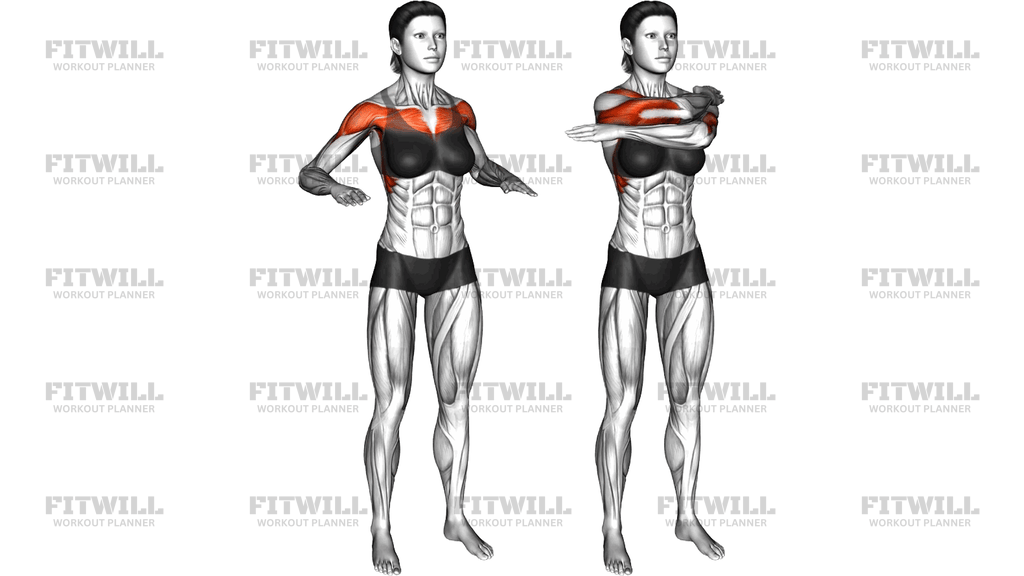
To perform it well, lift both arms forward to roughly shoulder height, then cross one arm over the other so the forearms stack, reaching each hand away as if trying to touch the opposite shoulder blade area. Hold the stacked position briefly to feel a stretch across the back of the shoulders and between the shoulder blades, then uncross the arms and sweep them wide and slightly back to open the chest. Alternate which arm crosses on top each round so both shoulders get equal attention.
Common use cases include pre-workout shoulder preparation before pressing or pulling sessions, recovery work after heavy upper-body training, and short mobility breaks during the workday. It also pairs well with other standing shoulder movements like arm circles and cross-body shoulder stretches, since it covers both the crossed, adducted position and the open, extended position of the shoulder.
From a safety standpoint, the movement is very gentle, but you should still respect your current range of motion. Never force the forearms to stack if the shoulders resist, and ease off if you feel pinching at the front of the shoulder or any sharp sensation. Smooth, unhurried reps with steady breathing give the best result, and a mild stretch feeling across the rear shoulders and upper back is exactly what you are looking for.
[ Workout Log & Planner ]
Put your next workout in Fitwill
Keep your plan and training log ready when you are.


Instructions
- Stand with your feet about hip-width apart, weight balanced across both feet, and your arms relaxed at your sides.
- Tallen your spine, draw the shoulder blades gently down and back, and brace your core lightly so your torso does not lean as the arms move.
- Raise both arms straight out in front of you to about shoulder height with your palms facing down and your elbows soft rather than locked.
- Cross one arm over the other so the forearms stack on top of each other in front of your chest, keeping both arms at shoulder height.
- Reach each hand away from you as if trying to touch the far shoulder, and let your upper back round slightly so you feel a stretch across the rear shoulders and between the shoulder blades.
- Hold the stacked position for 15 to 30 seconds, breathing steadily and keeping the shoulders down away from the ears.
- Uncross the arms smoothly and sweep them out wide to the sides and slightly back, opening the chest while keeping the ribs from flaring.
- Bring the arms back to the forward position and cross again with the opposite arm on top so both sides get the same stretch.
- Exhale as you cross and stack, inhale as you open the arms wide, and keep the breath continuous rather than holding it.
- Complete 2 to 3 rounds per side, then lower the arms slowly to your sides and reset your posture before the next exercise.
Tips & Tricks
- The most common mistake is shrugging the shoulders toward the ears as the arms cross, which tenses the upper traps and removes the stretch from the rear shoulders. Check that there is visible space between your shoulders and jaw throughout the hold.
- Keep the lift at shoulder height. Letting the arms drift higher turns the movement into a neck and trap exercise rather than a shoulder and upper back stretch.
- If stacking the forearms fully feels pinchy or crowded, cross lower on the forearms or simply bring the arms closer together without overlapping. The stretch should come from the reach, not from forcing the crossing position.
- Alternate which arm goes on top every rep. Always crossing with the same arm on top is the easiest habit to fall into and leads to one-sided shoulder flexibility over time.
- Avoid leaning the torso back or arching the lower back as you open the arms wide. Keep the ribs stacked over the pelvis so the chest stretches instead of the spine compensating.
- Move slowly through the crossing and opening phases. Rushing turns it into a ballistic swing, and the rear shoulder responds much better to a steady two- or three-second transition.
- Keep a small bend in the elbows rather than locking them straight. Locked elbows during the cross can create discomfort at the inner elbow and reduce your control of the position.
- If you sit at a desk all day, do a set before pressing exercises and after long sitting blocks. The stacked position directly counters the rounded-shoulder posture that typing encourages.
- A mild pull across the upper back and rear shoulders is the target sensation. Tingling, numbness, or a sharp pinch at the front of the shoulder means back off the range immediately.
Frequently Asked Questions
What muscles does the Standing Stacked Arms Lift target?
It primarily stretches the rear shoulders and the muscles between the shoulder blades, such as the rhomboids and mid-traps, when the forearms are stacked. The opening phase lengthens the chest and front shoulders.
Is the Standing Stacked Arms Lift a strength exercise or a stretch?
It works best as a mobility and stretch movement rather than a strength builder. The resistance is minimal, so treat it as a way to prepare the shoulders for training or to relieve stiffness.
How long should I hold the stacked position?
Hold the crossed position for 15 to 30 seconds per side, or about three to five slow breaths. If you are using it as a quick warm-up, shorter holds of around 10 seconds with more reps work fine.
Why does my shoulder pinch when I cross my arms in the Standing Stacked Arms Lift?
A pinch at the front of the shoulder usually means you are crossing too high or forcing the forearms to overlap beyond your current range. Lower the crossing point, soften the elbows, and reduce how far you reach until the pinch disappears.
Should one arm always go on top, or should I alternate?
Always alternate. Everyone has a dominant crossing pattern, and repeating the same side can create uneven shoulder mobility, so switch which forearm stacks on top each rep.
Can beginners do the Standing Stacked Arms Lift?
Yes, it is one of the most beginner-friendly shoulder movements because it requires no equipment and uses only your natural range of motion. Start with a smaller cross and a shorter hold, and expand the range as the shoulders loosen.
How is the Standing Stacked Arms Lift different from a simple cross-body shoulder stretch?
A cross-body stretch pulls one arm horizontally across the chest with the other hand, while the Standing Stacked Arms Lift stacks both forearms at shoulder height and alternates with an opening phase. That gives you a two-way stretch covering both the rear shoulders and the chest in one flowing movement.
When is the best time to do this movement?
It works well before upper-body workouts as shoulder preparation, after pressing or pulling sessions as a cool-down, and anytime during the workday to counter rounded-shoulder posture from sitting.
Can I do the Standing Stacked Arms Lift with a shoulder injury?
If you have a current or recent shoulder injury, get clearance from a healthcare professional first and work well inside a pain-free range. Never push through pinching, sharp pain, or tingling, and consider skipping the deep cross until the shoulder settles.
Why do I feel this more between my shoulder blades than in my shoulders?
That is normal, because stacking the forearms and reaching forward rounds the upper back slightly and puts the rhomboids and mid-traps on stretch along with the rear deltoids. If you want more shoulder sensation, reach the hands farther apart while keeping the forearms crossed.