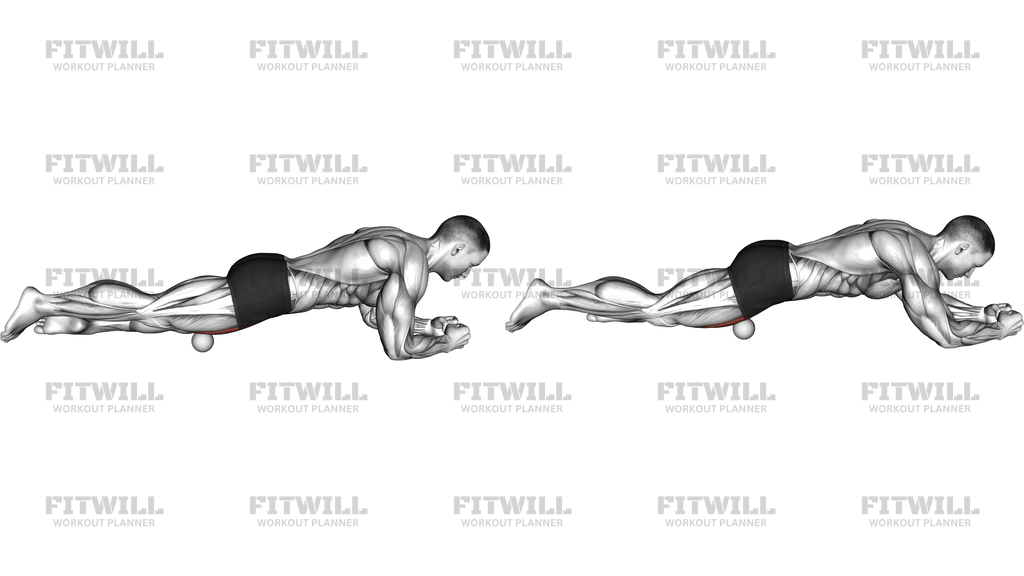
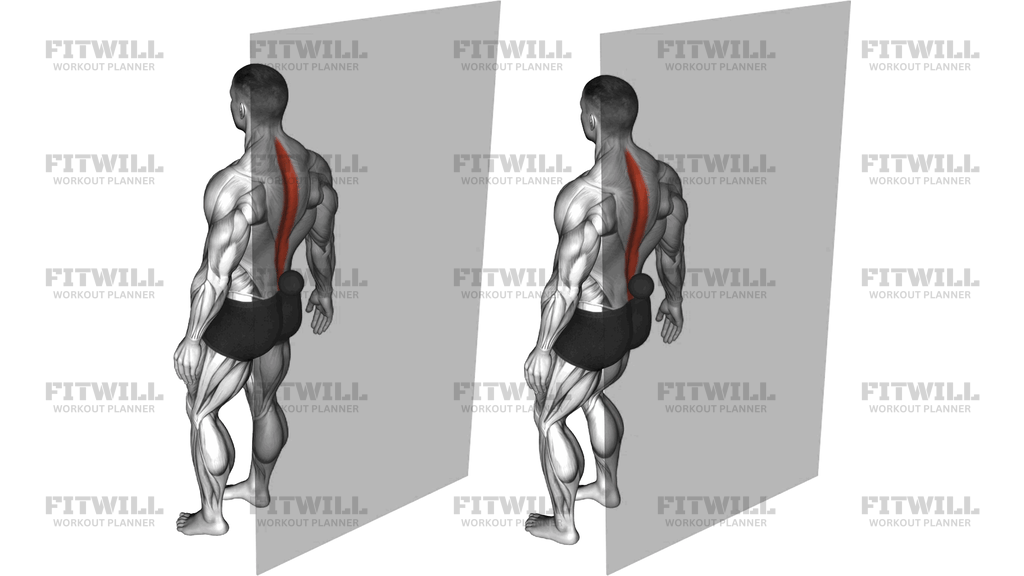
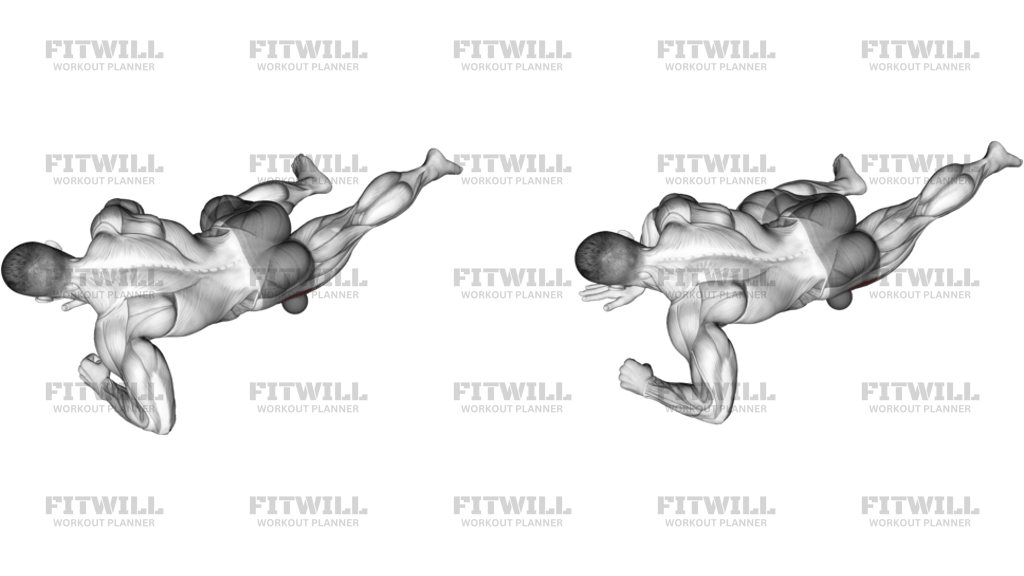
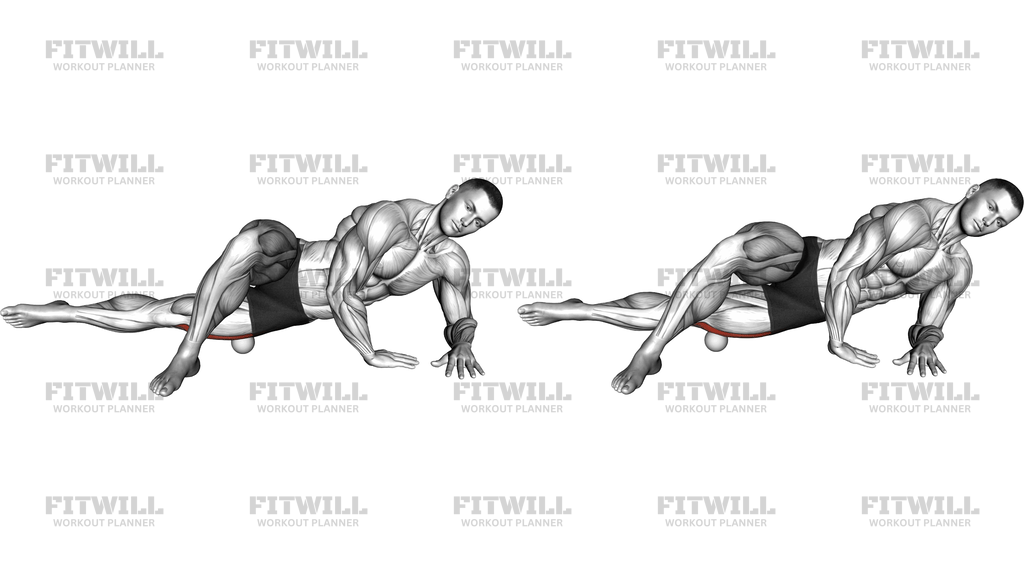
Roll Ball Gluteus Medius
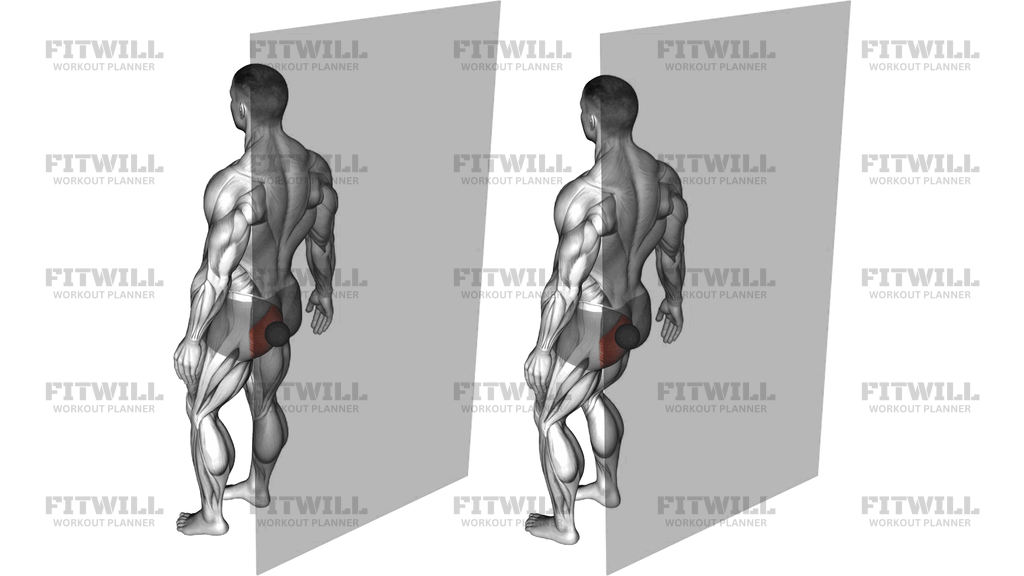
Roll Ball Gluteus Medius is a self-massage and recovery drill that uses a small firm ball trapped between the side of your hip and a wall. You lean your body weight into the ball and roll it slowly over the gluteus medius, the muscle that sits on the upper outer corner of the buttock just behind the hip bone. Unlike foam rolling, which covers a broad area, the ball gives you a small, precise contact point that can dig into the dense tissue right where the gluteus medius lives, and the wall version lets you control pressure simply by bending your knees more or less.
This is a useful drill for anyone who spends long hours sitting, since the gluteus medius often gets stiff and achy when the hips are held in a folded position all day. It is also popular with runners, lifters, and hikers who load this muscle heavily during single-leg work, because tightness on the outer hip can show up as a dull ache above the hip bone or a feeling of tension running down toward the knee. Keep in mind that rolling does not lengthen the muscle in any lasting way; what it does is temporarily reduce sensitivity, improve your awareness of the area, and help the tissue tolerate a gentle stretching routine that follows.
The setup matters more than people expect. The gluteus medius is not the deepest part of the buttock cheek; it sits toward the side and slightly back, on the bony ledge between the top of the hip crest and the greater trochanter. Positioning the ball too far back rolls the gluteus maximus, and too far forward rolls the tensor fasciae latae, which is usually far more tender. Start near the center of that side ledge and search slowly until you find the dense, sometimes tender band of tissue.
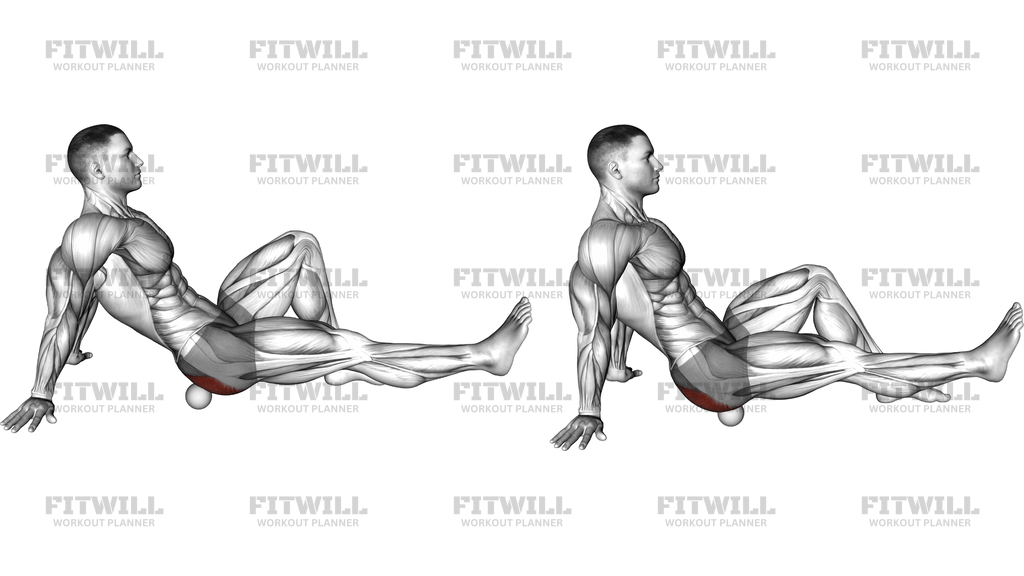
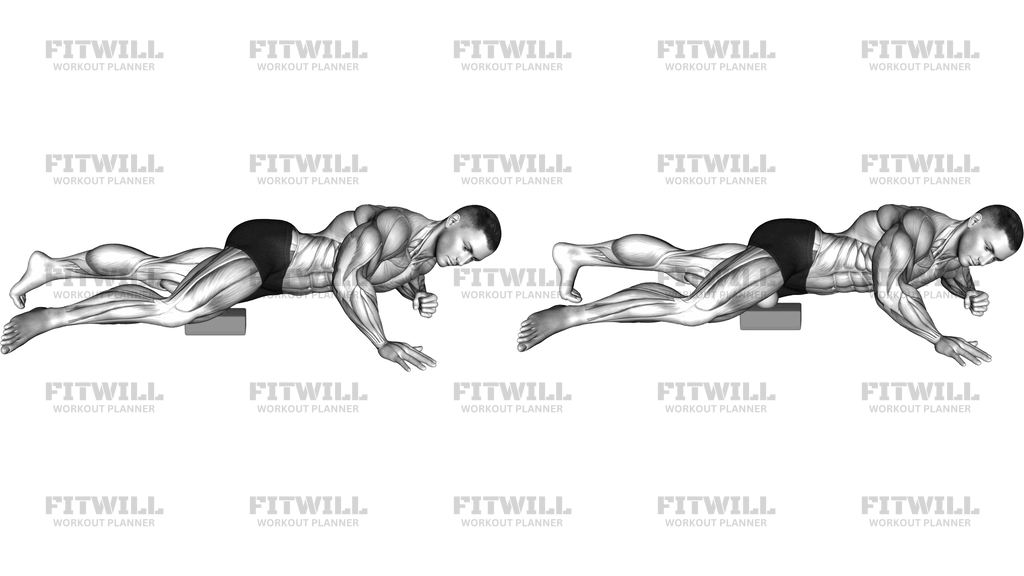
To perform the movement well, keep the pressure moderate and the speed slow. Roll in short strokes and small circles rather than long fast sweeps, and when you find a spot that feels tender but tolerable, pause there for a few slow breaths and let the tissue soften before moving on. You can also gently flex the same-side knee and let the leg hang slightly to add a small stretch while the ball stays pinned on the spot.
Two safety points are worth remembering. First, avoid rolling directly over the bony point on the side of the hip or any area that produces sharp, shooting, or numbing sensations; work around bones and nerves, not on them. Second, keep the session short, roughly thirty to sixty seconds per side, and treat it as preparation or recovery rather than something to grind through with maximum pain.
[ Workout Log & Planner ]
Put your next workout in Fitwill
Keep your plan and training log ready when you are.


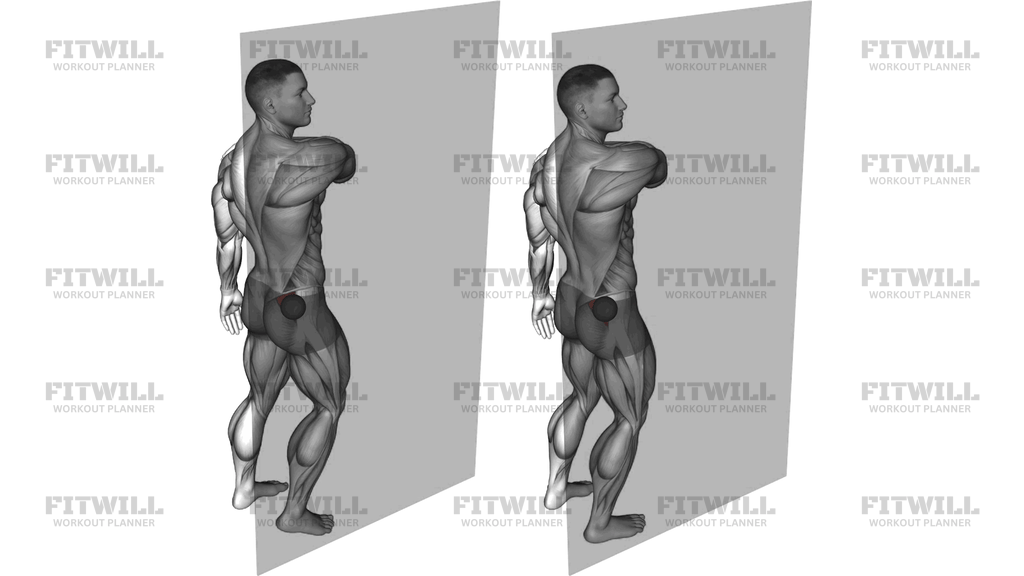
Instructions
- Stand sideways to a clear section of wall with a small firm ball, such as a lacrosse-style ball or massage ball, in the hand closest to the wall.
- Place the ball between the wall and the outer upper part of your buttock, just behind the ridge of your hip bone and above the bony point on the side of the hip.
- Lean your hip into the ball so it is trapped firmly between your body and the wall, and stagger your feet with the working-side leg slightly behind for balance.
- Brace your trunk lightly and keep your ribs stacked over your pelvis so your hip, not your waist, does the leaning.
- Bend and straighten your knees slightly to adjust how much body weight presses into the ball; more bend means more pressure.
- Roll the ball in slow, short vertical strokes and small circles across the gluteus medius area, staying off the bone itself.
- When you find a tender spot, hold the ball still on it for two or three slow breaths, then continue searching.
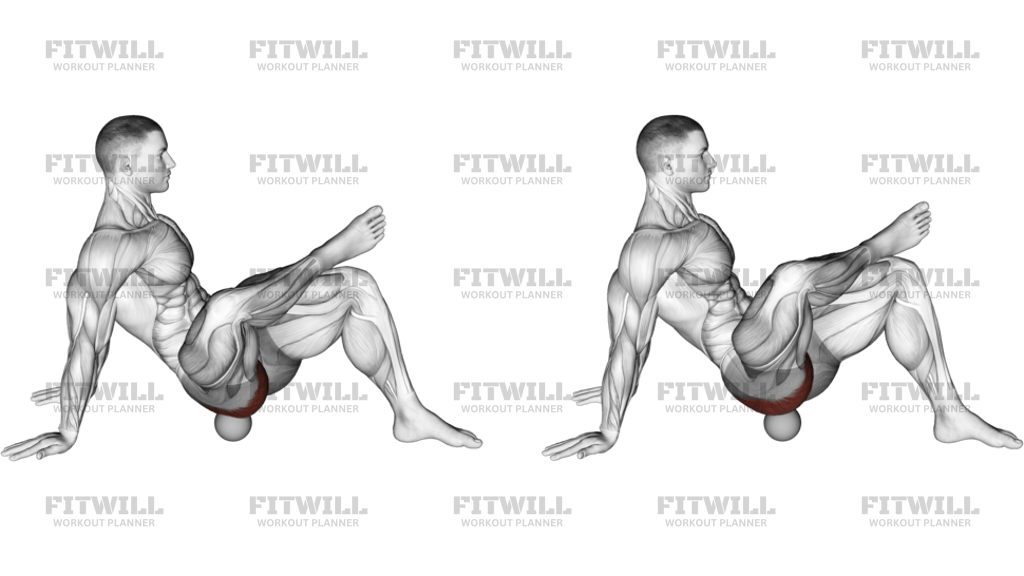
- Optionally cross the working-side ankle over the opposite shin and let the leg relax to add a gentle stretch to the pinned tissue.
- Breathe steadily throughout and keep each side to roughly thirty to sixty seconds.
- Step away from the wall, remove the ball, and repeat on the other side, then finish with a slow standing stretch for the outer hip.
Tips & Tricks
- The most common mistake is placing the ball too far back on the buttock and rolling the gluteus maximus instead; move the contact point forward until it sits on the side ledge above the hip joint.
- If the pressure feels sharp, walk your feet closer to the wall so more of your weight is on your legs; do not try to tough out intense discomfort.
- Avoid letting your torso twist toward the wall, which shifts the load off the outer hip and makes the ball slide; keep your shoulders and hips square to the wall.
- Small slow movements work better than long fast sweeps here, because the gluteus medius is a small muscle and quick rolling mostly skims the surface.
- If the ball slips on your clothing, try a smoother fabric or skin contact on that area, or switch to a ball with slightly more grip.
- A spot that refers a sharp electric feeling down the leg means you are likely pressing near nerve tissue; ease off and move the ball a centimeter or two away.
- Pair the rolling with a standing cross-body hip stretch afterward, since the reduced sensitivity makes the stretch more comfortable.
- Do this before lower-body training to settle a stiff outer hip, or after runs and long sitting sessions as part of recovery; both work, but keep it brief either way.
- If both sides feel equally dense but painless, you are probably pressing too lightly to reach the muscle; bend the knees more and let the hip sink into the ball.
Frequently Asked Questions
Which muscle does Roll Ball Gluteus Medius target?
It targets the gluteus medius on the upper outer part of the buttock, with some overlap onto the tensor fasciae latae near the front of the hip and the upper gluteus maximus behind it.
What kind of ball should I use for Roll Ball Gluteus Medius?
A firm ball about the size of a tennis or lacrosse ball works best. Softer balls flatten under your body weight and lose the precision that makes this drill worthwhile.
Is it okay if the ball feels painful during Roll Ball Gluteus Medius?
Moderate tenderness or a dull ache is normal in a tight area, but sharp, burning, electric, or numbing sensations are not. Reduce the pressure or move the ball away from that spot.
Why use a wall instead of lying on the floor for Roll Ball Gluteus Medius?
The wall version lets you dial pressure up or down instantly by bending your knees, and it is far easier to hold the ball in place on the side of the hip than it is when lying on your side.
How long should I spend on each side of Roll Ball Gluteus Medius?
Thirty to sixty seconds per side is enough for most people. Longer sessions tend to leave the area sore without adding benefit.
Can beginners do Roll Ball Gluteus Medius?
Yes, it is one of the most beginner-friendly recovery drills because the wall supports you and you control all of the pressure with your legs. Start light and get used to finding the right spot first.
When is the best time to do Roll Ball Gluteus Medius?
It works well as a short warm-up before squats, lunges, or running, and equally as an evening reset after long sitting. Avoid doing it right before an activity that demands maximum hip strength, since heavy rolling can briefly dull muscle output.
What should I do if I cannot find the gluteus medius spot during Roll Ball Gluteus Medius?
Place your hand on the bony point at the side of your hip and slide up and back toward the hip crest; the fleshy pocket between those two landmarks is the target. Slow small circles will help you feel the denser tissue.
Can Roll Ball Gluteus Medius replace stretching for tight hips?
No, rolling mainly reduces sensitivity temporarily. Use it to make the area more comfortable, then follow with active stretches and strengthening work like side planks or single-leg exercises for lasting change.