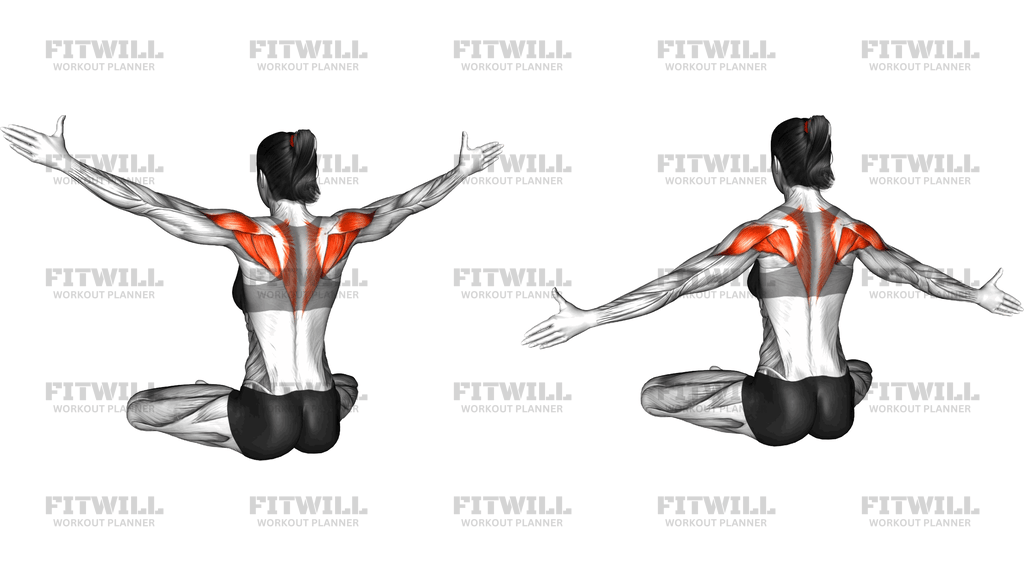
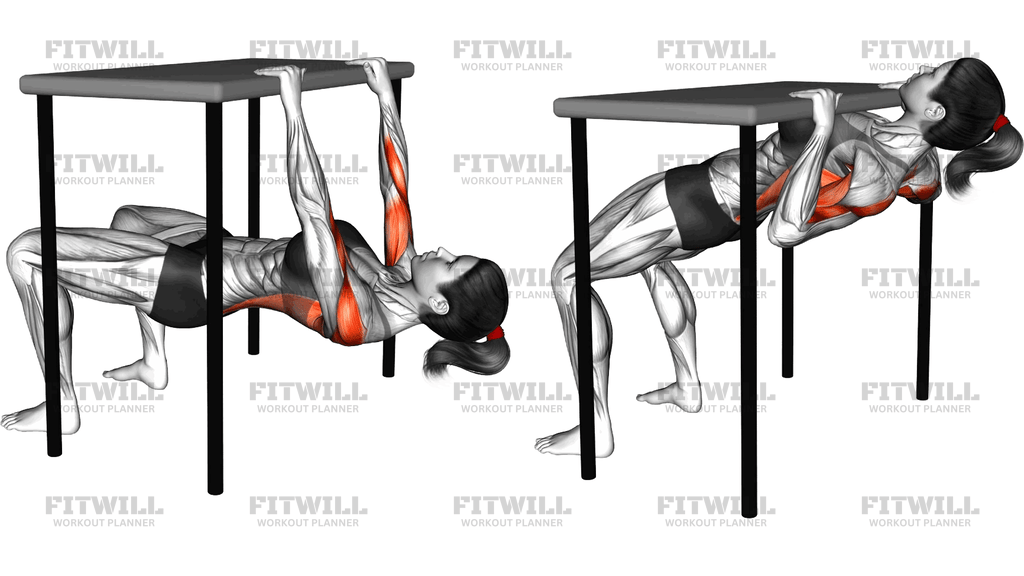
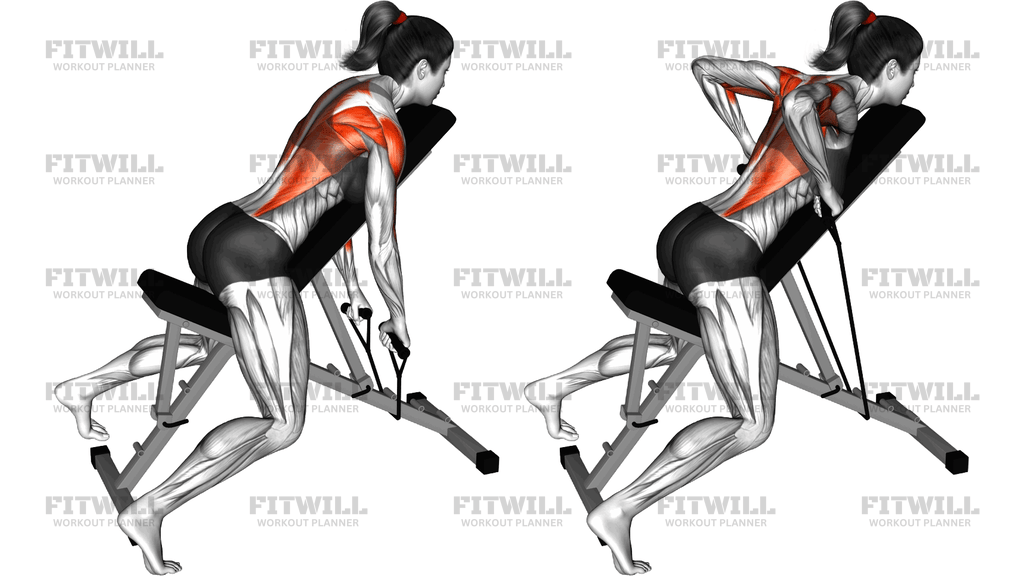
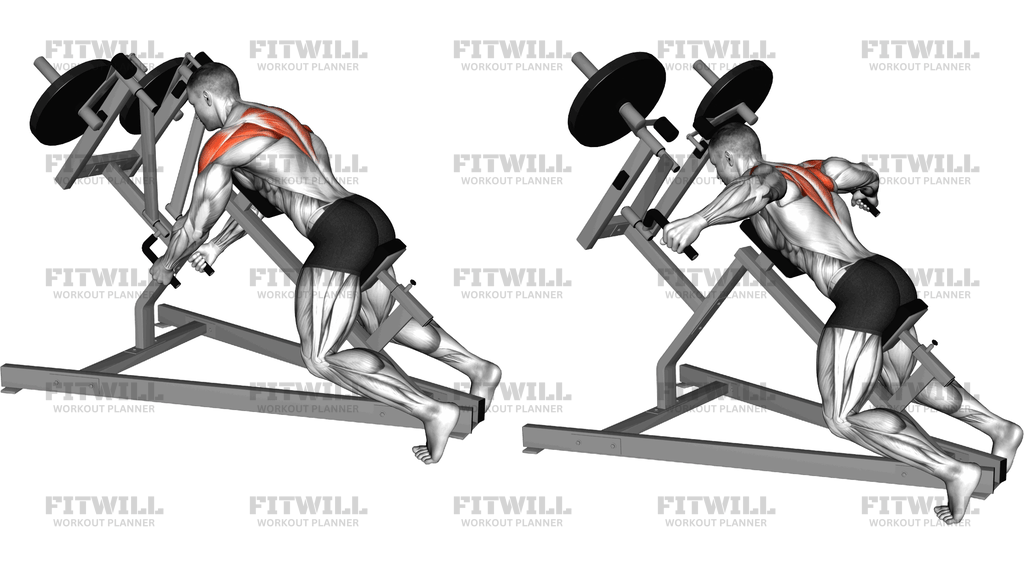
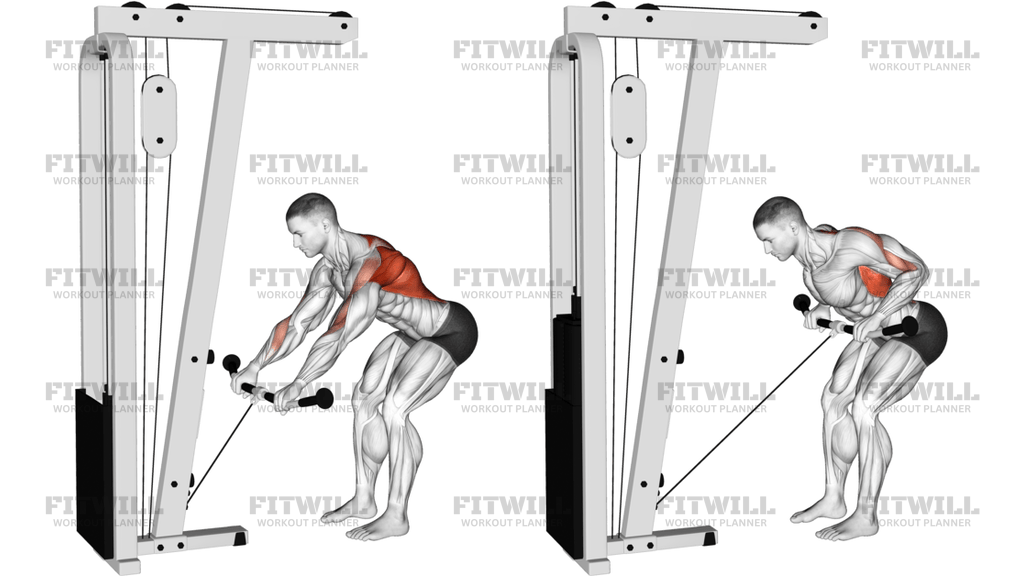
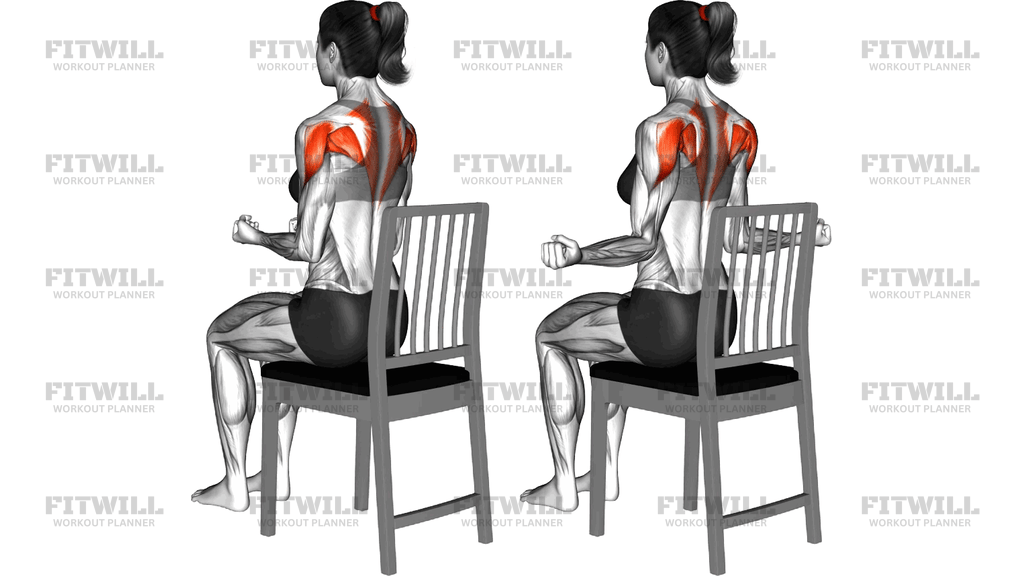
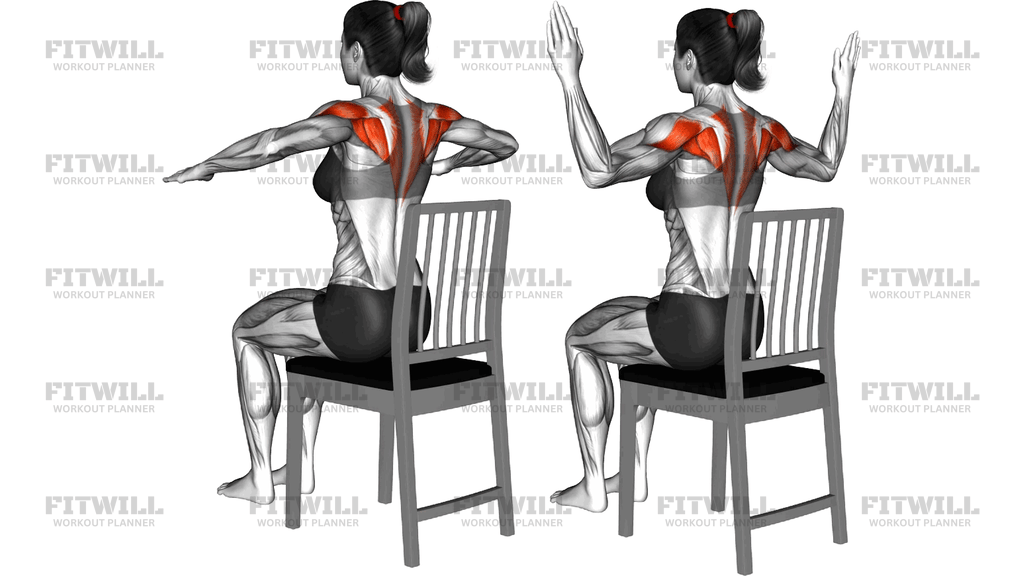
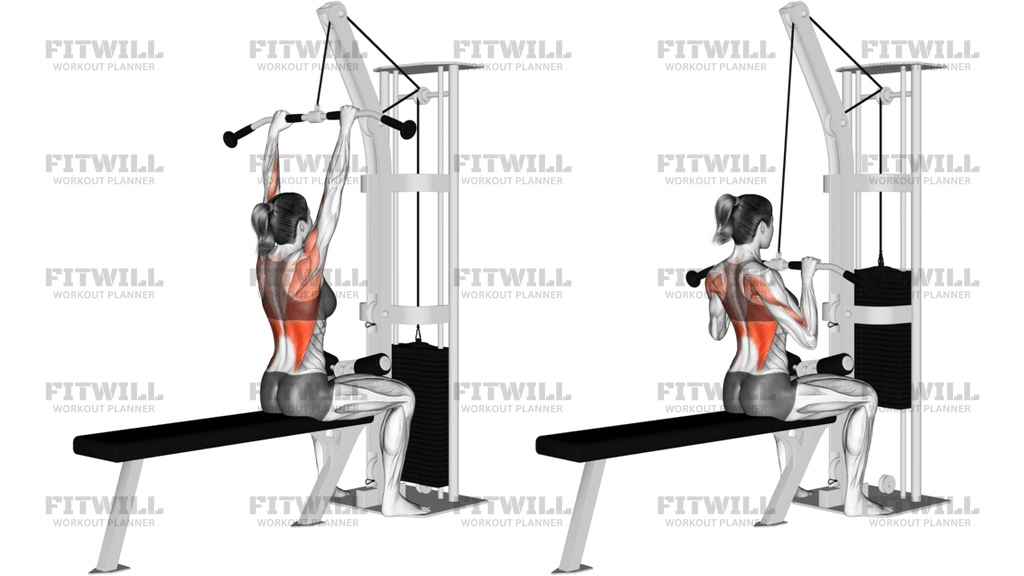
Standing Balance Single Leg Lifts Reverse Fly
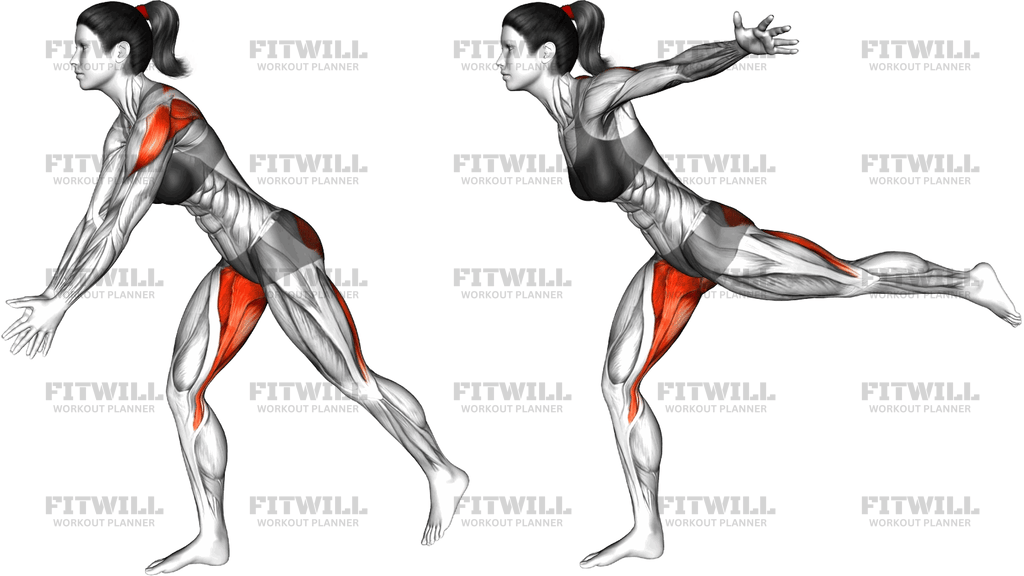
The Standing Balance Single Leg Lifts Reverse Fly is a bodyweight movement that combines a single-leg stance, a hip hinge, a rear-delt fly pattern, and a back leg lift into one flowing repetition. From a forward-folded position balanced on one leg, you sweep both arms out and back while extending the free leg behind you, then return under control to the folded starting position. It looks simple, but it demands coordinated effort from the shoulders, upper back, hips, and the small stabilizing muscles of the standing leg all at once.
This exercise earns its place in a routine because it trains two things that usually get practiced separately: upper-back and rear-shoulder strength, and single-leg balance. Most people's rear shoulders and the muscles between the shoulder blades are underworked compared with the front of the body, and this pattern directly targets that gap. At the same time, standing on one leg while the arms and free leg move forces the gluteus medius and the ankle stabilizers to work overtime to keep you level.
Because there is no equipment involved, setup matters more than usual. Your balance, hinge angle, and arm path are the entire load. A soft bend in the standing knee, a long neutral spine, and a deliberate arm sweep are what separate a productive rep from a wobbly one. Rushing the movement or letting the torso rise as the arms lift are the two most common ways people turn this into a random flail instead of a targeted exercise.
To perform it well, shift your weight onto one foot, hinge forward from the hips until your torso is angled toward the floor, and let your arms hang toward the ground. From there, open both arms out to the sides and back, as if pressing the air behind you, while the opposite leg lifts and lengthens behind your hip. Pause briefly at the top, feeling the rear shoulders and the glute of the lifted leg doing the work, then reverse the whole pattern slowly to the start.
This movement suits anyone working out at home without equipment, people building the single-leg stability needed for running and hiking, and lifters who want extra rear-delt and upper-back volume without hardware. It also works well as a warm-up activation drill before pressing or pulling sessions. Because it is low load but high coordination, treat it as a precision exercise: fewer, cleaner repetitions will do far more than fast, uncontrolled ones.
[ Workout Log & Planner ]
Put your next workout in Fitwill
Keep your plan and training log ready when you are.


Instructions
- Stand with your feet together and your arms relaxed at your sides, then shift your weight fully onto your right foot.
- Hinge forward from the hips, keeping your back flat and your standing knee softly bent, until your torso is angled down toward the floor and your arms hang beneath your shoulders.
- Brace your core lightly and find your balance point before moving; your gaze can rest on the floor a foot or two ahead of your standing foot.
- Open both arms out to the sides, sweeping them up and back with a slight bend in the elbows, as if squeezing the air behind you.
- As the arms sweep back, extend your left leg straight behind you so it forms one long line from your head through your lifted foot.
- Pause for a beat at the top, with your arms raised behind you and your rear leg lifted, feeling the rear shoulders and the glute of the lifted leg working.
- Slowly lower your arms back down beneath your shoulders and draw the lifted leg back in, returning to the hinged single-leg position without letting your torso rise.
- Breathe out as you sweep the arms and leg back, and breathe in as you return to the starting position.
- Complete your repetitions on one side, then set the free foot down, reset your balance, and repeat on the other leg.
- Keep the movement smooth throughout; if you lose your balance, step the free foot down briefly, re-set your hinge, and continue.
Tips & Tricks
- If you wobble badly on the standing leg, your base is too narrow or your standing knee is locked straight. Re-bend the knee slightly and press your big toe into the floor to widen your stability.
- The most common fault is letting the chest rise as the arms sweep back, which turns the reverse fly into a torso extension. Pick a spot on the floor and keep your hinge angle fixed for every rep.
- Stop the arm sweep at roughly shoulder height behind you. Lifting the arms higher than that usually rolls the shoulders forward and shifts work away from the rear delts.
- Think about leading the leg lift from the glute, not from the lower back. If your lower back arches and your ribs flare, you are compensating for a tired glute.
- Keep your hips square to the floor when the leg lifts. An open, rotated hip shortens the movement and hides the balance demand.
- If balance is the limiting factor, hover your fingertips against a wall or the back of a chair with one hand while the arms still perform the fly pattern.
- Slow the return phase down deliberately. The two seconds lowering the arms and leg back in build as much control as the lift itself.
- Do this drill early in a session or on fresh legs. Attempting it fatigued usually shows up as a collapsing ankle rather than tired shoulders.
- Work barefoot or in flat shoes so your toes can grip and your ankle stabilizers get real feedback from the floor.
Frequently Asked Questions
What muscles does the Standing Balance Single Leg Lifts Reverse Fly work?
The main movers are the rear shoulders and the muscles of the upper back that pull the shoulder blades together. The glutes, hamstrings, core, and the stabilizers of the standing leg and ankle work hard to hold your position throughout.
Is the Standing Balance Single Leg Lifts Reverse Fly suitable for beginners?
Yes, because it uses only bodyweight and can be scaled easily. Beginners can shorten the range of the arm sweep, lift the leg less high, or rest a fingertip on a wall for balance while they learn the pattern.
How far should I hinge forward during the Standing Balance Single Leg Lifts Reverse Fly?
Hinge until your torso is angled noticeably toward the floor, roughly 45 degrees or a bit lower, while keeping your back flat. The exact angle matters less than holding it still; the hinge should not change as the arms and leg move.
Why do I keep losing my balance when my leg lifts behind me?
The leg lift shifts your center of mass backward, so you have to counterbalance by keeping a slight forward lean and pressing through the mid-foot and toes of the standing leg. Slow the tempo down and lift the leg only as high as you can while keeping your hips square.
Should my arms stay straight during the reverse fly portion?
Keep a small, soft bend in the elbows rather than locking them straight. This protects the elbow joint and lets the rear shoulders, not momentum, drive the sweep.
Can I substitute the Standing Balance Single Leg Lifts Reverse Fly with a regular bent-over reverse fly?
A bent-over reverse fly with or without light weights trains the same rear-shoulder pattern but removes the balance and hip component. Use it if you want to load the upper back more directly, but you will lose the single-leg stability work.
How many repetitions should I do per side?
Somewhere between 8 and 12 controlled reps per side is a practical range, since precision breaks down quickly in balance work. Once your form gets sloppy or your standing foot starts wandering, end the set.
Should I feel this in my lower back?
You may feel mild engagement from the muscles supporting your spine, which is normal in a hinge position. Sharp or dominant lower-back sensation usually means the leg is being lifted by arching the spine instead of extending at the hip, so lift the leg lower and squeeze the glute instead.
Is it safe to do this exercise every day?
As a low-load bodyweight drill, it is generally fine to perform frequently, and many people use it as a daily balance and posture practice. If your rear shoulders or hips feel sore from previous sessions, give them a day to recover before repeating.