Gate Rock
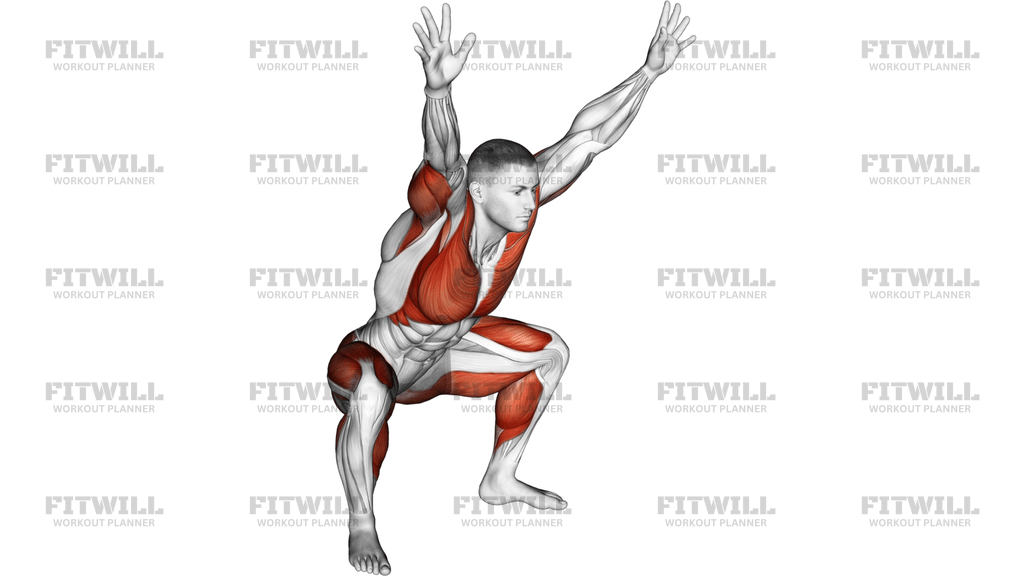
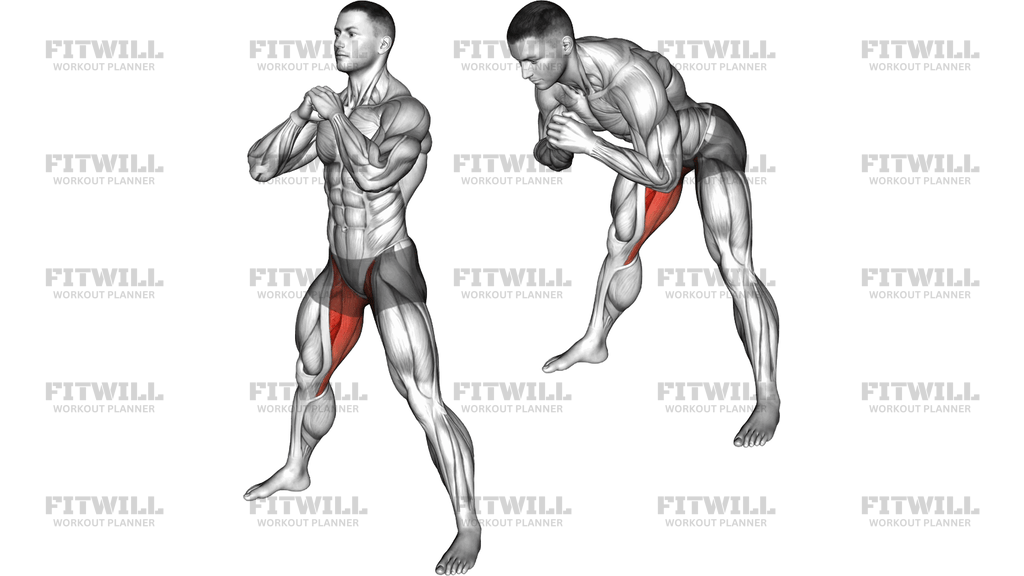
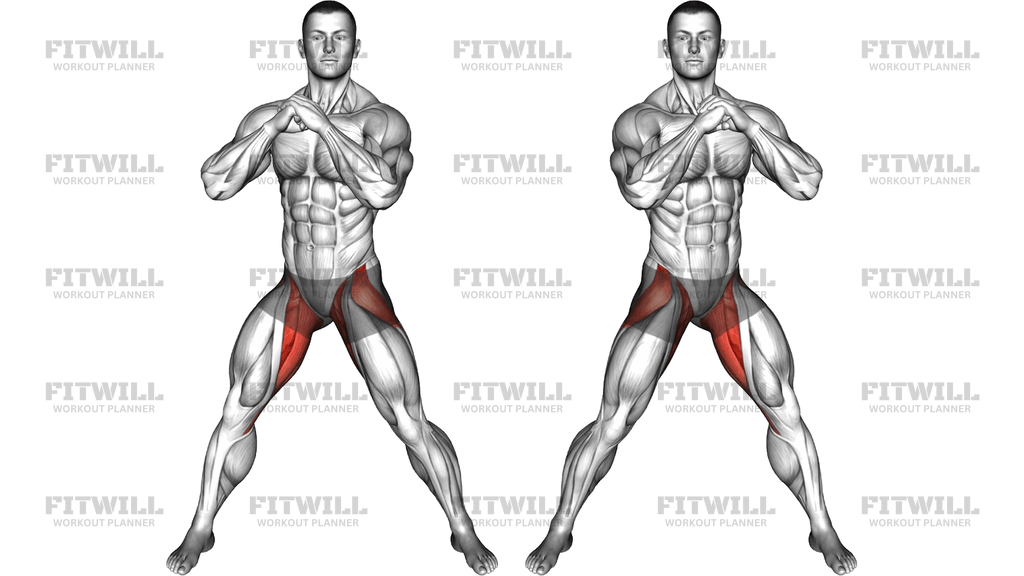
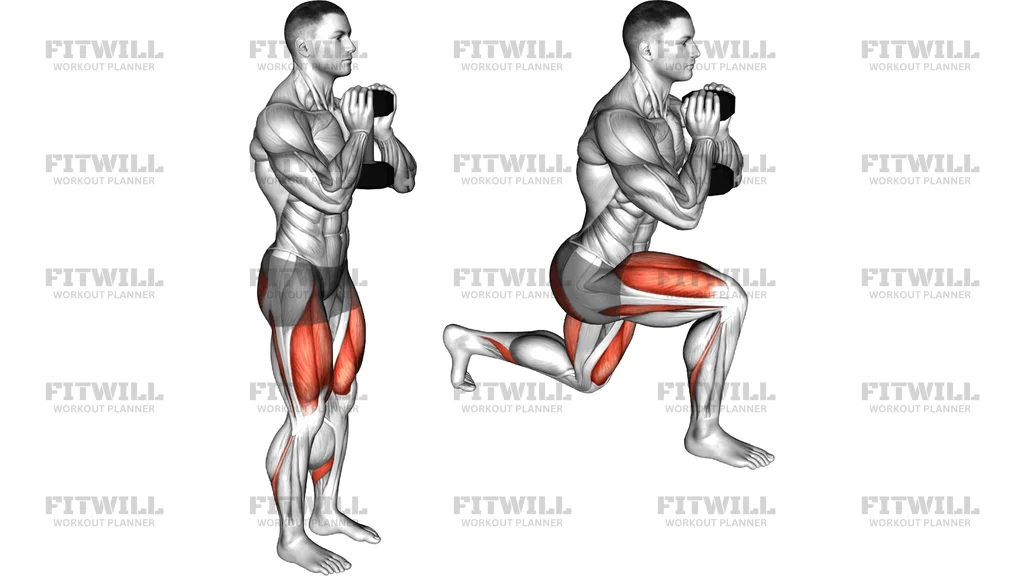
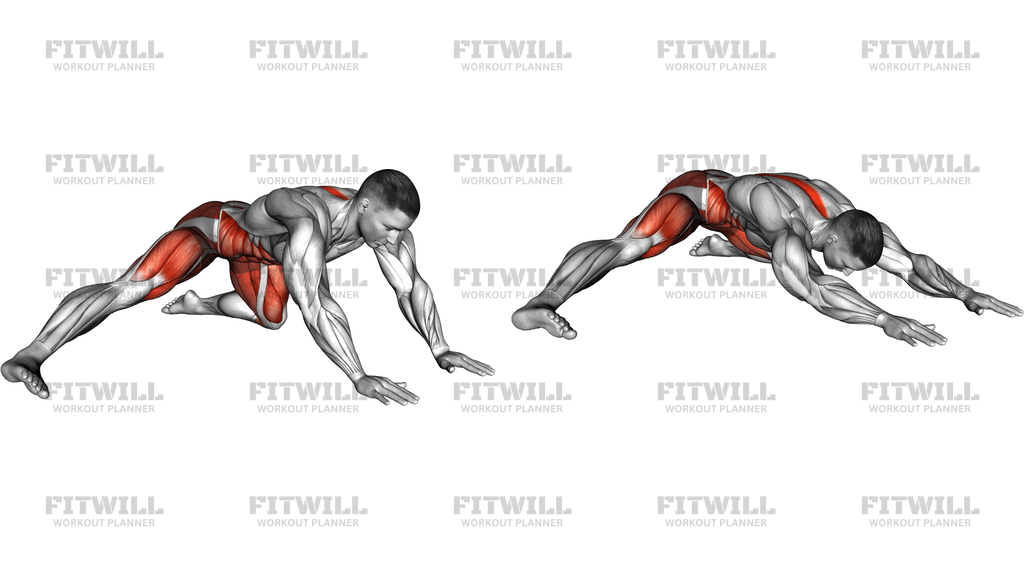
Gate Rock is a bodyweight mobility drill that takes you from a deep, wide-legged crouch into a long, flat stretch along the floor and back again. The two positions look like an opening and closing gate: you begin compressed with your hips low and a hand on the ground, then rock your weight forward and down until your whole body lengthens out with your arms reaching overhead, before pulling yourself back to the crouch. The rhythm of compressing and lengthening is what gives the movement its name.
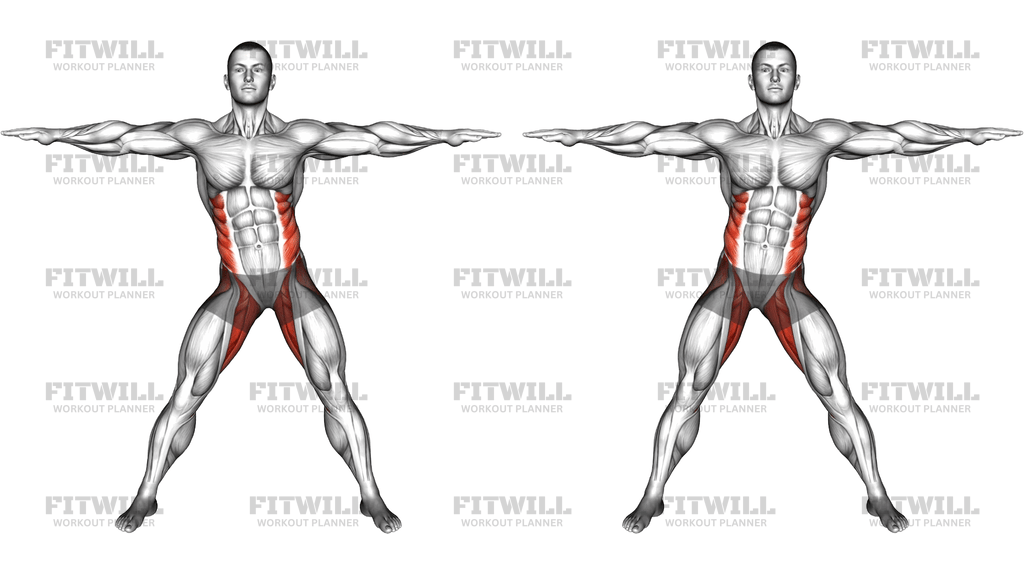
The main work happens in the inner thighs and hips. Rocking out to the extended position puts the adductors on a long stretch while the front of the hips and thighs open up, and rocking back in shortens them again under control. Your trunk works the whole time to hold you close to the floor, and the abdominal wall gets a genuine lengthening in the extended position, which is why the drill often feels like a full-front-of-body release.
This is a useful movement for anyone whose hips feel glued shut from sitting, and for lifters who want better range before squatting, sumo deadlifting, or any straddle-based work. It is also popular in warm-ups for martial arts, grappling, and gymnastics-style training, where open hips and a long trunk are prerequisites rather than extras. Because it uses only your body and a patch of floor, it slots easily into a warm-up, a cool-down, or a short desk-break routine.
Setup matters more than speed here. Your hands and feet should be placed wide enough that you can rock forward without your hips jamming or your lower back dipping hard into the floor. If your stance is too narrow, you will dump stress into the knees and lumbar spine instead of the hips. Give yourself more width than feels natural at first, and let the floor guide how far you travel.
To execute it well, move slowly and let your weight shift, not your momentum, do the traveling. As you rock forward, slide your chest down toward the floor and let your arms extend in front of you until your body is as long and flat as your hips allow. Pause briefly at the long end, then draw yourself back to the crouch by pulling through the floor with your hands and driving your hips up and back. Two to three controlled passes per side or per direction is usually plenty, especially early on.
Keep the movement pain-free by staying honest about your range. A strong pull in the groin or a pinching sensation at the front of the hip means you have gone further than your hips are ready for today. Shorten the travel, keep more weight in your hands, and build up over weeks rather than forcing the full extension on day one.
Fitwill
Log Workouts, Track Progress & Build Strength.
Achieve more with Fitwill: explore over 9600 exercises with images and videos, access built-in and custom workouts, perfect for both gym and home sessions, and see real results.
Start your journey. Download today!




Instructions
- Find clear floor space and start in a deep crouch: feet wider than shoulder-width and turned slightly out, knees bent fully, hips low, and one or both hands planted on the floor in front of you for support.
- Set your hands so they are roughly under or just ahead of your shoulders, and let your heels lift if that is where your ankle mobility naturally puts you.
- Brace your trunk lightly and keep your chest proud so your weight sits through your hands and the balls of your feet rather than collapsing onto your lower back.
- Shift your weight forward over your hands and begin rocking your hips down and forward, letting your body start to lengthen toward the floor.
- Continue the rock until your torso is close to or on the floor and both arms reach long overhead, with your legs extended behind you and your body as flat as your hips allow.
- Hold the extended position for a brief pause, breathing steadily, and feel the length through the inner thighs, front of the hips, and abdominal wall.
- Reverse the motion by pressing your hands into the floor and drawing your hips up and back under you, pulling your knees back toward your chest to return to the starting crouch.
- Exhale as you rock out into the stretch and inhale as you draw back into the crouch, keeping each pass smooth rather than rushed.
- Repeat for the desired number of slow repetitions, resting briefly between passes if the hips feel tight or the position starts to break down.
- Finish the set by standing up slowly, since coming out of a deep crouch quickly can make you light-headed.
Tips & Tricks
- If your groin complains during the rock-out, narrow your foot width slightly or keep more weight on your hands; forcing width before the adductors are ready is the most common mistake in this drill.
- Keep the tops of your feet and shins relaxed as you extend, since tensing the thighs fights the very stretch the movement is trying to create.
- Do not let your lower back slam flat onto the floor at the long end of the rock; control the last few inches with your arms and trunk so the lumbar spine stays protected.
- If pinching occurs at the front of the hip as you fold into the crouch, turn your toes out a little more and drive your knees toward your armpits rather than straight down.
- Warm the hips first with a few minutes of easy walking or leg swings; Gate Rock feels dramatically better in warm tissue than cold.
- Pause for two to three full breaths at the extended position instead of bouncing; the added time lets the inner thighs release without forcing.
- On hard flooring, place a mat under your knees and hips, since the crouch position puts direct pressure on the kneecaps.
- Keep your neck neutral in the long position by looking at the floor rather than craning your head up to look forward.
- Reduce the range rather than speeding up when you tire; slow, short passes build hip range far better than fast, sloppy ones.
- Pair Gate Rock with a kneeling or standing hip opener in your warm-up so the adductors and hip flexors are addressed from two angles.
Frequently Asked Questions
What muscles does Gate Rock work?
It primarily stretches and loads the adductors along the inner thigh, along with the hip flexors and quadriceps at the front of the hip. The abdominal wall and obliques work to control the trunk as you rock between the crouched and extended positions.
Is Gate Rock a stretch or a strength exercise?
It sits mostly in the mobility category, using active rocking to build usable range in the hips. Your trunk and thighs still work isometrically to control the movement, so it delivers a small strength element as well.
Can beginners do Gate Rock safely?
Yes, as long as they shorten the range. Beginners should keep their weight on their hands, travel only partway to the floor, and skip the full extension until the inner thighs allow it without a strong pulling sensation.
Why do my knees hurt in the bottom crouch of Gate Rock?
That usually means your stance is too narrow or your hips are so tight that the knees are collapsing inward to compensate. Widen your feet, turn your toes out slightly, and put a mat under the knees to reduce direct pressure.
How far forward should I rock in Gate Rock?
Rock only until your body lengthens toward the floor without a sharp pull in the groin or a slam of the lower back onto the ground. The full arms-overhead extension is a destination, not a requirement for the drill to work.
When should I use Gate Rock in a workout?
It works well as a warm-up before squats, sumo deadlifts, or any straddle and kicking activity, and equally well as a cool-down to lengthen the hips after training. Avoid doing it as a max-intensity stretch immediately before heavy lifting.
What can I substitute if I cannot get down to the floor for Gate Rock?
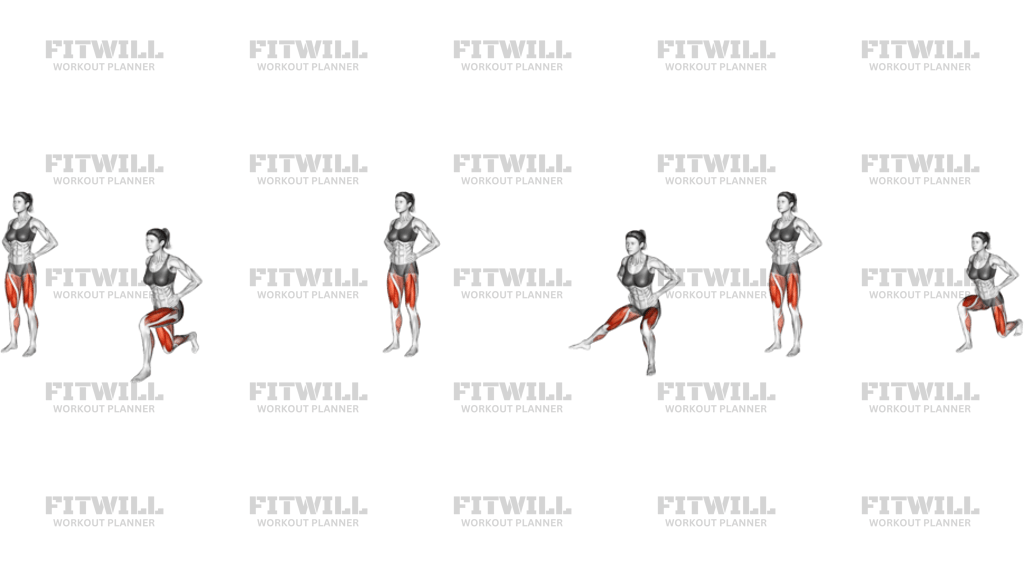
Use a standing wide-stance side lunge or a supported deep squat holding a sturdy object, both of which train a similar inner-thigh and hip opening without requiring floor work. Return to Gate Rock as your mobility improves.
How many repetitions of Gate Rock should I do?
Two to four slow, controlled passes are enough for most people, holding the extended end briefly each time. More volume rarely helps if each pass is rushed or forced past a comfortable range.
Is it normal to feel Gate Rock in my lower back?
A mild lengthening sensation is fine, but pressure or discomfort in the lumbar spine means you are collapsing at the long end of the rock. Keep more weight in your hands and shorten the travel so the hips, not the back, take the stretch.