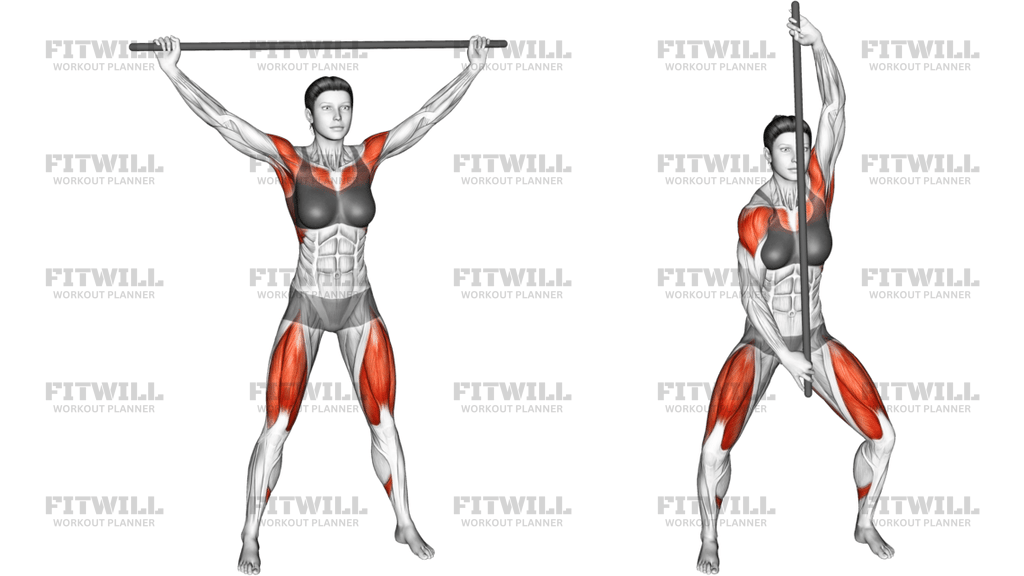
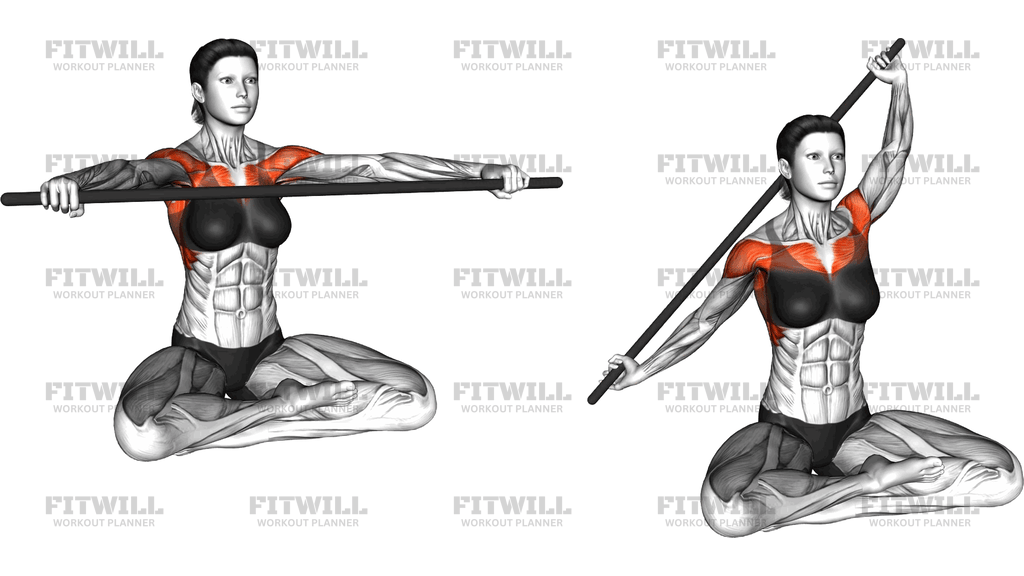
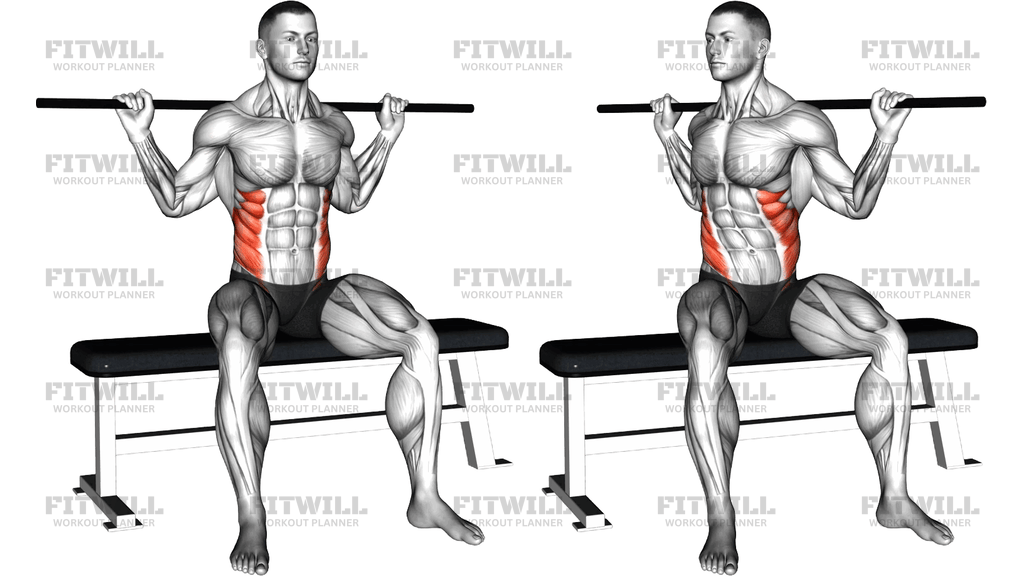
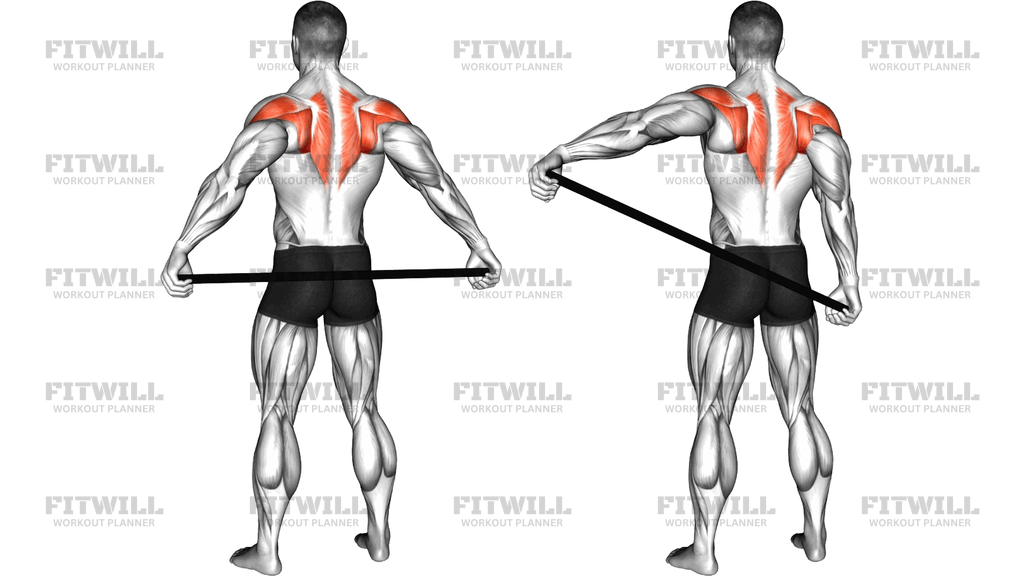
Stick Standing Shoulder Mobilization In Extension
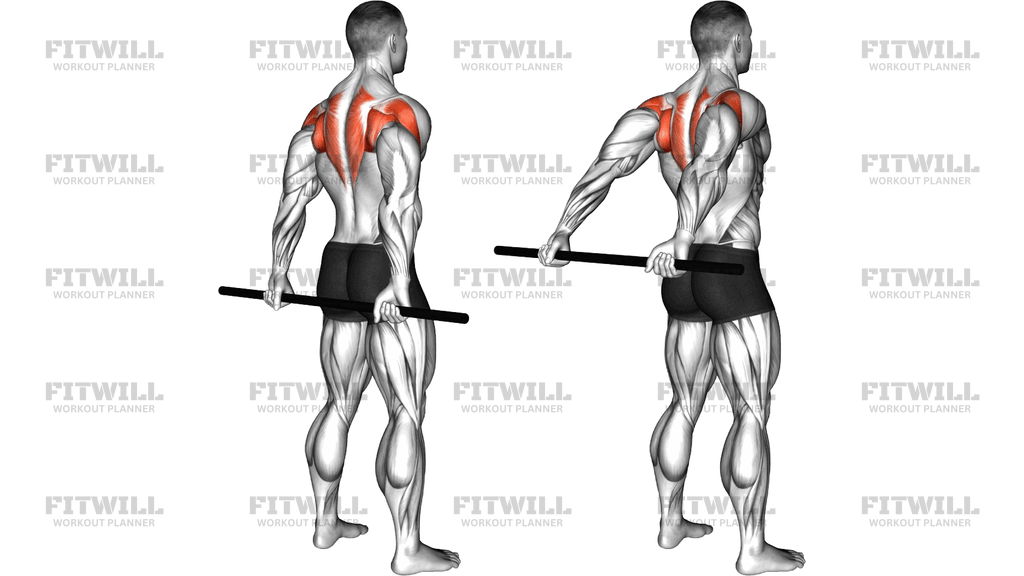
Stick Standing Shoulder Mobilization In Extension is a standing mobility drill that takes the shoulders into extension — the arm position behind the body that most people lose through desk work, pressing-heavy training, or long periods of driving. You hold a stick horizontally behind your hips with an overhand grip on both ends, then lift the stick away from your back and return it under control. The stick acts as a fixed spacer between the hands, which forces both shoulders to work through the same range at the same time and gives you immediate, honest feedback on any left-right difference.
This drill is especially useful for anyone whose shoulders sit forward: office workers, cyclists, swimmers, and lifters who bench or press a lot but rarely train the back of the shoulder. It also suits people rehabbing general shoulder stiffness or warming up before upper-body sessions, because the movement loads the shoulder into extension gently, without weight and without momentum. The rotator cuff and rear shoulder muscles work to move and control the arm, the upper back muscles stabilize the shoulder blades, and the front of the shoulder and chest get a mild stretch as the arm travels behind the body.
The setup matters more than it looks. Grip width on the stick determines how much range you are asking for: a wider grip keeps the wrists and shoulders in a friendlier position, while narrowing the hands over time raises the demand. Stand tall with the stick resting against the back of your hips, elbows soft but arms essentially straight, and keep your ribs stacked over your pelvis. If you lean the torso forward or shrug up toward the ears during the lift, you are borrowing range from the spine and traps instead of earning it at the shoulder.
Execution should feel like drawing the stick back and up behind you along a smooth arc, keeping the wrists neutral and the stick level. The end position is the point where the stick has moved clear of your back and the shoulders feel a firm but comfortable stretch across the front. Pause there for a breath, then lower the stick back to the hips at the same controlled speed. Most people do best with slow, repeated reps of eight to twelve per set, treating each rep as a small exploration of range rather than a maximal reach.
Common use cases include pre-training shoulder preparation, structured mobility work between strength sets, and daily desk-break routines. Because the movement is unloaded and self-limiting — the stick cannot go further than your shoulders allow — it is low-risk when performed with attention. Stop short of any pinching at the front of the shoulder, keep the neck relaxed, and let your grip width, not your ego, decide the depth.
[ Workout Log & Planner ]
Put your next workout in Fitwill
Keep your plan and training log ready when you are.


Instructions
- Stand with your feet about hip-width apart, knees soft, and hold a stick horizontally behind your hips with an overhand grip on both ends, hands roughly shoulder-width to start.
- Let the stick rest lightly against the back of your glutes and lower hips, arms straight but elbows not locked, and look straight ahead.
- Stack your ribs over your pelvis and brace the trunk lightly so your lower back stays neutral before the movement begins.
- Keeping the arms long and the wrists neutral, lift the stick back and away from your body in a smooth arc, as if drawing a wide circle behind you.
- Keep the stick level throughout — both hands should travel the same distance, and neither shoulder should shrug toward the ear.
- Reach the end position where the stick is clear of your back and you feel a firm stretch across the front of the shoulders; hold it for one calm breath.
- Lower the stick back to the back of your hips at the same controlled speed, resisting the pull of gravity instead of dropping the arms.
- Exhale as you lift the stick away, inhale as you return it, keeping the breath steady rather than holding it.
- Complete 8-12 controlled reps, then rest briefly and adjust your grip slightly wider or narrower based on how the shoulders felt.
- Reset your stance and rib position between sets so each set starts from the same tall posture.
Tips & Tricks
- Start with a wide grip on the stick and narrow it gradually over weeks — a grip that is too narrow is the most common reason people lean forward or bend the elbows to fake extra range.
- If the stick tilts, one shoulder is stiffer than the other; widen the grip slightly so both sides can move together instead of letting the strong side drag the stick.
- Watch for the ribs flaring and the chest lifting as the arms go back — this steals range from the spine. Brace lightly and keep the lift happening at the shoulders.
- Shrugging the traps during the lift is a sign the upper traps are compensating for the rotator cuff; consciously press the shoulders down away from the ears as you raise the stick.
- Never force through a pinch at the front of the shoulder — back the grip width off until the end position feels like a stretch, not a compression.
- Keep the elbows straight but not rigid; bending the elbows as the stick lifts is a quiet way of shortening the movement and losing the extension you are trying to train.
- Use this drill before pressing or pulling sessions as a warm-up, or between sets of bench work to keep the front of the shoulder from adapting short.
- Move slowly enough that you could stop the stick at any point in the arc — if momentum is carrying it back, the drill has become a swing and you are no longer mobilizing the joint.
- A broom handle, PVC pipe, or dowel all work; just make sure it is light enough to control one-handed if you ever need to release it.
Frequently Asked Questions
What does Stick Standing Shoulder Mobilization In Extension actually train?
It trains shoulder extension range of motion — the ability to bring straight arms behind the body. The rotator cuff and rear shoulder muscles control the lift while the upper back stabilizes the shoulder blades, and the front of the shoulder and chest receive a stretch.
Why use a stick instead of just swinging the arms behind the back?
The stick fixes the distance between your hands, so both shoulders must move through the same range together and any side-to-side difference becomes obvious. It also gives the wrists a neutral position and makes the movement slow and measurable.
How wide should my grip be on the stick?
Start with hands about shoulder-width or slightly wider and only narrow the grip as your range improves comfortably. A wider grip is easier on the shoulders; narrow only when the current width feels smooth and pinch-free.
Is this exercise suitable for beginners?
Yes, it is unloaded and self-limiting, so beginners can learn it safely. The main coaching points are standing tall, keeping the stick level, and starting wide with the grip rather than chasing maximum range on day one.
Why do my shoulders shrug up when I lift the stick behind me?
The upper traps are compensating because the shoulder itself lacks extension range. Actively keep the shoulders drawn down away from the ears and widen your grip until the lift can happen without the shrug.
I feel a pinching sensation at the front of my shoulder — what should I change?
Stop at the point just before the pinch, widen your grip, and reduce how far you lift the stick. If the pinching persists even at an easy range, skip the drill and have a qualified professional assess the shoulder.
Can I use Stick Standing Shoulder Mobilization In Extension as a warm-up?
Absolutely — it works well before bench pressing, overhead pressing, or any pulling session. Use one or two sets of 8-12 slow reps with a comfortable grip width to prepare the shoulders for loading.
What can I substitute if I do not have a stick or dowel?
A broom handle, PVC pipe, or even a towel held taut between both hands behind the hips can work. The towel version reduces the fixed spacing slightly, so focus extra attention on keeping both arms even.
How often should I do this drill?
Daily frequency works well for mobility drills like this, especially if you sit for long hours. Short, frequent sets of 8-12 controlled reps generally beat occasional long sessions.
Should my elbows bend during the lift?
No — keep the arms essentially straight with only a soft elbow. Bending the elbows shortens the lever, reduces the stretch on the front of the shoulder, and lets you disguise limited shoulder extension.