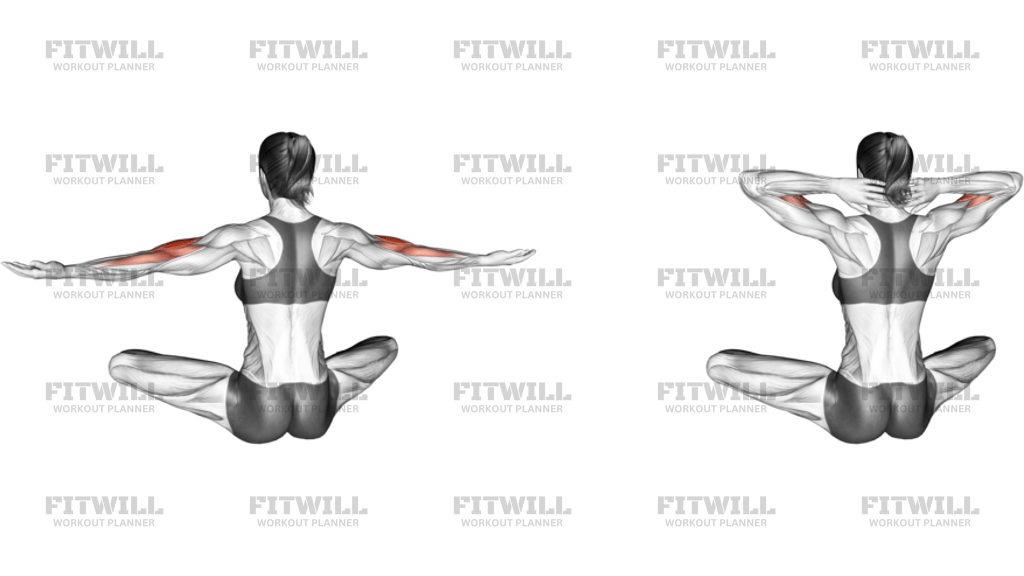
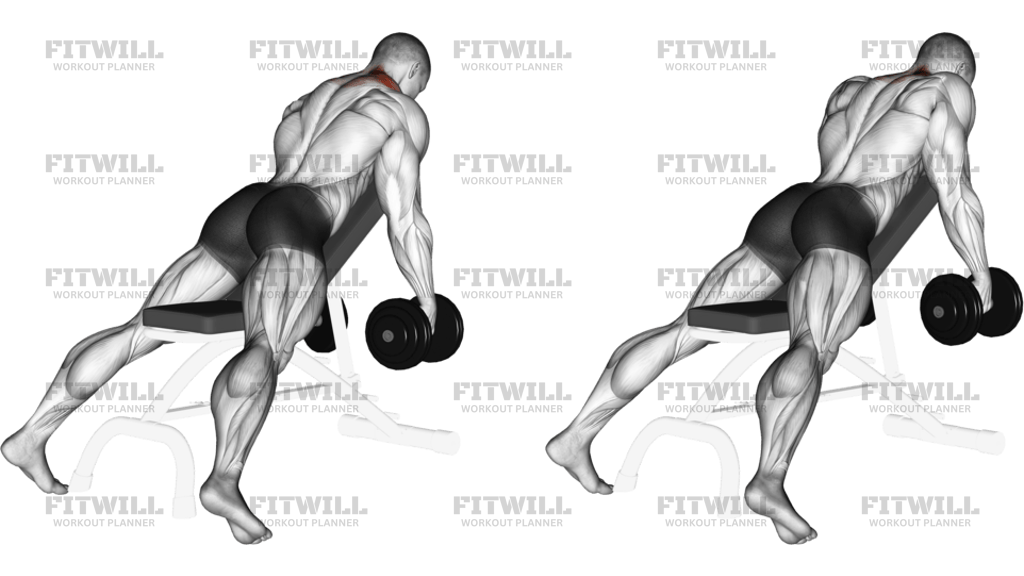
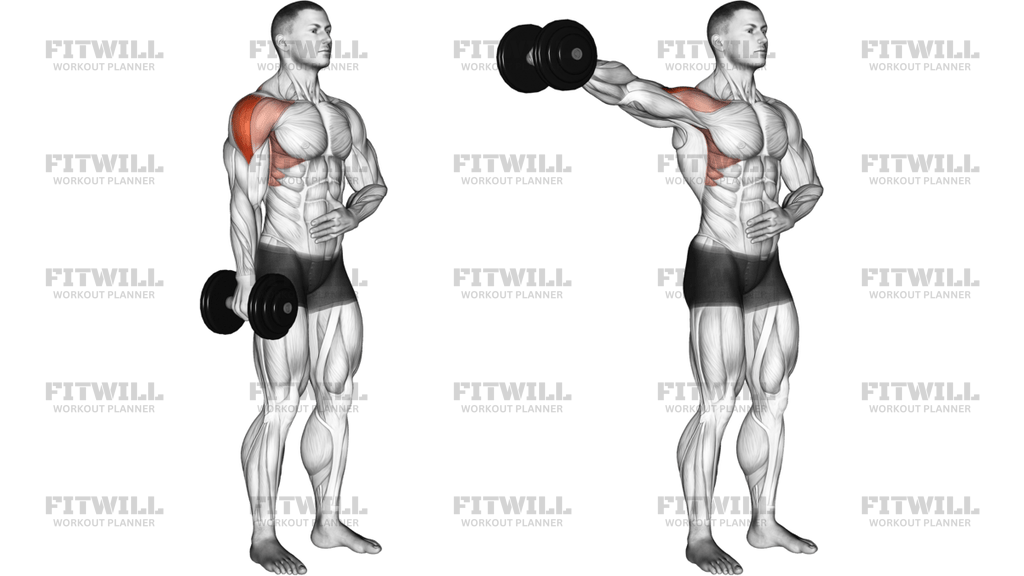
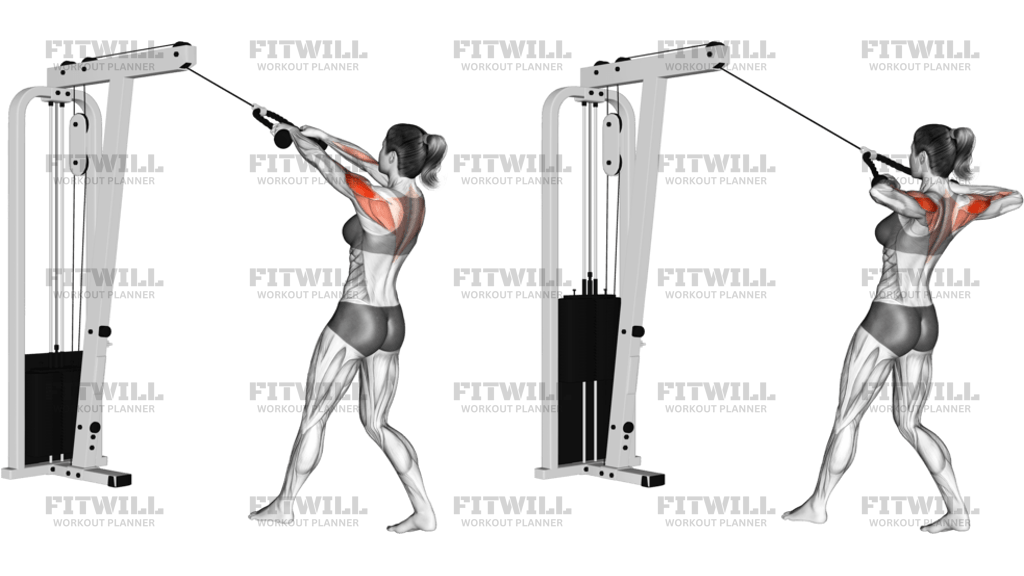
Lying Upper Trapezius Press
The Lying Upper Trapezius Press is a bodyweight isolation exercise performed face down, designed to work the upper trapezius and the muscles that support and extend the neck. You lie prone on the floor with your arms straight along your sides and your palms turned toward the ceiling, which biases the upper fibers of the trapezius. From there, you press the hands lightly into the floor, shrug the shoulders up toward the ears, and lift the head a short distance against gravity before lowering it back down under control.
This movement is especially useful for people whose upper traps and neck musculature get little direct, low-load work. Desk workers with rounded shoulders, lifters who train heavy pressing and pulling but never isolate the upper trap fibers, and anyone rehabbing gently into neck and shoulder-girdle training after a layoff can all benefit. Because it uses only bodyweight, the resistance is naturally modest, which makes it a good teaching tool for learning to feel and control the upper traps without heavy shrugging.
Setup matters a lot here. With your palms facing up and arms relaxed beside your hips, the arms are held out of the movement, forcing the shoulder blades and upper trap fibers to do the work instead of the lats or chest. The prone position also removes momentum from the equation: gravity acts directly on the head and shoulder girdle, so any bouncing or cranking shows up immediately. Keeping the forehead and chest in contact with the floor while only the head lifts keeps the work in the neck and upper back rather than the lower back.
To execute it well, think of two simultaneous actions: a small, deliberate shrug toward the ears and a smooth lift of the head, as if the crown of your head is reaching toward the wall in front of you. The range is short, a few inches at most, and the tempo should be slow enough that you could stop at any point. If you feel the movement in your lower back, the front of your neck, or your jaw, the range or effort level is too high. Because this area of the body is easy to overload, keep the reps moderate and stop well short of strain.
[ Workout Log & Planner ]
Put your next workout in Fitwill
Keep your plan and training log ready when you are.


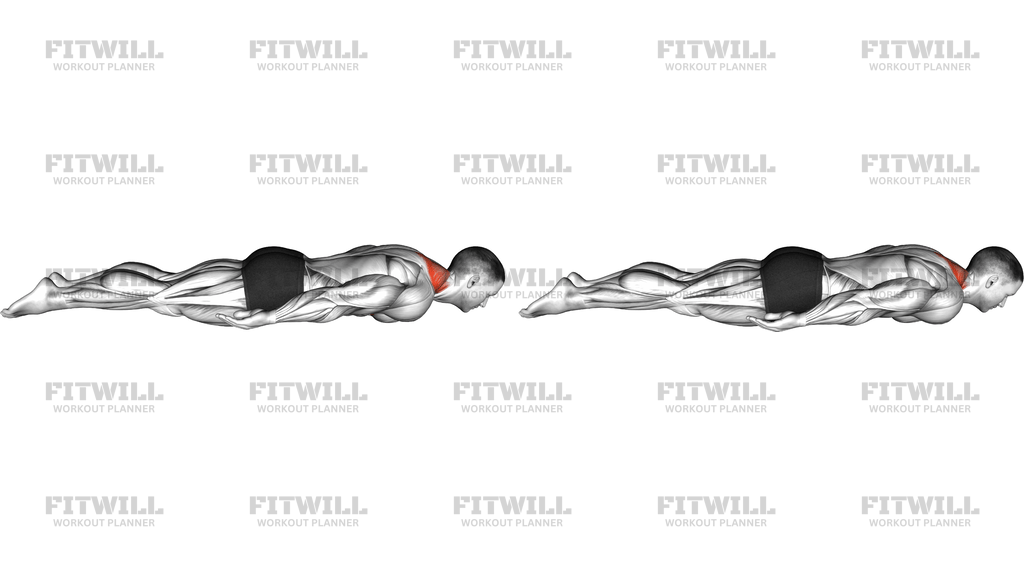
Instructions
- Lie face down on an exercise mat with your legs extended straight behind you and your feet relaxed.
- Place your arms alongside your torso with them fully straight, and turn your hands so your palms face the ceiling.
- Rest your forehead or the top of your face lightly toward the floor so your neck starts in a neutral, relaxed line with your spine.
- Brace your core gently and squeeze your glutes slightly to keep your hips and low back quiet throughout the set.
- Press your palms lightly into the floor and begin a small shrug, drawing your shoulders up toward your ears.
- Keeping the shrug, lift your head a few inches off the floor, leading with the back of your head toward the ceiling rather than tipping your chin up.
- Hold the top position for one to two seconds with the shoulders elevated and the head lifted.
- Lower your head back down slowly, then let the shrug release so the shoulder blades settle back to the start position.
- Exhale as you lift the head and shrug, inhale as you lower and reset.
- Pause briefly at the bottom before starting the next rep, keeping the arms relaxed and palms up the whole time.
Tips & Tricks
- The most common mistake is lifting the head too high. A lift of two to four inches is enough; going further shifts effort into the lower back and front of the neck.
- If you feel this in your lower back, squeeze your glutes and press your hips gently into the floor before each rep so your trunk stays anchored.
- Do not let your hands press so hard into the floor that your chest lifts. The press is a light contact cue to stabilize the arms, not a push-up.
- Keep the chin from jutting forward. If your chin leads the lift, shorten the range and focus on the back of the head rising first.
- The shrug and head lift should happen together. Doing the shrug long after the lift breaks the upper trap focus and turns it into a neck-only move.
- Keep your arms dead relaxed except for the light palm press. Tensing the forearms and biceps usually means you are pulling with the arms instead of elevating the shoulder blades.
- Tempo matters more than reps here. A two-second lift, one-second hold, and two-second lower will do more for control than fast bouncing reps.
- If your neck feels compressed at the top, reduce the hold time and lower the lift height before adding more reps.
Frequently Asked Questions
What muscles does the Lying Upper Trapezius Press work?
The primary muscle is the upper trapezius, which elevates the shoulder blades and assists with extending the neck. The levator scapulae and middle trapezius assist, and the neck extensors work to lift the head.
Why are the palms facing up instead of down in the Lying Upper Trapezius Press?
Turning the palms toward the ceiling externally rotates the arms and keeps the lats and chest out of the movement. This forces the upper trap fibers to drive the shrug rather than the arms pulling or pressing the body.
How high should I lift my head during the Lying Upper Trapezius Press?
A few inches is plenty. The goal is a controlled lift with the shoulders shrugged toward the ears, not a large range of motion. If your chest or ribs leave the floor, you have gone too far.
Is the Lying Upper Trapezius Press suitable for beginners?
Yes, because the resistance is only your head and shoulder girdle against gravity. Beginners should start with shorter holds, a small lift height, and sets of eight to ten reps to learn the shrug-and-lift coordination.
Why do I feel the Lying Upper Trapezius Press in my lower back?
That usually means the trunk is arching to help lift the head. Squeeze your glutes, press your hips into the floor, and reduce the lift height so the effort stays in the neck and upper traps.
Can I do the Lying Upper Trapezius Press on a bench instead of the floor?
You can lie prone on a flat bench with your head past the edge, but the floor version shown keeps the arms pressed lightly against the ground, which makes the setup easier to control for most people.
What can I substitute for the Lying Upper Trapezius Press?
Light dumbbell shrugs, band shrugs, and prone Y raises all train the upper traps. None of them isolate the head lift component the way this exercise does, which is why it works well alongside those movements.
How many sets and reps of the Lying Upper Trapezius Press should I do?
Two to three sets of eight to twelve slow reps works well, either as a warm-up before upper body training or as targeted work at the end of a session. Because the neck is involved, prioritize control over volume.
Is it safe to train the neck with the Lying Upper Trapezius Press?
With bodyweight resistance, a small range, and no jerking, it is a low-load way to train the area. If you have a current or recent neck injury, get clearance from a qualified professional before adding it to your routine.