Walking Backward On A Treadmill
Walking Backward On A Treadmill, often called retro walking, is exactly what it sounds like: you walk in reverse on a treadmill belt at a slow, controlled speed instead of facing forward. The treadmill is ideal for this because the belt sets a steady pace and the handrails give you something to steady yourself with while your body relearns a movement pattern it almost never practices. Most people start at 0.5 to 1 mph with the belt flat and treat the first few sessions as a coordination drill as much as a workout.
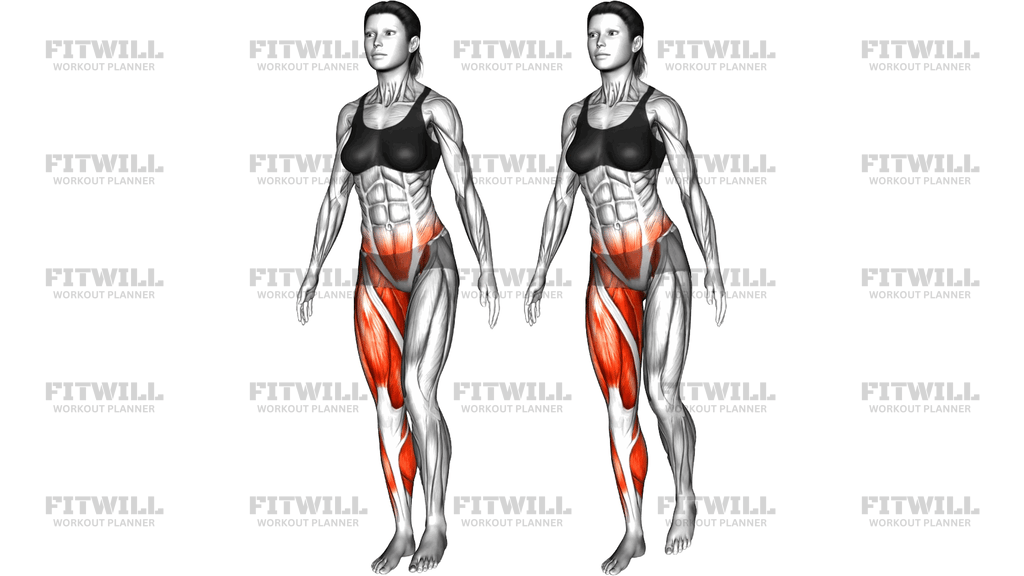
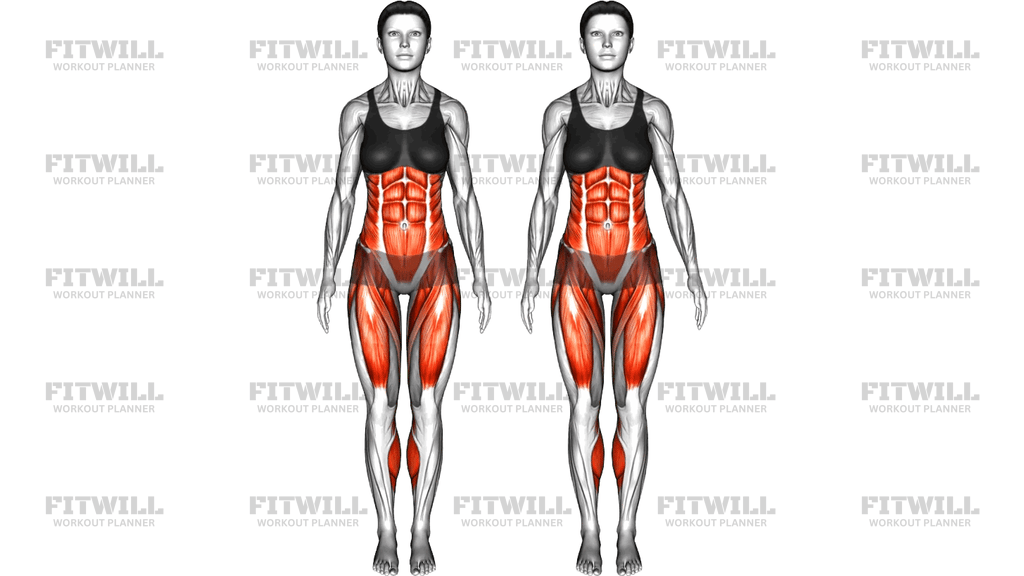
Backward walking changes the demands on your legs significantly compared with normal walking. Instead of pushing off the ball of the foot, you roll from toe to heel, which loads the quadriceps through a different portion of their range and places less compressive stress at the front of the knee. This is one reason retro walking shows up so often in rehab and return-to-training settings, particularly for people easing back into knee-dominant activity. The hamstrings, glutes, and calves also work to control each reversed step, and the small muscles around the ankles get constant balance work.
Beyond the legs, the exercise is a genuine coordination and proprioception challenge. Walking backward forces your brain to process gait in an unfamiliar order, which sharpens balance and body awareness in a way forward walking no longer does once it has become automatic. That makes it useful not just for knee-friendly conditioning but for older adults working on fall resistance and for athletes who want a low-impact way to add variety to warm-ups or steady-state cardio.
The setup matters more here than in almost any other treadmill session. Getting on and off the belt while facing the wrong way is the riskiest part of the exercise, so you want the machine nearly stopped, the speed set low, and both handrails within easy reach before you turn around. Keep the safety key clipped on if your treadmill has one, and clear the area behind you of anything you could trip over if you step off unexpectedly.
Execution should stay deliberate. Stand tall rather than leaning back or craning your neck to look over your shoulder, take shorter steps than your normal stride, and let a light fingertip grip on the handrails do no more than keep you honest. As your confidence grows over a few sessions, you can gradually raise the speed, add a slight incline, or extend your walking intervals. Stop the belt completely before dismounting, stepping off the same way you got on: slowly, with both hands on the rails.
[ Workout Log & Planner ]
Put your next workout in Fitwill
Keep your plan and training log ready when you are.


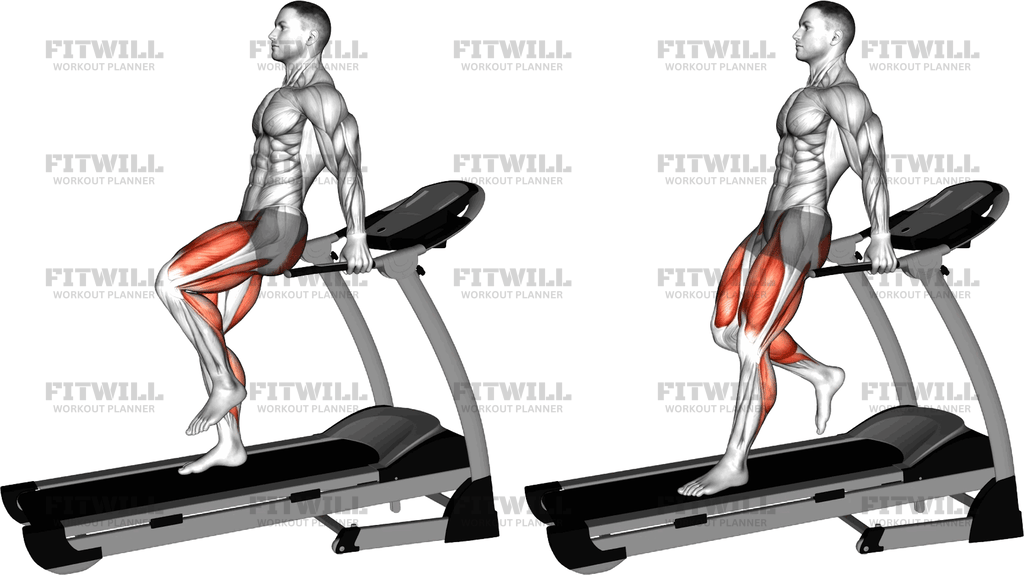
Instructions
- Stand on the treadmill side rails facing the console with the belt stopped, and set the speed to 0.5-1 mph with no incline.
- Grip both handrails firmly, then carefully pivot or step around so your back faces the console and your feet are still on the stationary side rails.
- Clip the safety key to your clothing if your treadmill has one, and make sure the space behind the machine is clear.
- Step one foot onto the center of the belt as it starts moving, then bring the other foot on so you are standing mid-belt with a soft bend in both knees.
- Stand tall, brace your core lightly, and keep your eyes forward rather than twisting to look behind you.
- Step backward with one leg, placing the ball of the foot down first and rolling back toward the heel, then switch legs and settle into a rhythm.
- Keep your steps shorter than a normal walking stride and let your hands rest on the handrails with a light grip for balance only.
- Breathe steadily through the nose and mouth, matching your pace to an effort where you could still hold a conversation.
- When finished, hold both handrails firmly, keep stepping in place if needed, and wait for the belt to stop or press the stop button.
- Step off onto the side rails one foot at a time, then turn back toward the console and step down from the machine.
Tips & Tricks
- Resist the urge to crank the speed up early; backward walking feels awkward until your nervous system adapts, and most stumbles happen in the first two sessions.
- Do not lean your torso back or hinge at the hips to reach behind; if you find yourself doing this, shorten your stride until your torso stays stacked over your hips.
- Avoid constantly twisting your neck to check where you are; pick a point ahead of you and trust the handrails and belt length instead.
- A death grip on the handrails takes load off your legs and turns the drill into a rail-hang; once you feel stable, hold on with just your fingertips or one hand.
- If your knees track toward your toes awkwardly or you feel pinching at the front of the knee, slow the belt down further before changing anything else.
- Skip incline entirely for your first several sessions; a slight grade changes balance demands much more walking backward than it does forward.
- Wear flat, grippy shoes and double-knot the laces; loose footwear is far more noticeable when your foot lands heel-last.
- Practice the turn-around maneuver with the belt fully stopped a few times before doing it mid-workout; getting on and off is the trickiest part of the whole exercise.
- Keep sessions short at first, five to ten minutes, and build duration before you build speed.
Frequently Asked Questions
What muscles does Walking Backward On A Treadmill work?
It primarily works the quads, which control each backward step, with steady contributions from the hamstrings, glutes, and calves. The muscles around the ankles also work continuously to keep you balanced on a moving belt.
Why walk backward instead of forward on a treadmill?
Reversing the gait pattern loads the legs differently, particularly at the knee, and demands much more balance and coordination. It is a common choice in rehab settings and a useful low-impact change of stimulus for general training.
Is Walking Backward On A Treadmill safe for beginners?
Yes, as long as the speed stays very low, both handrails are used, and the belt is stopped for getting on and off. The awkwardness is normal and usually fades within a few sessions.
What speed should I use for Walking Backward On A Treadmill?
Start at 0.5-1 mph with no incline and only increase the pace once you can walk for several minutes without watching your feet or gripping the rails hard. Progress in small increments of about 0.2 mph.
Should I hold the handrails the entire time?
Use them freely when you are learning, but aim for a light fingertip touch once you feel stable. Gripping hard shifts work away from your legs and reduces the balance benefit.
Can I add incline to Walking Backward On A Treadmill?
Yes, but only after flat backward walking feels automatic. A small incline increases the demand on the glutes and hamstrings, so add it gradually while dropping your speed back down.
How is backward walking different from forward walking for the knees?
The reversed step pattern changes how the knee joint is loaded and emphasizes the quadriceps through a different part of their range. This is one reason retro walking is frequently used in knee rehabilitation programs.
What is the most common mistake with Walking Backward On A Treadmill?
Taking steps that are too long and too fast, which pushes the torso back and makes balance harder. Shorten your stride and slow down before anything else if you feel unstable.
What can I use instead if I do not have a treadmill?
Walking backward across an open floor, down a long hallway, or in a hallway with a wall nearby works the same pattern without a machine. Just keep the area clear and start slower than feels necessary.
How long should a session of Walking Backward On A Treadmill last?
Five to ten minutes is plenty when starting out, either as a standalone block or broken into short intervals with rests. Build toward twenty minutes or more as your coordination and comfort improve.