Dumbbell Single Arm Row With Chest Supported
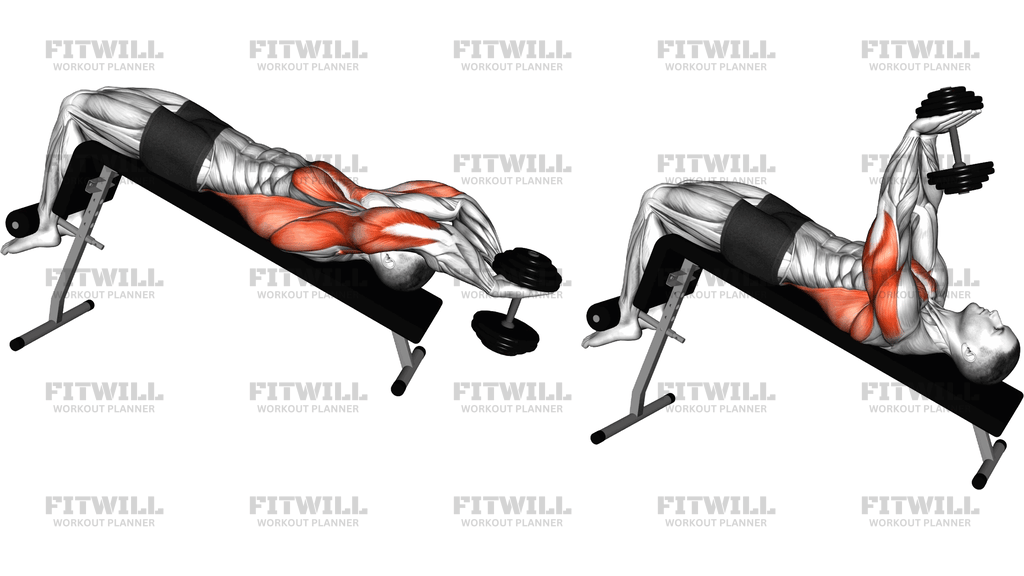
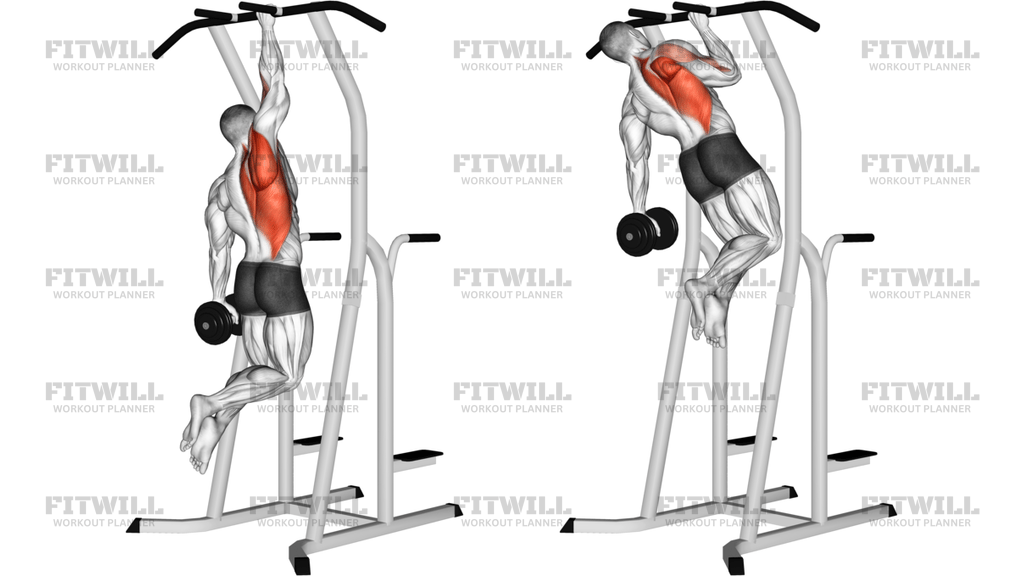
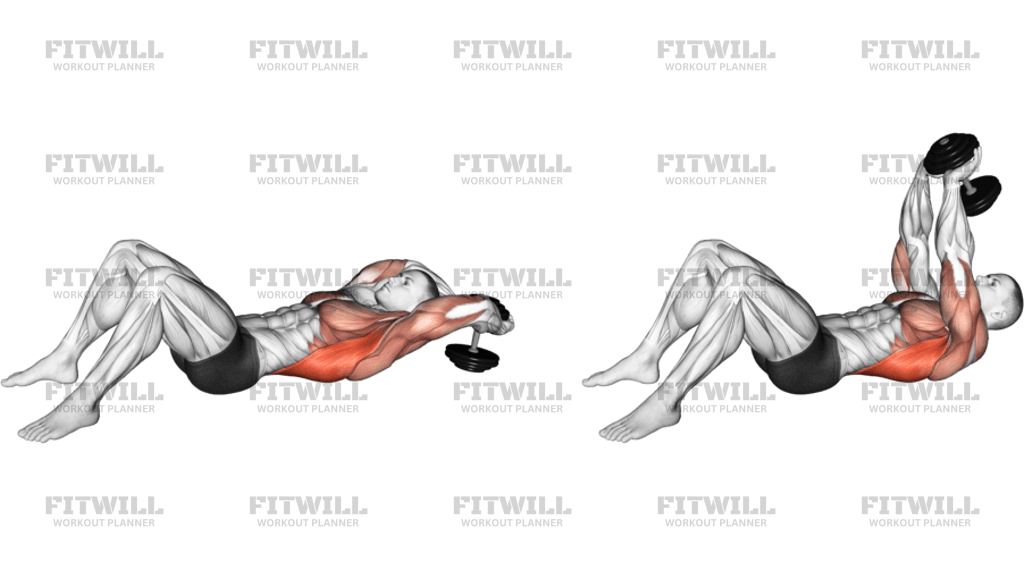
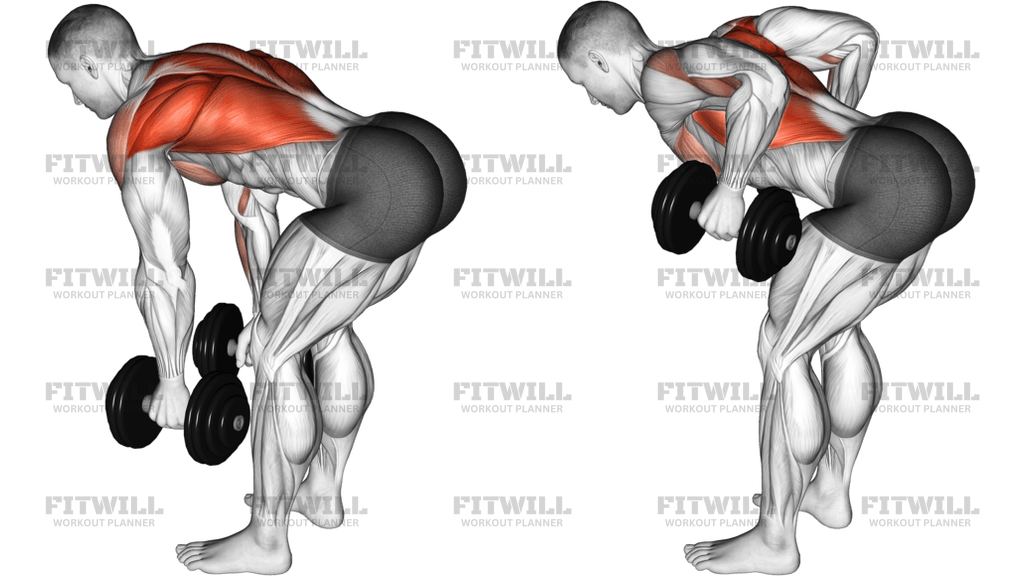
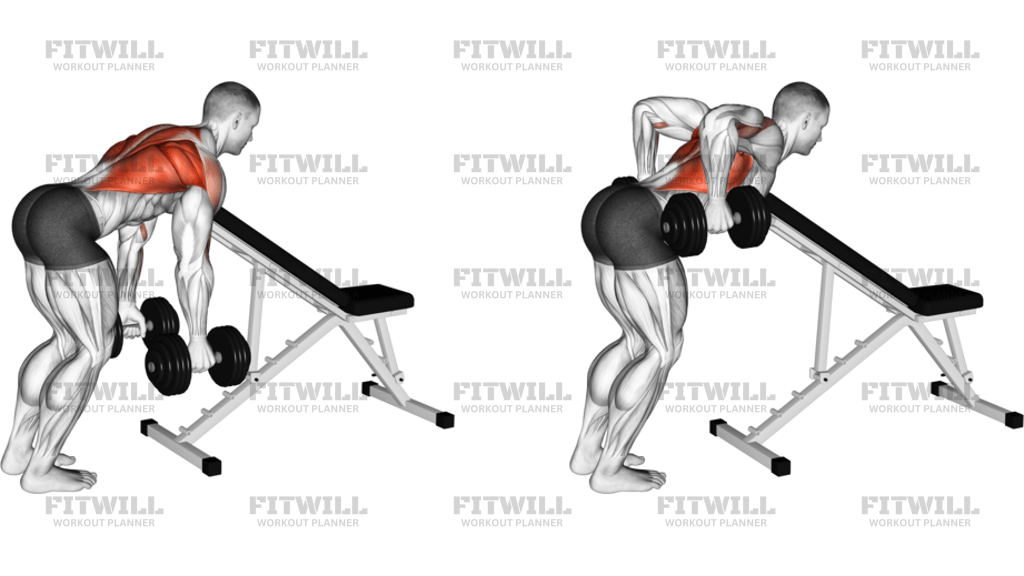
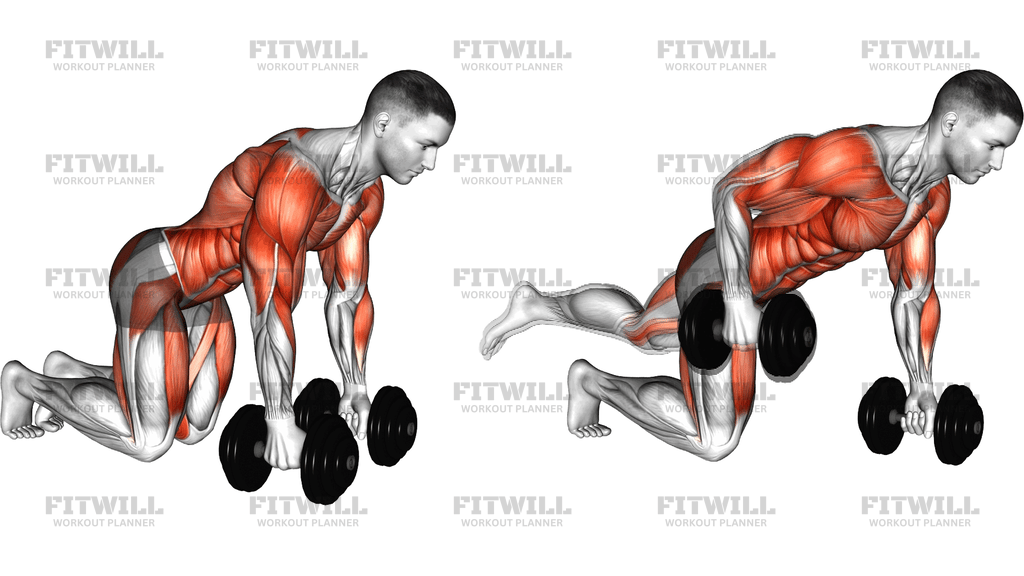
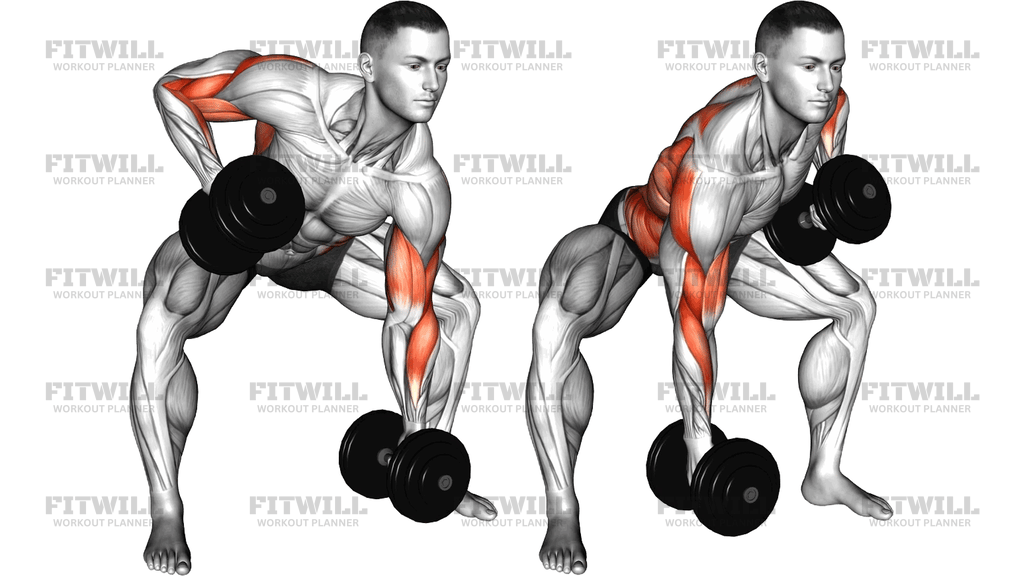
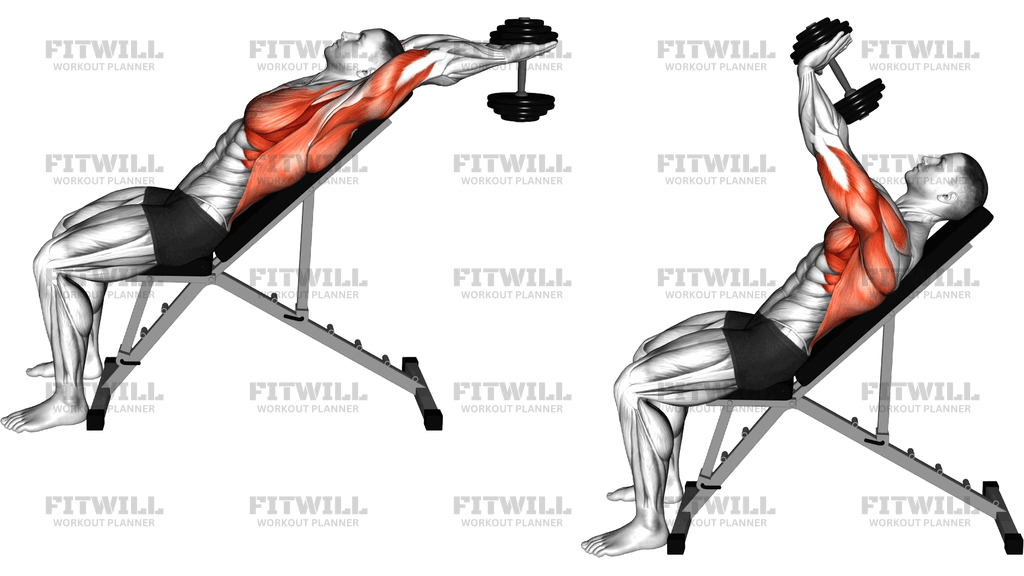
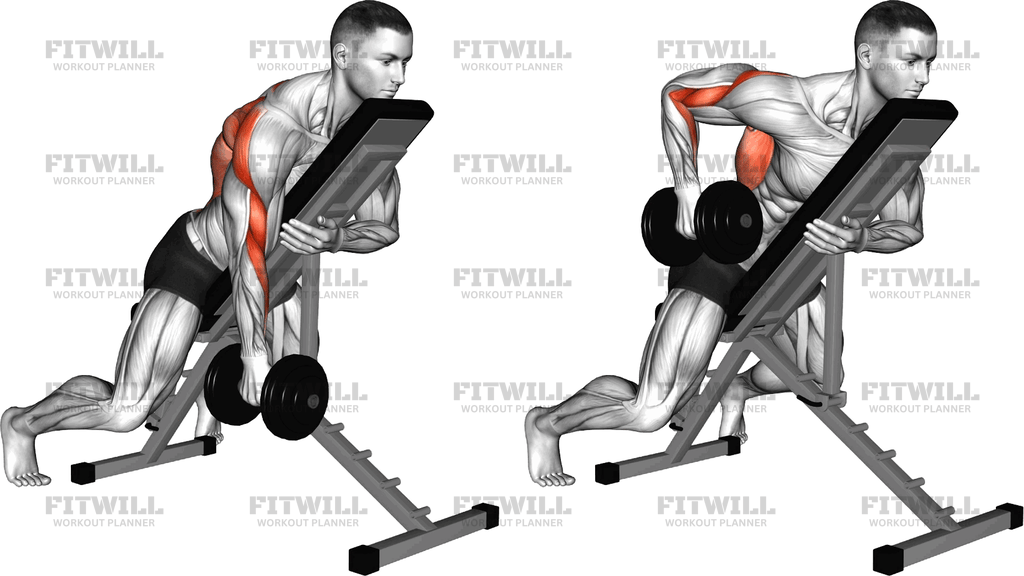
The Dumbbell Single Arm Row With Chest Supported is a rowing variation performed while lying face down on an incline bench. You brace your chest and torso against the angled pad, let one arm hang straight down with a dumbbell, and pull the weight up toward your hip before lowering it under control. Because your chest stays glued to the bench through every rep, you cannot swing, twist, or use momentum to move the load — the back muscles have to do the work on their own.
The single-arm setup also makes this a natural anti-rotation exercise. Even though the bench blocks most body english, your core still has to resist the slight rotational pull of the dumbbell, which quietly builds trunk stability while the working side trains the lats, rhomboids, mid traps, and rear shoulders. The biceps and forearm muscles assist on the pull and grip the dumbbell throughout.
This chest-supported position is the main reason lifters choose it over a standing one-arm row. If your lower back fatigues or rounds before your upper back does during traditional rows, this version removes that bottleneck entirely. It is especially useful for people with lower back sensitivity, for lifters who want a strict back-day movement without hip-hinge setup, and for anyone trying to fix side-to-side strength differences because each arm works alone with matched form.
Setup matters more here than in most rowing variations. The bench angle should be steep enough that your chest can stay in contact when you pull, but not so steep that the dumbbell clearance becomes awkward. Your head should rest comfortably near the top of the pad with your free hand gripping the bench for balance, and your legs should be staggered or split so the whole body feels anchored before the first rep starts.
To execute it well, think of driving your elbow back and slightly toward your hip rather than simply yanking the weight upward. Pause briefly when the dumbbell is near your ribs, feel the shoulder blade pull in toward the spine, then lower the weight slowly until the arm is fully extended and the lat is stretched. Two to three sets of 8 to 12 reps per side fits most strength and muscle goals, and this movement pairs well with pressing work or sits comfortably as the anchor of a back-focused session.
[ Workout Log & Planner ]
Put your next workout in Fitwill
Keep your plan and training log ready when you are.


Instructions
- Set an incline bench to roughly 30 to 45 degrees and place a dumbbell on the floor beside it.
- Lie face down on the bench so your chest and upper abdomen are supported, with your head just past the top of the pad and your free hand gripping the bench frame or top edge for balance.
- Stagger your legs with one knee near the floor and the other foot planted back, then reach down with your working hand and take a firm overhand grip on the dumbbell.
- Let the dumbbell hang at full arm extension, take a breath, and brace your core to lock your torso against the pad.
- Pull the dumbbell up and slightly back toward your lower ribs, leading with the elbow and keeping it close to your body.
- At the top, squeeze your shoulder blade toward your spine and pause for a beat without lifting your chest off the bench.
- Lower the dumbbell slowly until your arm is fully straight and you feel a stretch across the lat and upper back.
- Exhale as you pull up and inhale as you lower the weight, keeping the breathing rhythm steady through the set.
- Complete all reps on one side, switch the dumbbell to the other hand, and match the reps with the opposite arm.
Tips & Tricks
- Keep your chest welded to the pad for every rep — if it lifts, the weight is too heavy or you are pulling toward your shoulder instead of your hip.
- Choose a bench height that lets the dumbbell clear the floor at full arm extension; if the plates touch down, shorten the stretch slightly rather than leaning off the bench.
- Do not let the elbow flare straight out to the side — tucking it near the ribs keeps the emphasis on the lats instead of shifting it up toward the shoulder.
- If you feel it only in the biceps, slow the pull down and focus on dragging the elbow back first, letting the arm bend second.
- Keep your head in a neutral position resting near the pad; craning your neck up on each rep adds tension without helping the row.
- Control the lowering phase for two to three seconds — the stretch at the bottom is where most of the back muscle growth stimulus comes from in this position.
- Set your feet wide enough in the split stance that the bench and your body feel stable; a wobbly base will make you brace with the shoulder instead of the core.
- Start with your weaker arm first and match the reps with the stronger side so imbalances narrow instead of widening.
- Keep the free hand relaxed on the bench — pushing hard through it to assist the pull steals work from the rowing arm.
Frequently Asked Questions
Which muscles does the Dumbbell Single Arm Row With Chest Supported work?
The lats are the primary mover, supported by the rhomboids, mid traps, and rear shoulders as the shoulder blade retracts. The biceps and forearms assist on the pull and handle the grip.
Why is the chest supported on an incline bench in this row?
Supporting the chest removes the lower back and hip position from the equation, so you cannot swing or lean to move the dumbbell. This isolates the upper back work and makes it a strong choice if standing rows bother your lower back.
Is this exercise good for beginners?
Yes, it is actually one of the more beginner-friendly rowing variations because the bench provides stability and the path is easy to control. Start light to learn the elbow-driving motion before adding load.
What bench angle should I use for the Dumbbell Single Arm Row With Chest Supported?
Around 30 to 45 degrees works for most people. The key test is that your chest stays in contact with the pad throughout the pull and the dumbbell clears the floor at full arm extension.
Should I use an overhand or neutral grip?
A neutral grip with the palm facing in is usually the most comfortable and keeps the elbow tracking close to the ribs, which favors the lats. An overhand grip slightly increases upper back involvement, so both are reasonable.
Why do I feel this more in my biceps than my back?
This usually means the pull is starting from the hand instead of the elbow. Slow the rep down, initiate by driving the elbow back toward the hip, and let the arm bend as a consequence of the shoulder movement.
What can I substitute if I don't have an incline bench?
A flat bench combined with a single-arm dumbbell row on the bench, or a chest-supported row on a dedicated machine, covers similar muscles. The closest alternative keeps the chest in contact with something so momentum stays out of the movement.
How many sets and reps should I do per side?
Two to four sets of 8 to 12 reps per arm covers most strength and muscle goals. Because the bench limits momentum, the weight will feel stricter than a standing row, so pick loads accordingly.
Can I do both arms at the same time with this setup?
Not on a standard incline bench, since your chest is lying on the pad and you need your free hand for balance. Two-arm chest-supported rows are typically done lying across a flat bench or on a dedicated row bench.
Is the Dumbbell Single Arm Row With Chest Supported safe for my lower back?
The supported torso position removes most shear stress from the lower spine, which is why many lifters with back sensitivity prefer it over bent-over rows. As with any loaded movement, start with a moderate weight and keep the reps controlled.