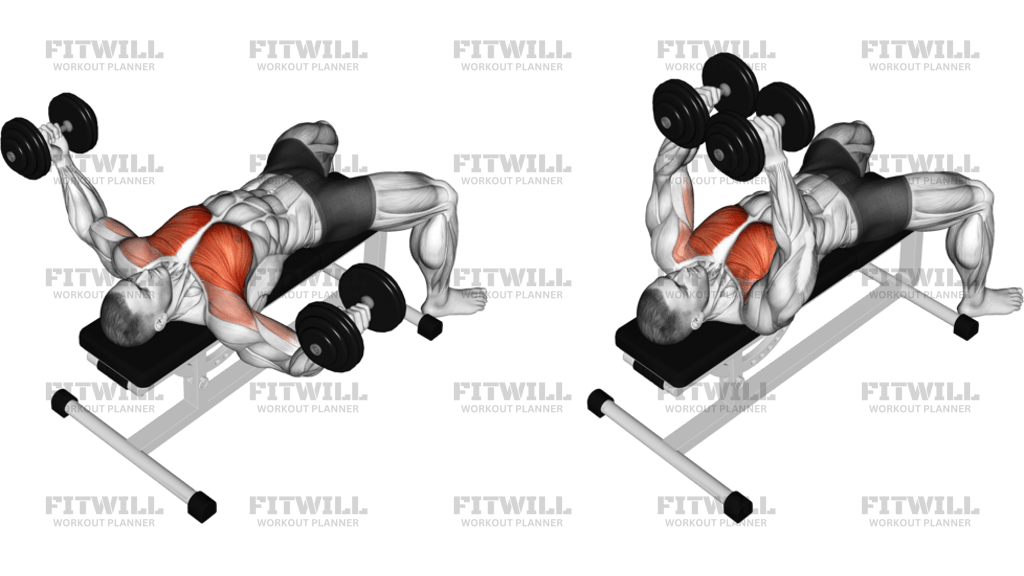
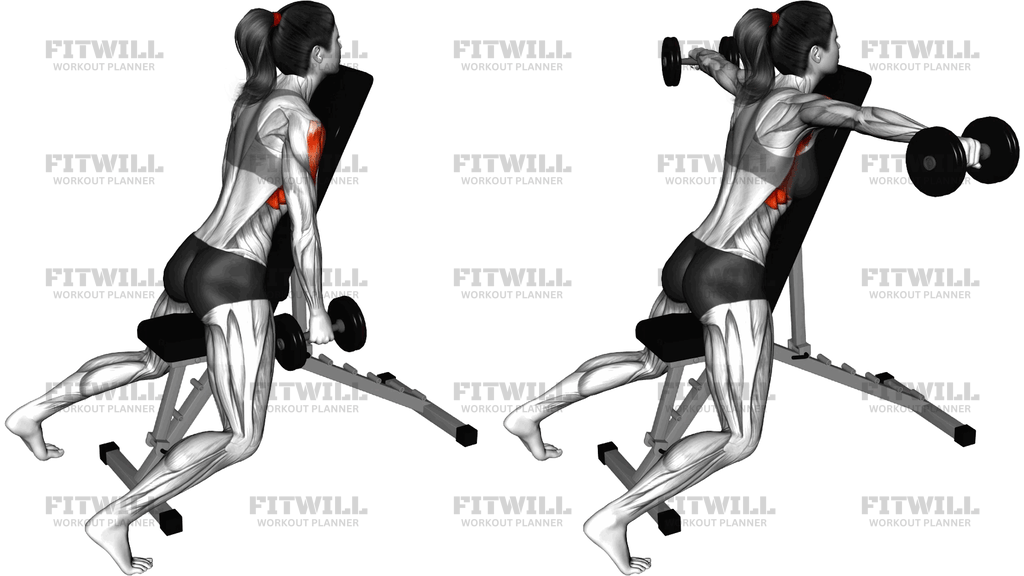
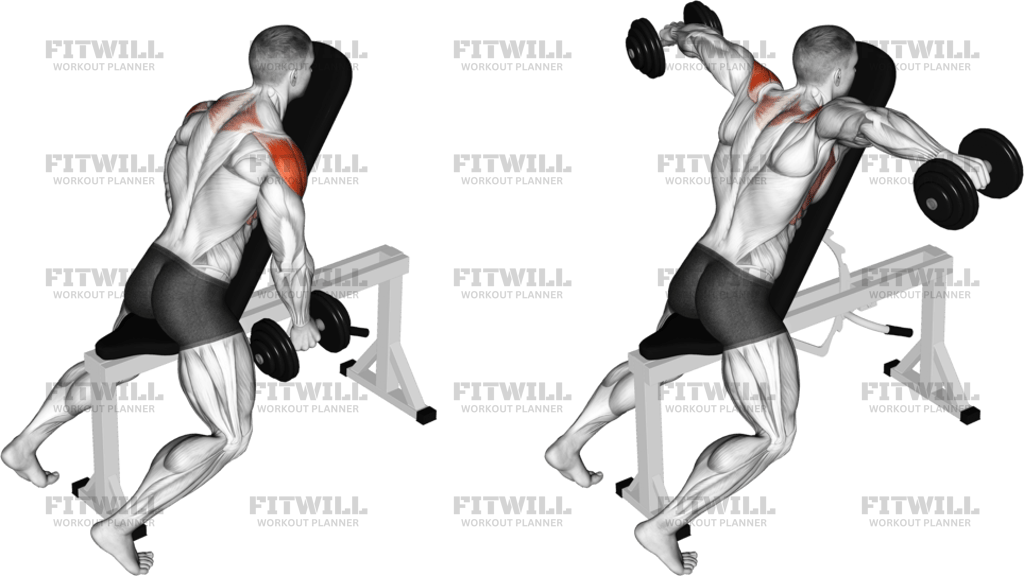
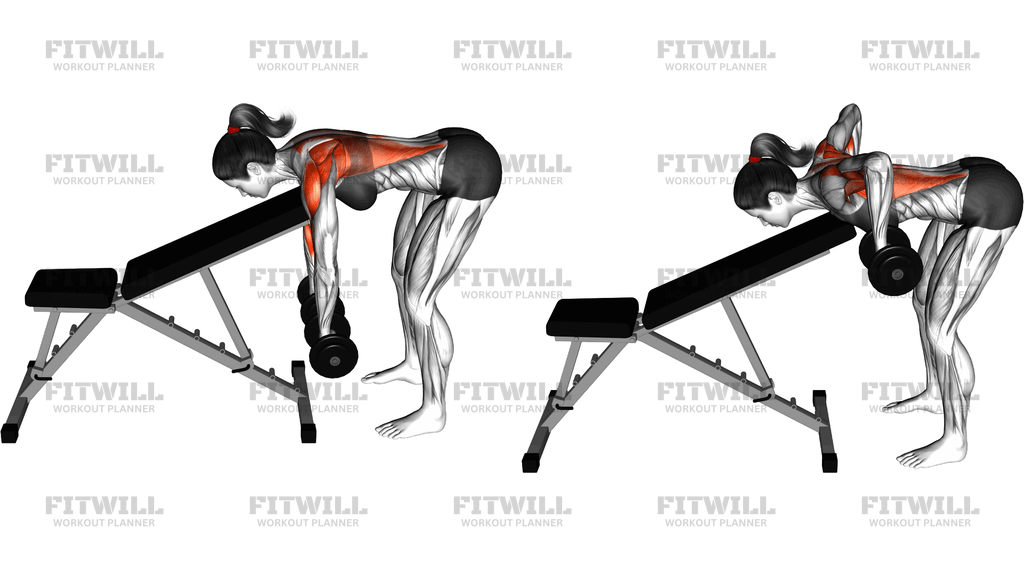
Dumbbell Lying Floor Single Arm Hammer Press With
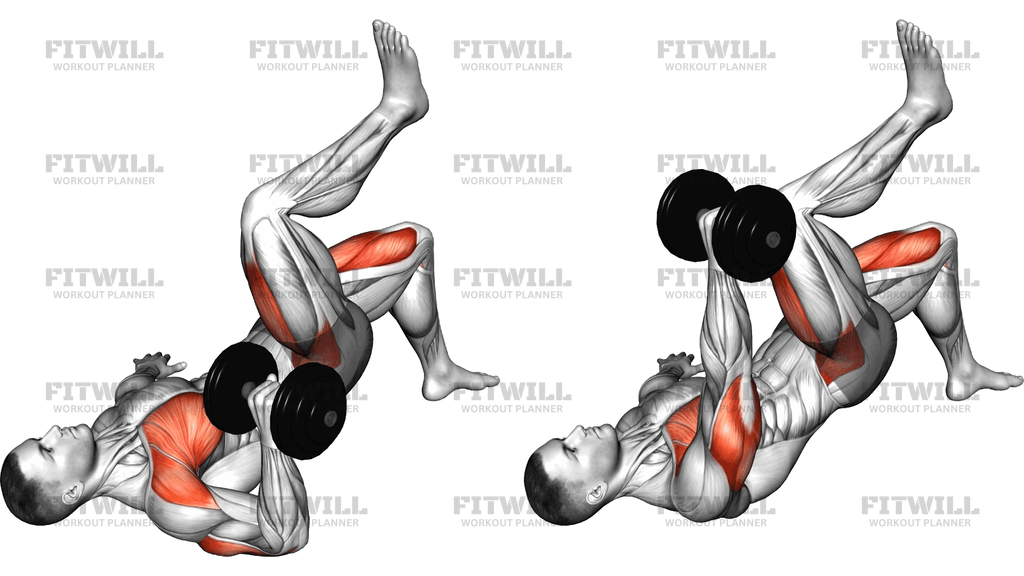
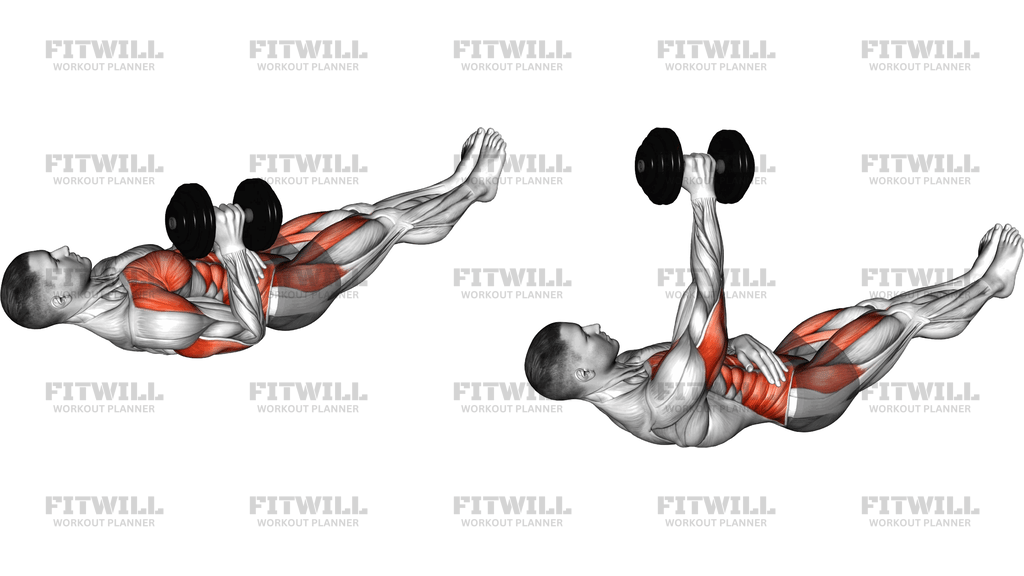
The Dumbbell Lying Floor Single Arm Hammer Press With is a hybrid pressing movement that combines a one-arm floor press with a hollow-body leg hold. You lie flat on the floor with one dumbbell held in a neutral, hammer-style grip, press it from your chest to full extension, and keep your legs straight and lifted off the floor the entire time. The non-working hand rests on your midsection, which helps you monitor whether your trunk is actually staying braced or quietly twisting as you press.
This setup trains two things at once. The pressing arm works the chest, front delts, and triceps through a shortened, joint-friendly range, while the raised legs and single-sided load force your deep core and obliques to resist rotation and keep your lower back glued down. Because the dumbbell pulls you toward one side, the anti-rotation demand is far higher than in a two-arm press, making this a genuine trunk exercise disguised as a chest movement.
It suits intermediate lifters who already own a solid hollow hold and a comfortable floor press, and it is especially useful for anyone who wants pressing volume without a bench, or who needs to iron out left-right differences in pressing strength and trunk control. Athletes in striking or throwing sports often appreciate it because it mimics the real-world pattern of producing force from a braced trunk through one arm.
The floor is what makes the setup work. With your back flat on the ground, your shoulder blades cannot retract behind your ribcage the way they would on a bench, which naturally caps the range of motion and protects the shoulder joint. The lifted legs remove the option of arching or driving through your feet, so any leverage you would normally steal from the lower body is gone and the trunk has to hold the position honestly.
To execute it well, set the legs at a height you can genuinely hold, usually somewhere between straight up and about forty-five degrees. Press the dumbbell in a slight arc so it finishes over your chest rather than drifting toward the empty side, and let your elbow skim the floor on the way down rather than crashing into it. If your legs drop, your lower back arches, or your hips start rotating toward the pressing side, that is the signal to either lighten the load or bend the knees slightly. Stop the set when the hold position fails, not when the press fails, since a sloppy hold defeats the purpose of the exercise.
[ Workout Log & Planner ]
Put your next workout in Fitwill
Keep your plan and training log ready when you are.


Instructions
- Sit on the floor with a single dumbbell at your side, then roll back onto your upper back and get the dumbbell into your working hand using a neutral, hammer-style grip with your palm facing your body.
- Extend both legs straight out together and raise them so your feet are clearly off the floor, and rest your free hand flat on your lower abs to feel whether your trunk stays locked in.
- Bring the dumbbell to the side of your chest with your upper arm at roughly a forty-five degree angle to your torso and your elbow resting lightly on the floor.
- Brace your trunk as if bracing for a poke, press your lower back firmly into the floor, and take a breath into your belly.
- Exhale and press the dumbbell straight up until your arm is extended and the weight sits directly over your chest, keeping the neutral grip so the handle runs front to back.
- Pause briefly at the top and check that your legs are still at their starting height and your free hand has not felt your torso twist.
- Inhale and lower the dumbbell under control until the back of your upper arm touches the floor, letting your elbow skim down rather than dropping into it.
- Drive up again for your target reps, breathing out on each press and in on each descent.
- When finished, either switch the dumbbell to the other hand for an equal number of reps or guide it down, bend your knees, and lower your legs before standing up with the weight.
Tips & Tricks
- The most common failure point is the legs sinking lower rep by rep. Pick a leg height at the start that you can hold for every planned rep instead of starting high and watching the position decay.
- If your hips rotate toward the pressing arm, widen your legs slightly or press them closer to vertical, since a wider, higher leg position is more stable and gives your obliques more leverage against the twist.
- Keep the dumbbell's end plate from drifting toward the empty side at lockout; a cue that works well is pressing the weight toward the ceiling directly above the nipple line of the working side.
- Do not let the elbow slam into the floor at the bottom. The floor contact is a checkpoint, not a rest, so touch it and reverse the movement immediately.
- If your lower back peels off the floor, bend the knees slightly to shorten the lever before you sacrifice the position entirely, and progress back to straight legs as your control improves.
- Start with a weight you could press for twenty-plus reps in a normal floor press. The one-sided load plus the leg hold makes even modest dumbbells feel heavy on the trunk.
- Breathe shallowly but continuously rather than holding your breath through the set. Long breath-holds combined with raised legs raise internal pressure quickly and usually end in an early position breakdown.
- Match the reps exactly on both sides, and if one side needs work, lead with the weaker arm so the stronger side never sets the standard.
Frequently Asked Questions
Which muscles does the Dumbbell Lying Floor Single Arm Hammer Press With work?
The chest, front delts, and triceps handle the pressing, while the abs and obliques work hard to keep your torso flat and stop the single-sided dumbbell from pulling you into rotation. The hip flexors also contribute by holding your legs off the floor.
Why use a hammer grip instead of a normal press grip on this exercise?
The neutral grip turns your hand and forearm slightly inward, which many people find more comfortable at the shoulder than a pronated grip. It also keeps the dumbbell tracking close to the torso, which helps when you are balancing a single arm over a braced trunk.
Can beginners do the Dumbbell Lying Floor Single Arm Hammer Press With?
Beginners should start with a bent-knee version or a regular two-arm floor press first, because holding straight legs off the floor while pressing one arm is a demanding trunk skill. Once a hollow-body hold feels stable for thirty seconds, this exercise becomes a reasonable step up.
What if my lower back arches when I press?
That usually means the load or leg position has outpaced your trunk control. Press your lower back harder toward the floor, bend your knees slightly to shorten the leg lever, and reduce the dumbbell weight until the hold stays honest through every rep.
Where should the dumbbell finish at the top of the press?
Aim to have it stacked directly over your chest on the working side at lockout. If it drifts toward the empty side, your torso is rotating, so pull the finish position back in line and check that your free hand still feels your abs flat.
What can I substitute if I do not have a dumbbell?
A kettlebell held by the horns works well, and a resistance band anchored behind your back can provide pressing tension for the same one-arm setup. The core requirement stays identical as long as you keep the legs raised and resist rotation.
Should my elbow touch the floor at the bottom of each rep?
Yes, a light contact point on the floor is part of the exercise and protects the shoulder by capping the range. Just make sure it is a brief touch and not a pause where the arm rests between reps.
How many reps and sets should I use for the Dumbbell Lying Floor Single Arm Hammer Press With?
Two to four sets of eight to twelve reps per arm works well for most training programs. Because the limiting factor is often trunk endurance rather than pressing strength, stop the set when your leg height or back position starts to slip.
Is this exercise safe for the lower back?
When performed with the back pressed into the floor and a manageable leg height, it is a controlled position. Problems arise when people insist on straight legs at a low angle with too much weight, so build up gradually and treat any lower back lifting off the floor as a cue to regress.