Dumbbell Incline 30 Degrees Flye Hold Isometric
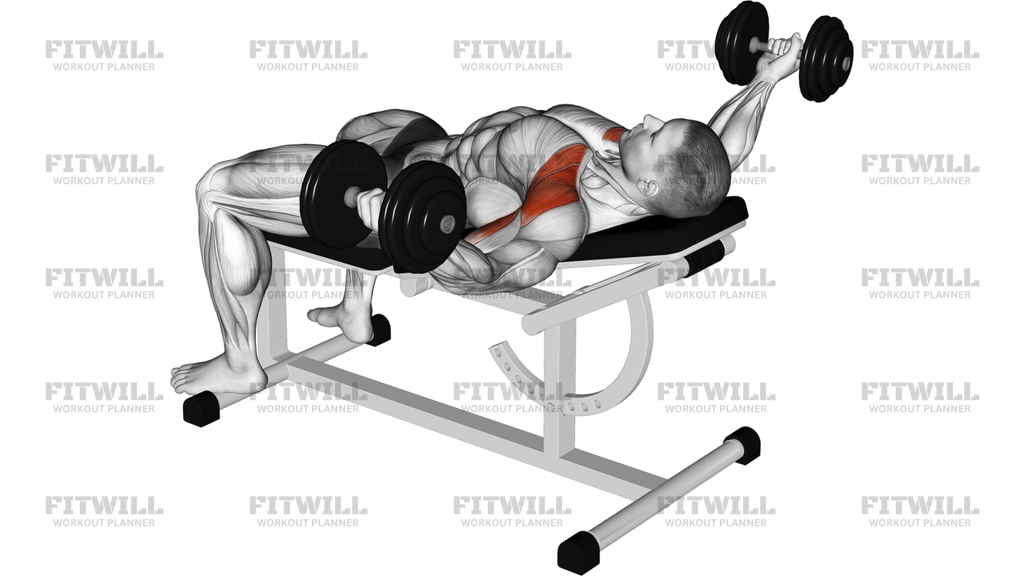
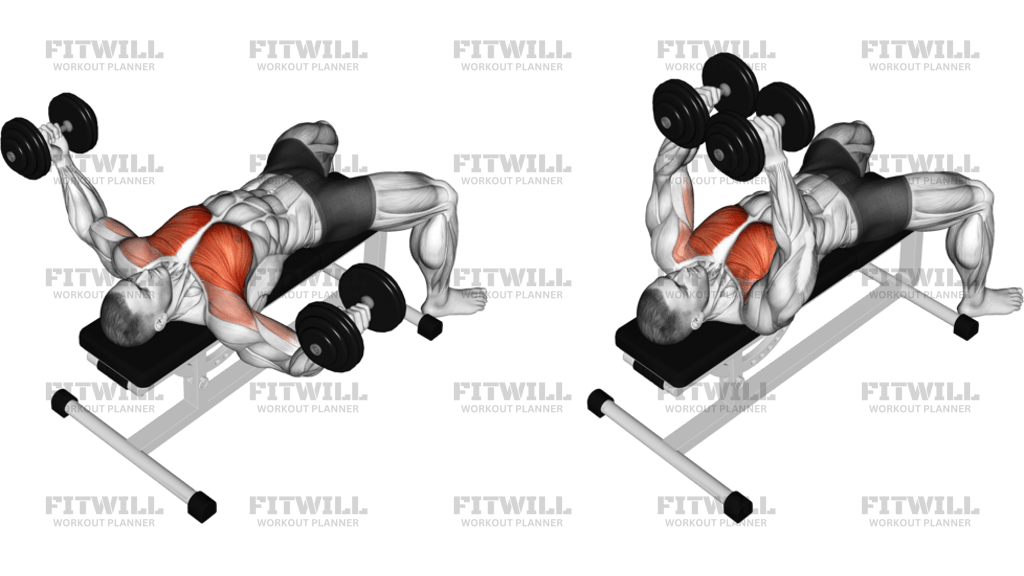
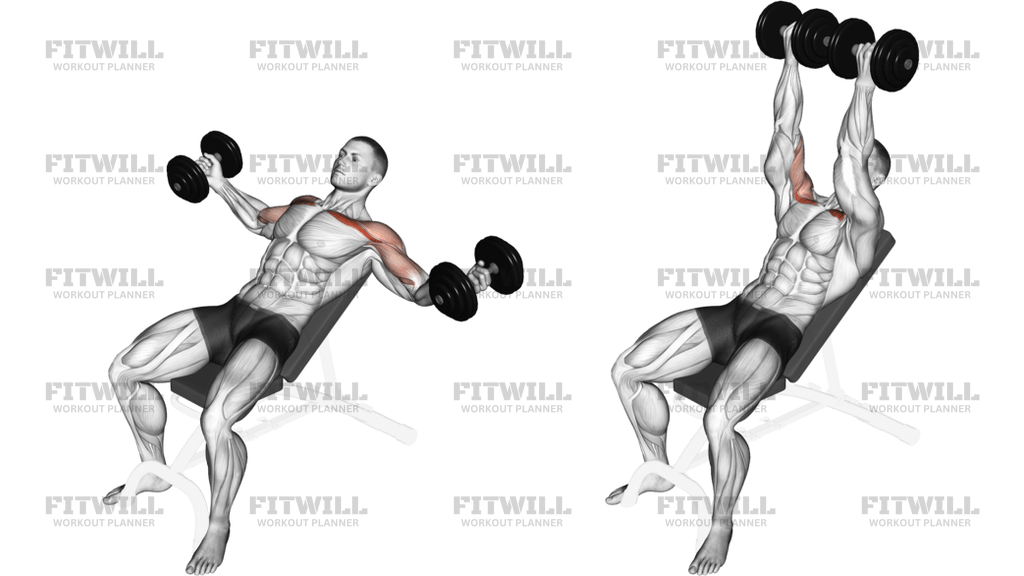
Dumbbell Incline 30 Degrees Flye Hold Isometric is a static chest-focused dumbbell exercise performed on a low incline bench. With the bench set around 30 degrees and the arms opened into a flye position, the goal is to keep constant tension on the chest while the dumbbells stay still. It is useful when you want to train control, positioning, and stretch tolerance without relying on heavy presses or fast reps.
The 30-degree angle shifts more work to the upper chest and front shoulders than a flat-bench flye hold, while the soft elbow bend keeps the load on the chest instead of turning the movement into a straight-arm shoulder raise. Because the position is held instead of repeated, the exercise also teaches you how to keep the shoulder blades organized, the wrists stacked, and the rib cage steady under tension. That makes it a useful accessory after pressing work or as a lighter activation drill before a chest session.
Set the bench low enough that your upper back and head are supported and plant your feet firmly before lying back with the dumbbells. Bring the weights into position over the upper chest, then open the arms in a wide arc until the chest is stretched but the shoulders still feel secure. The elbows should stay slightly bent and pointed in the same direction for the entire hold. If the dumbbells drift too low or the elbows straighten, the position quickly becomes harder on the shoulder joints and less useful for the chest.
Dumbbell Incline 30 Degrees Flye Hold Isometric works best with light to moderate dumbbells and short, controlled holds. It can fit as a warm-up, an accessory set, or a tempo-and-position drill for lifters who want more time under tension without chasing heavier loads. Keep the range pain-free, stop the set if the front of the shoulder pinches, and finish by bringing the dumbbells back together over the chest before sitting up carefully.
[ Workout Log & Planner ]
Put your next workout in Fitwill
Keep your plan and training log ready when you are.


Instructions
- Set an incline bench to about 30 degrees and place a pair of dumbbells on your thighs before you lie back.
- Sit on the bench with your feet flat, brace your torso, and lean back while guiding the dumbbells to shoulder level.
- Press the dumbbells above your upper chest with your palms facing each other and a soft bend in both elbows.
- Open the arms in a wide arc until the upper arms sit slightly below shoulder height and the chest is under a clear stretch.
- Keep your shoulder blades gently set on the bench and avoid shrugging the weights toward your ears.
- Hold the position still for the prescribed time without letting the elbows lock out or the wrists drift back.
- Breathe slowly and keep the ribs from flaring as you maintain the open-arm position.
- Bring the dumbbells back together over your chest, lower them to your thighs, and sit up carefully when the hold is complete.
Tips & Tricks
- Use a lighter pair than you would for incline presses; the hold gets difficult fast once the arms open.
- Keep the elbows slightly bent and fixed; straightening them turns the drill into a shoulder-dominant raise.
- Stop the opening angle when the chest feels stretched and the front of the shoulder still feels smooth, not pinchy.
- Think about pulling the upper arms inward from the chest rather than letting the dumbbells drift behind the torso.
- Keep the dumbbells lined up over the chest, not behind it, so the shoulder joint does not take over.
- Set the shoulder blades on the bench without hard pinning them together; too much squeeze can reduce the chest stretch.
- Exhale slowly and keep the ribs down so the weights stay steady instead of wobbling.
- End the hold as soon as the arm angle starts changing from fatigue.
Frequently Asked Questions
What muscles does Dumbbell Incline 30 Degrees Flye Hold Isometric train most?
It mainly loads the chest, with the front shoulders helping to hold the arms open and the forearms stabilizing the dumbbells.
Is Dumbbell Incline 30 Degrees Flye Hold Isometric the same as an incline flye?
No. An incline flye moves through a range of motion, while this version keeps you in the stretched flye position and asks you to hold tension there.
How high should the bench be for Dumbbell Incline 30 Degrees Flye Hold Isometric?
About 30 degrees is ideal. That angle keeps the chest involved without making the movement turn into a steep shoulder raise.
How long should I hold each rep?
Use the hold time your program calls for, but stop before the elbows and dumbbells start drifting out of position.
Can beginners do Dumbbell Incline 30 Degrees Flye Hold Isometric?
Yes, if they start with very light dumbbells and a smaller arm opening. The goal is a controlled chest stretch, not a max-effort hold.
What should I do if my shoulders feel uncomfortable?
Shorten the arm position, keep the dumbbells a little higher, and stop before the elbows drop too far below shoulder level. If the pinch stays, skip the hold.
Should my elbows stay bent during Dumbbell Incline 30 Degrees Flye Hold Isometric?
Yes. A soft bend keeps tension on the chest and reduces stress on the shoulder joint.
How do I make Dumbbell Incline 30 Degrees Flye Hold Isometric harder without cheating?
Increase the hold time slightly or open the arms a little wider, but only if the shoulder position stays locked in.