Seated Alternate Butterfly Knee Raise
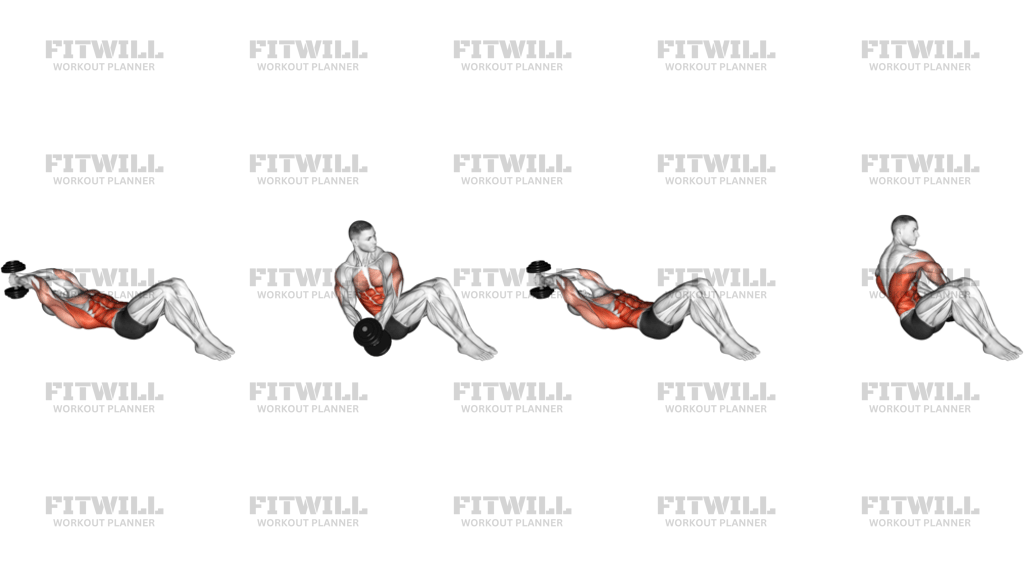
The Seated Alternate Butterfly Knee Raise is a floor-based body weight movement that combines a supported seated position with alternating knee drives and an outward hip rotation. You sit on the floor with your hands planted behind your hips, knees bent and feet flat, then alternately lift one knee while letting the opposite leg open out to the side with the knee turned outward, like the opening and closing of butterfly wings. The highlighted working areas in this movement are the abdominal wall across the front of the trunk and the deep hip musculature, including the hip flexors at the front of the pelvis and the muscles that control thigh rotation.
This exercise is genuinely useful for people who spend long hours sitting, because the seated position it starts from is exactly the position that leaves hip flexors short and glutes sleepy. Working each side separately exposes left-right differences in hip control that bilateral exercises hide. It also has a strong stability demand: with only your hands behind you for support, your trunk has to stay organized while one leg moves, which lights up the lower abs and the deeper core muscles that control pelvic position.
Setup matters more here than in most floor movements. Because you are leaned back on your hands, it is easy to let the lower back round and the pelvis tuck under, which turns a hip exercise into a passive slouch. Sit tall through the chest, press the shoulders down away from the ears, and keep the ribs stacked over the pelvis before the legs start moving. The feet should stay flat and close to the body so the knees stay bent and the hips, not the lower back, produce the motion.
To execute it well, think of the movement as coming from the hip joint, not from swinging the foot or rocking the torso. One knee lifts up and in while the other knee opens out toward the floor, then the roles swap in a smooth, continuous rhythm. Keep the exchanges deliberate; the moment you rush, momentum takes over and the abs stop doing their job of holding the pelvis steady. Exhale as the knees change position and breathe steadily through the set.
You will see this movement used in warm-ups before squats or running, in core circuits where the focus is on lower abdominal control rather than crunching, and in hip mobility work for people rebuilding comfortable rotation after long periods of sitting. It requires no equipment beyond a patch of floor, which makes it a practical choice for home training and travel. If your hands ache pressing into the floor, place them on a folded towel or use a mat for cushioning, and stop if you feel pinching in either hip rather than working through it.
[ Workout Log & Planner ]
Put your next workout in Fitwill
Keep your plan and training log ready when you are.


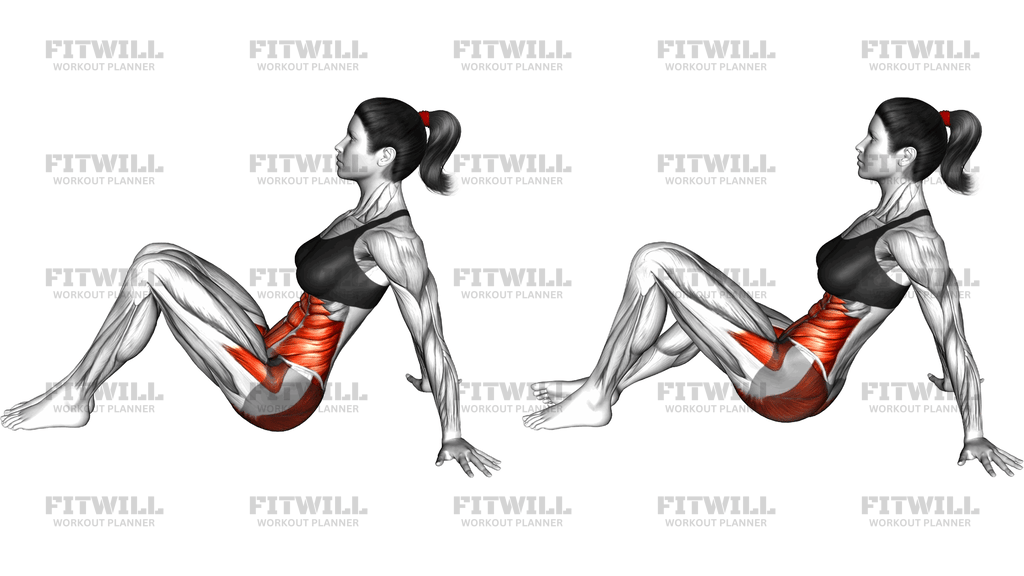
Instructions
- Sit on an exercise mat or the floor and place your hands on the floor slightly behind your hips, fingers pointing forward or slightly out for a stable base.
- Bend both knees and plant your feet flat on the floor about hip-width apart, close enough to your body that the knees stay deeply bent.
- Sit up tall through the chest, draw the shoulders down and back, and brace the abdominals so the ribs stay stacked over the pelvis.
- From this position, lift one knee up toward your chest while the opposite knee opens outward toward the floor with the thigh rotating externally.
- Reverse the positions smoothly: the raised knee lowers and opens out as the opened knee draws up, so the legs trade places without the feet slapping down.
- Keep the movement in the hip joints; the torso should not rock side to side or collapse backward as the legs alternate.
- Exhale as the knees switch position and inhale as you settle into each exchange, keeping the breath continuous rather than holding it.
- Continue alternating for your target number of repetitions, then bring both feet flat together, pause, and reset the tall seated posture before the next set.
Tips & Tricks
- If your hips pinch at the top of the raise, reduce how high the knee travels instead of forcing range; the depth should feel like a fold at the hip, not a jam at the front of the socket.
- The most common fault is the pelvis tucking under and the lower back rounding as the knees move. Press the sit bones into the floor and re-brace the abs between reps if you feel yourself sinking.
- Keep the weight even through both hands. Shifting onto one hip to help the leg move steals work from the abs and twists the spine.
- Slow the exchange down if the feet are skimming the floor; controlled foot placement means the hip flexors are lifting the leg, not momentum.
- If your shoulders fatigue from supporting you, walk the hands a little closer to the hips so the arms work more vertically rather than stretching far behind you.
- Tight inner thighs will limit how far the opening knee travels outward. Work within a comfortable angle and let the range grow over sessions rather than pushing into strain.
- Think 'knee up, knee out' rather than 'foot up'. Cueing the knee keeps the motion at the hip and stops the ankle from taking over.
- On a hard floor, place a folded towel under the heel of each hand; wrist comfort is often the first thing to give out in this position, not the hips.
Frequently Asked Questions
What muscles does the Seated Alternate Butterfly Knee Raise work?
The primary work comes from the hip flexors at the front of the pelvis as each knee lifts, with the inner thighs and external rotators controlling the outward knee position. The abdominals, especially the lower fibers, work throughout to hold the pelvis stable while you support yourself on your hands.
Is the Seated Alternate Butterfly Knee Raise suitable for beginners?
Yes, it requires no equipment and the load is simply your own leg. Beginners should use a smaller knee lift and a narrower outward angle until they can keep the chest tall and the pelvis still.
Why does my lower back arch or ache during this exercise?
That usually means the pelvis is tipping forward because the abs have stopped bracing, often combined with leaning too far back on the hands. Sit slightly more upright, re-brace the abdominals, and reduce the knee height until the trunk stays quiet.
Should my feet stay flat during the Seated Alternate Butterfly Knee Raise?
Yes, keeping the feet flat and close to the body keeps the knees bent and forces the movement to come from the hip joint. Letting the heels drift away straightens the legs and changes the exercise into something closer to a seated leg extension.
How is this different from a seated butterfly stretch?
A butterfly stretch is a static hold with the soles of the feet together and no lifting. In the Seated Alternate Butterfly Knee Raise, the knees actively raise and open one at a time, so it trains hip strength and core control rather than passive flexibility.
Can I do the Seated Alternate Butterfly Knee Raise every day?
Because it is a light body weight movement, most people can perform it frequently, including as a warm-up. If your hip flexors feel sore the next day, treat that as a strength session and give them a day of lighter activity.
What can I substitute if supporting myself on my hands hurts my wrists?
Sit on a low bench or the edge of a sturdy chair with your hands gripping the sides for the same supported setup, or perform the same alternating knee raise and open pattern lying on your back. The hip action stays the same; only the support changes.
How far should the opening knee travel toward the floor?
Only as far as you can go without the pelvis rolling or feeling a pinch in the hip. A comfortable outward angle with a steady rhythm builds rotation control better than forcing the knee down.
How many repetitions of the Seated Alternate Butterfly Knee Raise should I do?
Start with 10 to 15 controlled exchanges per side, where one full exchange means each knee has lifted and opened once. Stop the set when the rhythm gets sloppy or your trunk starts rocking, rather than pushing to a fixed number.