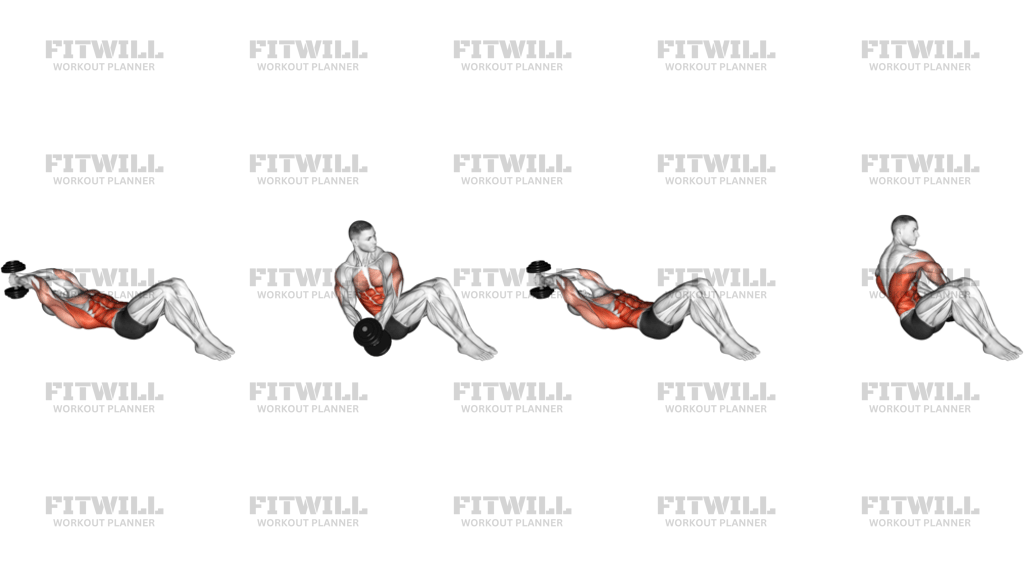
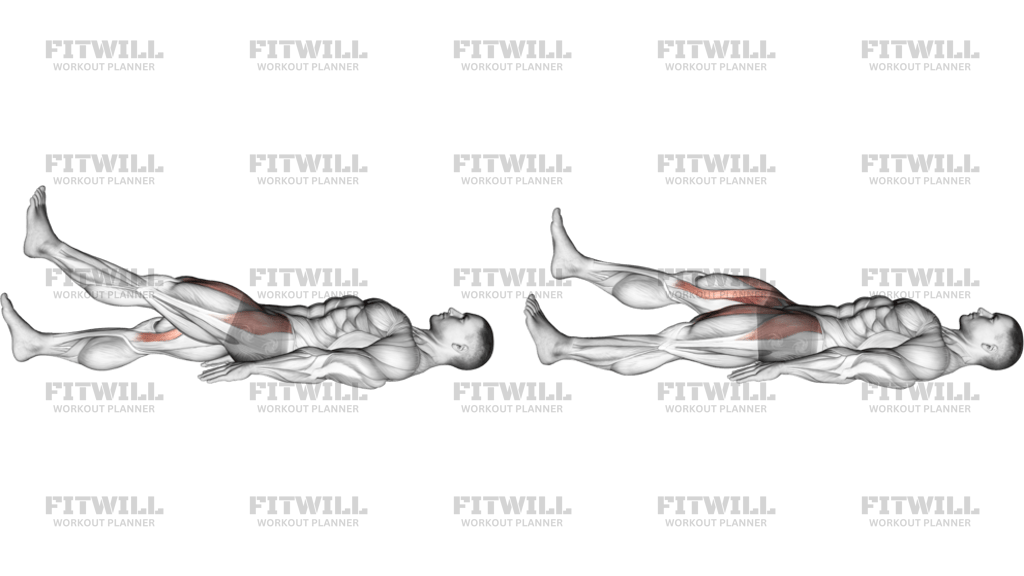
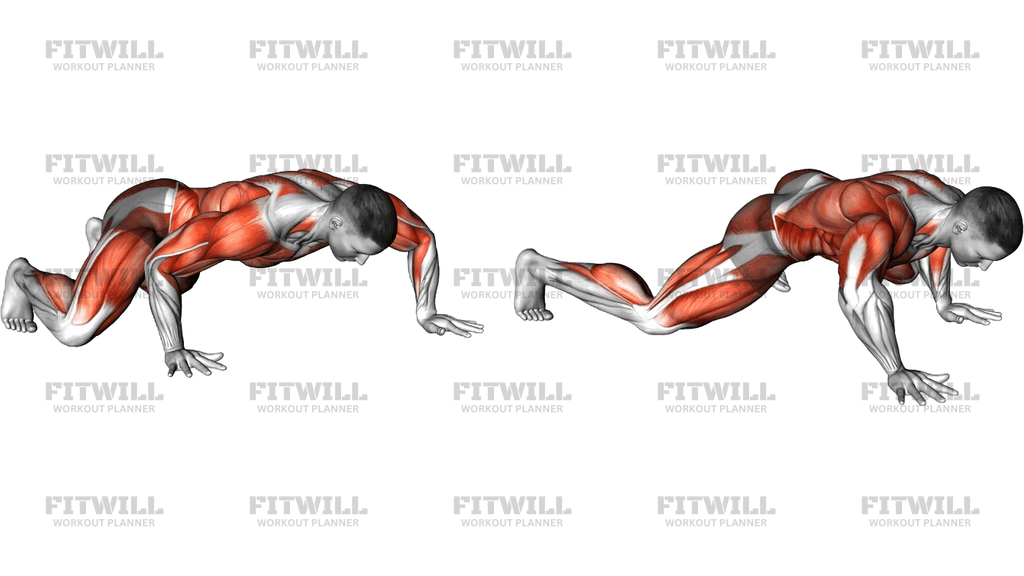
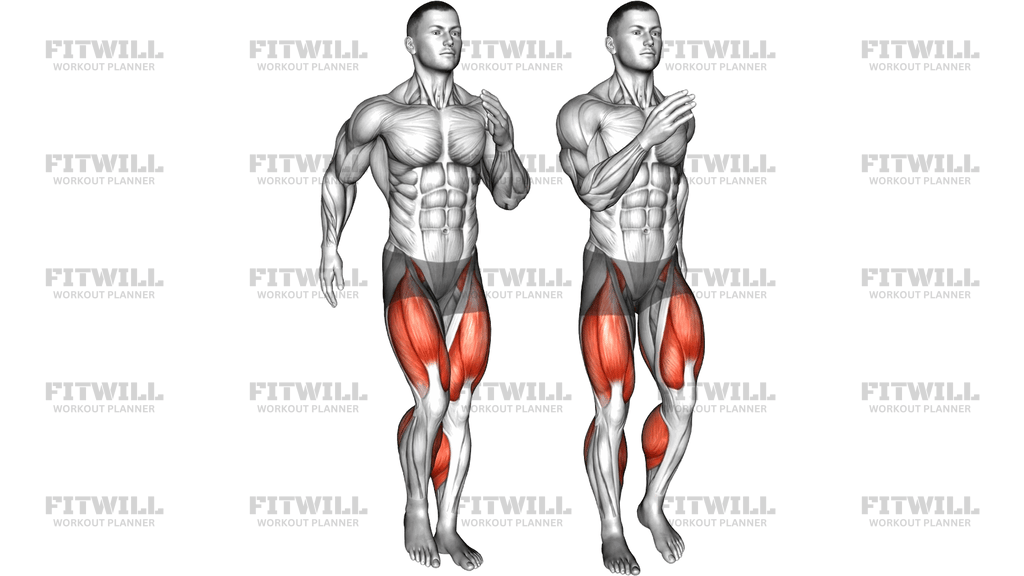
Alternating Hip Flexor Hamstring Stretch
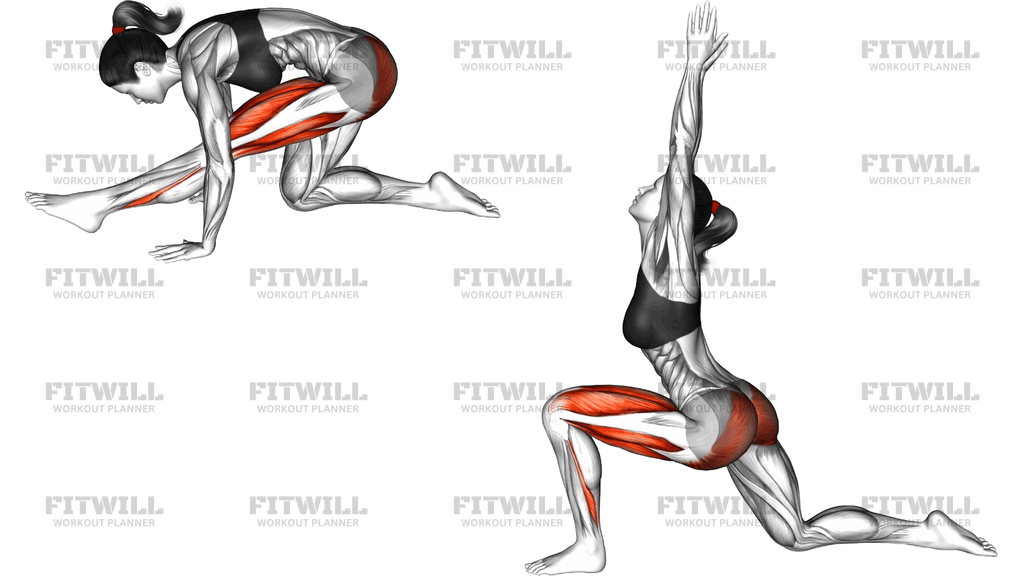
The Alternating Hip Flexor Hamstring Stretch is a flowing body-weight mobility drill that moves you between two complementary positions on each side of the body. From a low lunge with the back knee resting on the floor, you reach both arms overhead to open the front of the rear hip, then straighten the front leg and fold your torso down over it to lengthen the hamstrings and calf of that same leg. After both positions have been held, you switch legs and repeat the sequence on the other side.
This combination makes the stretch efficient for anyone short on time, because the two structures that most often limit lower-body movement, the hip flexors of the back leg and the hamstrings of the front leg, are addressed in one continuous flow. It is especially useful for runners, cyclists, and people who sit for long stretches of the day, since prolonged sitting keeps the hip flexors in a shortened position and often leaves the hamstrings feeling tight and restricted.
The setup matters more than it might seem. A long enough stance between your front foot and your back knee determines whether the hip flexor position actually lengthens the front of the hip or just compresses the lower back. Similarly, the way you hinge over the straight front leg, folding from the hips rather than rounding through the spine, decides whether the hamstrings receive the stretch or the lower back takes the strain. Small adjustments to torso position and foot flexion let you fine-tune where you feel the work.
To execute it well, move slowly between the two positions and let your breath set the pace. Exhale as you settle into each end position and breathe steadily while you hold. The stretch should feel like a comfortable, deep pull, never sharp pain at the back of the knee, in the groin, or in the lumbar area. If a position feels too intense, shorten the stance, soften the knee slightly, or place hands on blocks or the floor for support.
A common use case is as part of a warm-up before lower-body training or a run, or as a cooldown release afterward. Because each side is worked before switching, it also doubles as a simple self-assessment: most people notice one hip or one hamstring is noticeably tighter, and that awareness helps guide how much attention the tighter side needs over time.
[ Workout Log & Planner ]
Put your next workout in Fitwill
Keep your plan and training log ready when you are.


Instructions
- Kneel on the floor and step one foot forward into a long lunge, front knee bent roughly 90 degrees and stacked over the ankle, back knee resting on the ground with the top of the back foot down.
- Keep your hands on the floor or your front thigh at first and check that your stance is long enough that both hips feel stable, back foot and front foot hip-width apart on their lines.
- Tighten your abdominal muscles slightly and tuck your tailbone under so your lower back stays long rather than arching.
- Press your hips gently forward and raise both arms overhead, keeping the ribs down, until you feel a stretch across the front of the rear hip and thigh; hold for 20 to 30 seconds while breathing steadily.
- Place both hands on the floor on either side of your front foot, then slowly straighten the front leg, sending your hips back and down as you lengthen it.
- Fold your chest toward the straight front leg from the hip crease, keeping the back long, and flex the front toes toward you to deepen the stretch in the hamstring and calf; hold for 20 to 30 seconds.
- Bend the front knee again, lower your hips forward, and return to the low lunge position with control before transitioning.
- Inhale as you rise or extend, and exhale as you deepen into each stretch, avoiding any holding of the breath.
- Bring the back knee forward, switch legs, and repeat the full hip flexor and hamstring sequence on the other side.
- Complete one to two rounds per side, finishing by gently shaking out the legs or moving into a standing position.
Tips & Tricks
- If your lower back arches when the arms go overhead in the lunge, tuck the pelvis more and lower the arms slightly; the hip flexor stretch comes from the pelvic position, not from bending backward.
- Pad the down knee with a folded mat or towel, especially on hard floors, so discomfort in the knee does not distract you from the hip stretch itself.
- When folding over the straight front leg, lead with the chest and hinge from the hip crease; rounding the upper back to reach further only shifts tension away from the hamstrings.
- A slight soft bend in the front knee is fine if the hamstring stretch feels like it is pulling behind the knee; tendons at the knee joint should not be the target.
- Keep the front foot flat and the knee tracking over the middle of the foot in the lunge; letting the knee drift inward changes the stretch and loads the knee joint awkwardly.
- Do not bounce in either position. Slow, steady holds with relaxed breathing lengthen the tissue more effectively than pulsing, and bouncing often triggers protective tightness.
- If you cannot reach the floor when the front leg straightens, rest your hands on a yoga block or a low step instead of forcing the torso down.
- Expect one side to feel tighter. Spend the standard hold on both sides rather than rushing the looser side, and add an extra round on the tighter side if needed.
- Keep the neck relaxed and gaze down when folding forward; craning the head up to look ahead strains the neck and shortens the line of the stretch.
Frequently Asked Questions
Which muscles does the Alternating Hip Flexor Hamstring Stretch target?
The overhead lunge position targets the hip flexors, mainly the iliopsoas and rectus femoris of the rear leg, along with the glutes. The forward fold over the straight front leg targets the hamstrings and, when the toes are flexed back, the calf muscles.
Why do both arms reach overhead during the hip flexor portion?
Reaching overhead lengthens the entire front line of the body from shoulders through the hip, deepening the stretch on the iliopsoas. Just make sure the ribs stay down and the pelvis stays tucked so the lower back does not compensate.
Is the Alternating Hip Flexor Hamstring Stretch suitable for beginners?
Yes. The positions are simple and self-regulating: shorten the lunge, soften the front knee, or use a block under the hands to reduce intensity. Beginners should start with shorter holds of about 15 to 20 seconds per position.
How long should I hold each position of the Alternating Hip Flexor Hamstring Stretch?
Twenty to thirty seconds per position works well for a cooldown, while shorter holds of 10 to 15 seconds are fine in a warm-up. Complete one to two rounds per side depending on how tight you feel.
My back knee hurts when it rests on the floor. What can I do?
Place a folded towel, mat, or cushion under the down knee. If kneeling still bothers the knee, you can perform the hip flexor portion in a standing staggered stance with the back heel lifted.
Should the front knee stay bent or straighten during the stretch?
It does both. The knee stays bent at about 90 degrees for the hip flexor hold, then straightens fully for the hamstring fold. This transition is exactly what makes the exercise a two-in-one mobility flow.
What is the most common mistake in this stretch?
Arching the lower back during the overhead lunge, which fakes the hip flexor stretch, and rounding the spine during the forward fold, which shifts tension away from the hamstrings. Tuck the pelvis in the lunge and hinge from the hips in the fold to fix both.
When is the best time to do the Alternating Hip Flexor Hamstring Stretch?
It works well after runs, cycling, or lower-body strength sessions when the muscles are warm. It can also be used in a gentle warm-up with shorter holds, but save longer static holds for after training.
Can I substitute anything if I cannot get down to the floor?
Yes. A standing hip flexor stretch with the rear heel pressed down and arms overhead covers the first half, and a straight-leg forward fold with one heel on a low step covers the hamstring half. Both keep the same lengthening effect without kneeling.
Is it normal for one side to feel much tighter than the other?
Very common, especially in people who habitually cross their legs or stand favoring one hip. Hold the same duration on both sides and consider adding one extra round on the tighter side rather than cutting the comfortable side short.