Standing Double Knee Raise Side Step
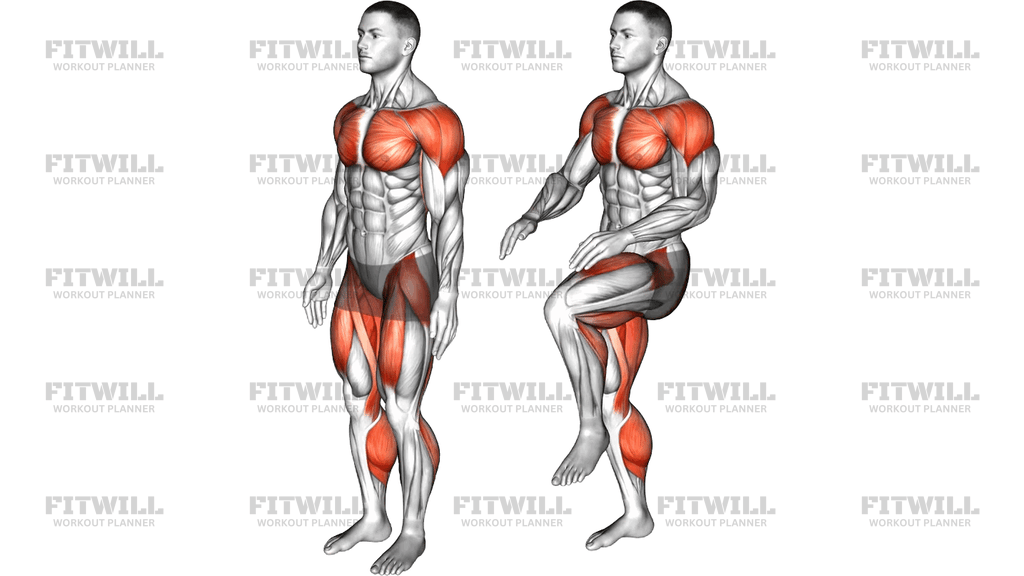
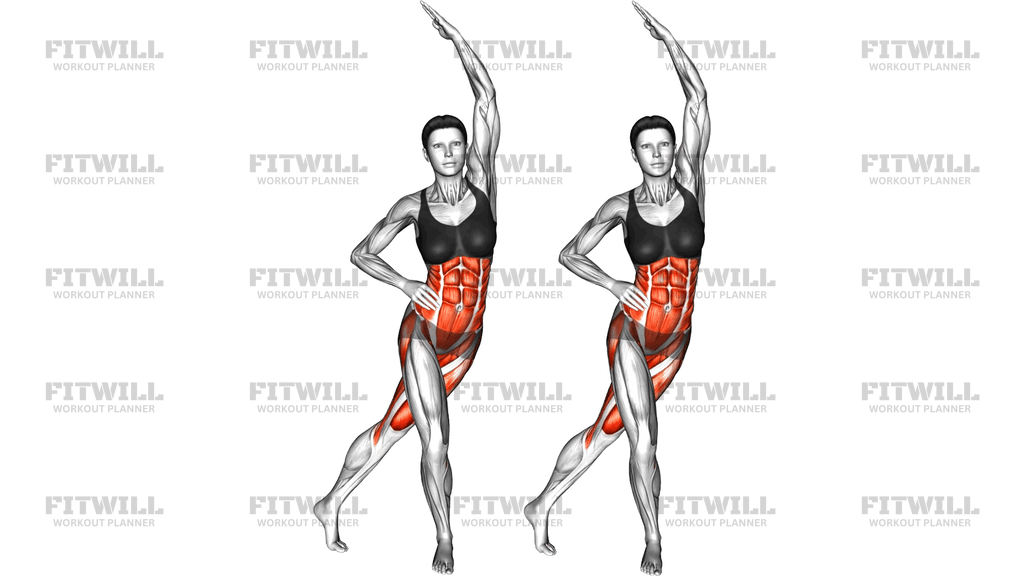
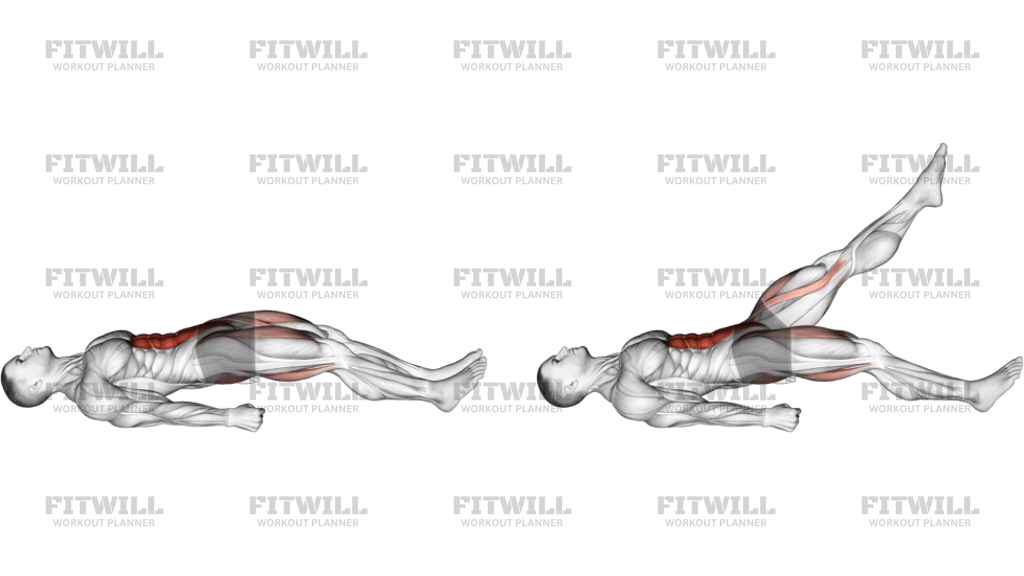
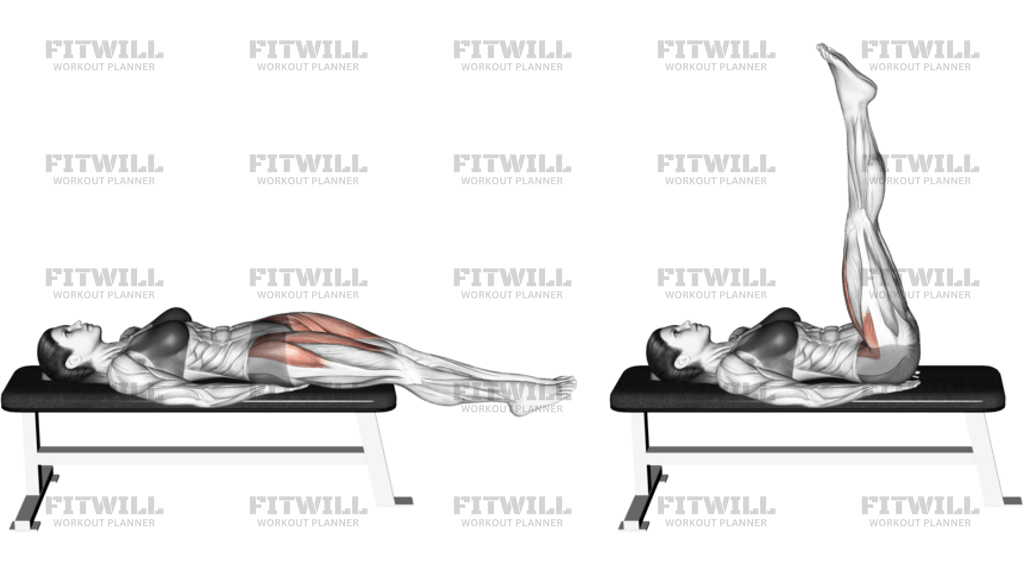
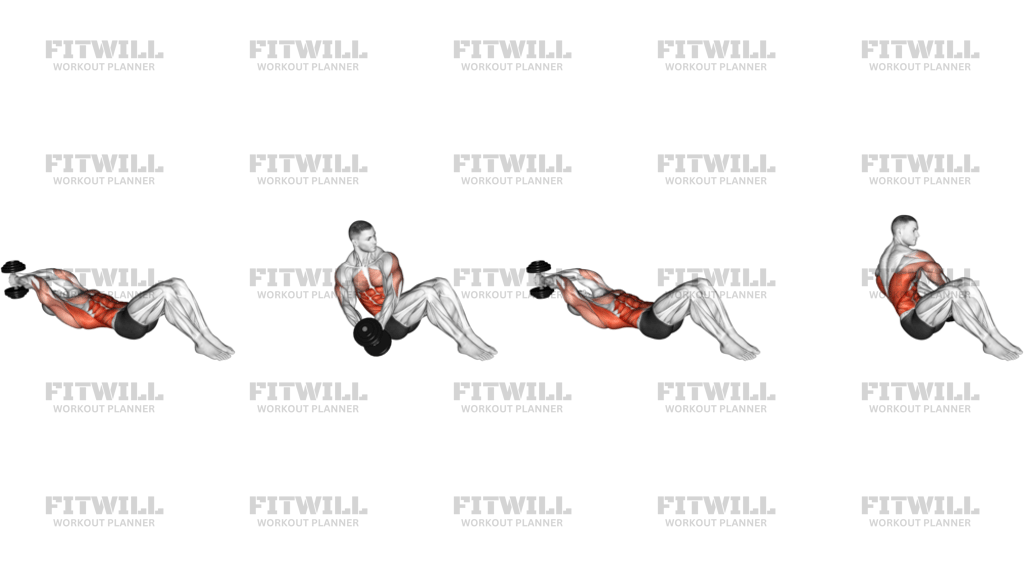
The Standing Double Knee Raise Side Step is a body weight core movement performed from an upright stance with the hands crossed over the chest. From there, you lift one knee up and across toward the opposite side of the body in a controlled arc, set the foot down slightly wider than where it started, and repeat with the other leg. The result is a rhythmic side-stepping pattern driven entirely by knee lifts, which keeps the abs and hip flexors working on every rep while the standing leg handles balance and stability.
This exercise suits a wide range of trainees because it asks for no equipment and very little space. Beginners can use it to learn how to brace the trunk while moving the legs, and more experienced lifters often use it as a warm-up primer before squats or deadlifts, or as a higher-rep finisher that leaves the midsection and hip area thoroughly worked without loading the spine.
The main work comes from the hip flexors, which drive each knee upward, and the abs and obliques, which hold the torso tall and control the slight rotation and side-bend that happen as the knee travels up and across. The glute of the standing leg, along with the ankle stabilizers, stays busy the whole time to keep you from swaying as your center of gravity shifts from one foot to the other.
Setup matters more than it looks. Because the hands stay crossed at chest level, you have no arm swing to help you, so every bit of lift has to come from the hips and trunk. Stand tall with the ribs stacked over the pelvis, feet about hip-width apart, and brace the midsection as if bracing for a light push before you lift the first knee. If you start slouched or loose, the knee lift turns into a lean and the abs stop doing their job.
To execute it well, raise the knee to roughly hip height while guiding it slightly inward across the midline, pause for a beat, then place the foot down a step to the side. Alternate legs so you travel sideways in one direction, or step back to your starting mark each rep if you are training in a small area. Move at a tempo you can control, exhaling on each lift.
The most common errors are rushing the reps, dropping the torso forward as the knee rises, and lifting the knee so high that the lower back rounds. Choose a knee height where you can keep the chest proud and the trunk still, and treat the pause at the top as part of the rep rather than wasted time. If balance is shaky early on, stand near a wall or rack and let one fingertip rest on it until the pattern feels steady.
Fitwill
Log Workouts, Track Progress & Build Strength.
Achieve more with Fitwill: explore over 9600 exercises with images and videos, access built-in and custom workouts, perfect for both gym and home sessions, and see real results.
Start your journey. Download today!




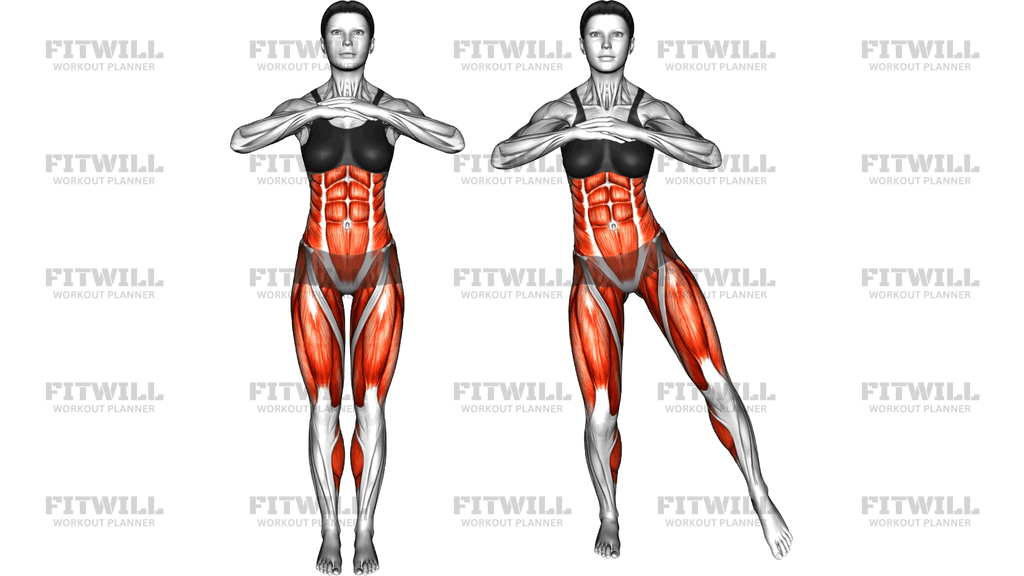
Instructions
- Stand upright with your feet about hip-width apart and cross your forearms over your chest so each hand rests on the opposite shoulder or upper arm.
- Stack your ribs over your pelvis, soften the standing knees slightly, and brace your midsection before the first lift.
- Shift your weight onto one leg and let the opposite foot hover just off the floor.
- Drive that knee up and slightly across the midline of your body until it reaches about hip height, keeping your torso tall.
- Pause briefly at the top with the knee lifted and the trunk still.
- Lower the foot with control and place it down one step to the side of where it began.
- Repeat the same knee raise with the other leg so you continue traveling sideways, or return the foot to the starting line if space is limited.
- Exhale as each knee lifts and inhale as the foot lowers back to the floor.
- Keep your gaze forward and your shoulders relaxed away from your ears throughout the set.
- Complete your target reps on a steady rhythm, then reset your stance and brace before the next set.
Tips & Tricks
- If your torso starts tipping toward the lifting knee, slow the tempo and cut the knee height in half until you can lift without leaning.
- Crossing the arms over the chest removes momentum from the swing, so resist the urge to uncross them when the reps get hard.
- The knee should travel up and slightly inward, not straight out to the side; guiding it across the midline is what earns the obliques their share of the work.
- A rounded lower back at the top of the lift means you have gone past your hip range; stop at the height where your trunk position stays clean.
- Keep the standing knee softly bent rather than locked so the hip and ankle can absorb the small weight shifts between steps.
- Place the stepping foot down quietly; a heavy slap of the foot usually means you are dropping the leg instead of lowering it.
- Count your traveling distance before starting so you can step back along the same line, which keeps the work even on both sides.
- If you wobble on every rep, stand beside a wall and brush it with one fingertip for balance rather than widening into a big sway.
- Breathe on every rep instead of holding your breath through a block of them; the brace should come from the trunk, not from a shut airway.
Frequently Asked Questions
Which muscles does the Standing Double Knee Raise Side Step work the most?
The hip flexors lift each knee, while the abs and obliques hold the trunk tall and control the rotation as the knee crosses the midline. The glutes and ankle stabilizers of the standing leg work continuously for balance.
Is the Standing Double Knee Raise Side Step good for beginners?
Yes, it is a low-load way to learn bracing and single-leg balance at the same time. Beginners can lower the knee height or stand near a wall for light support until the pattern feels stable.
Why are the hands crossed over the chest in the Standing Double Knee Raise Side Step?
Crossing the arms removes arm swing and momentum, forcing the lift to come purely from the hips and trunk. It also makes it obvious when you start leaning, because the crossed arms drift off level.
Should my knee travel straight up or across my body?
Drive the knee up and slightly across the midline, since that diagonal path is what gives the obliques and inner hip muscles their work. A purely vertical lift turns the exercise into a plain knee raise.
How high should I raise my knee?
Aim for about hip height, or slightly less if your trunk starts to round or tip. The top position should be a height you can pause at with a tall chest and a still lower back.
Can I do the Standing Double Knee Raise Side Step as a warm-up?
Yes, it works well as a primer before lower-body training because it wakes up the hip flexors, glutes, and trunk without fatigue. Use slow, easy reps for a set or two rather than pushing to a burn.
What is the most common mistake in this exercise?
Rushing the reps and leaning the torso toward the lifting knee. Slow the tempo, place the foot down quietly, and only lift as high as you can while keeping the ribs stacked over the pelvis.
What can I substitute if I need an easier version of the Standing Double Knee Raise Side Step?
Try a standing straight-leg side raise with a smaller range, or perform the same knee lifts while holding a sturdy support with one hand. Marching knee lifts in place are another step down in difficulty.
Is it safe for my lower back?
For most people yes, as long as you keep the trunk braced and avoid cranking the knee higher than your hips allow. If you feel any pinching or strain in the low back or front of the hip, reduce the range and slow down, and skip the movement if pain persists.