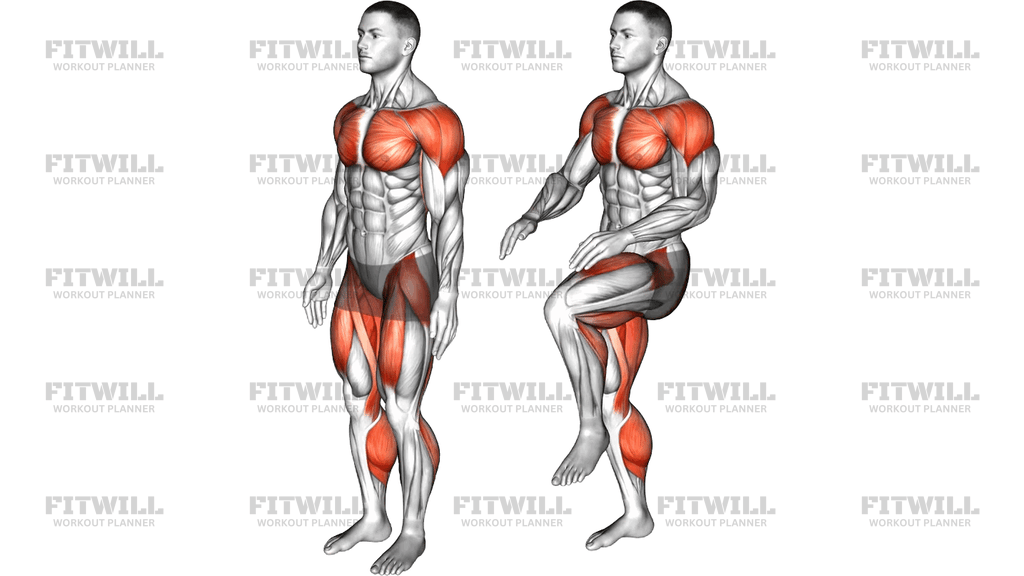
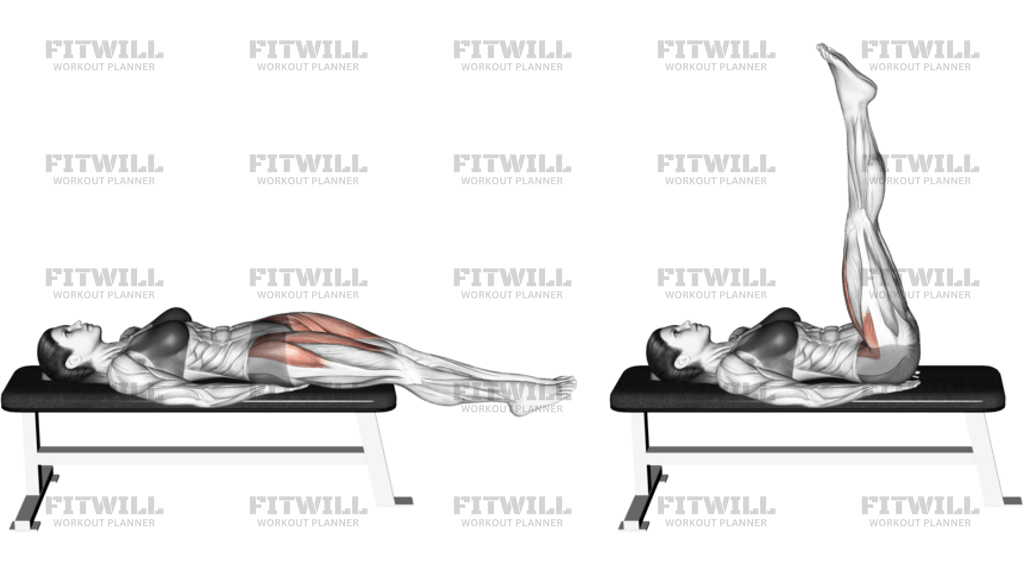
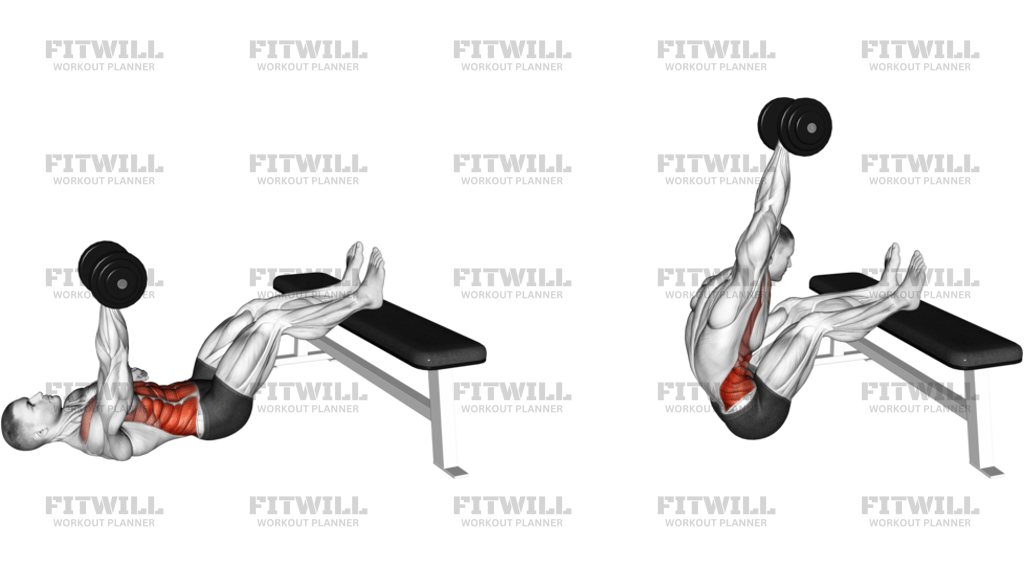
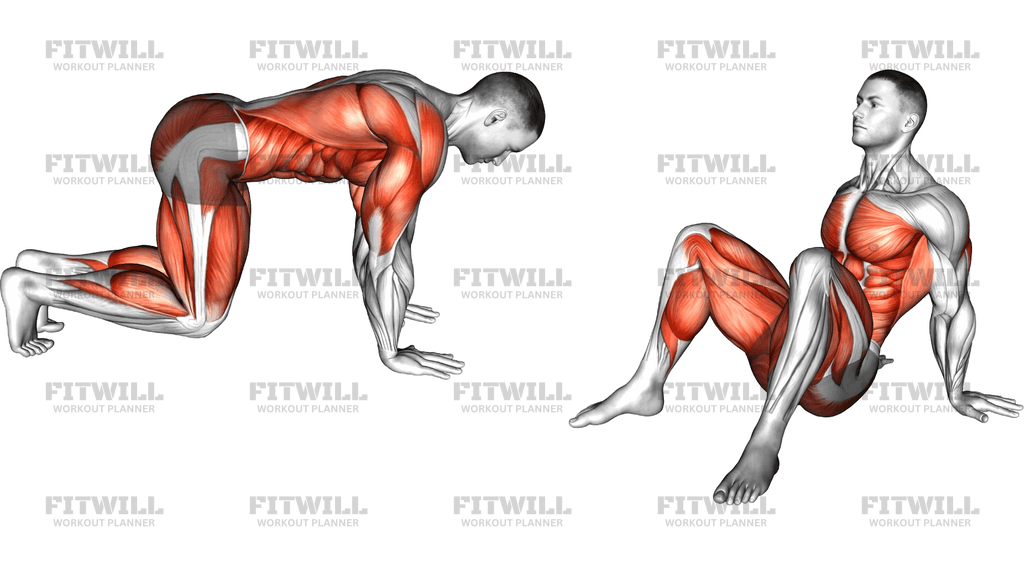
90 To 90 Knee Thrust
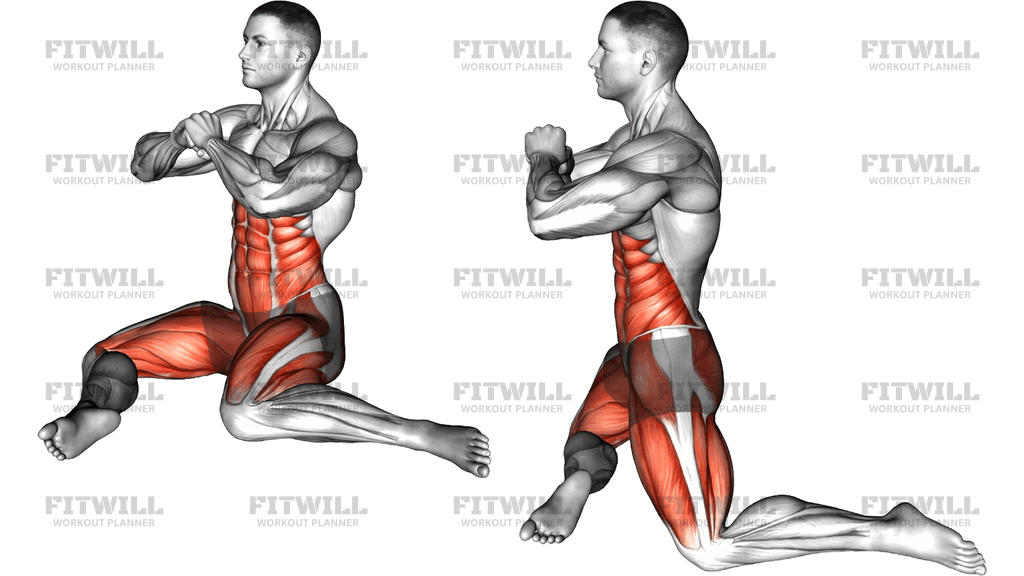
The 90 To 90 Knee Thrust is a body weight drill performed from a half-kneeling position in which both the front and rear knees sit at roughly 90-degree angles. From that stance, you drive the front knee forward over the toes in a controlled thrust, then pull it back to the starting stack. The hands stay clasped in front of the chest throughout, which keeps the torso honest and forces the trunk to stabilize rather than lean.
This movement primarily targets the hip flexors of the front leg, since they power the forward knee drive against your own body weight. The quads on the front leg assist as the knee travels forward, while the glutes of the down leg work hard to keep the hips square and prevent the pelvis from rotating or dumping forward. The abs and obliques are under constant tension because a half-kneeling base is inherently narrow front to back.
The 90/90 setup matters more than people expect. With the front shin vertical and the rear knee stacked under the hip, the pelvis starts in a neutral, tall position. That alignment lets the hip flexors do the work instead of letting the lower back arch or the torso collapse toward the thigh. If the setup drifts, the thrust turns into a trunk flop and you lose most of the benefit.
To execute it well, stay tall through the spine, squeeze the glute on the kneeling side, and think of pushing the floor away with the front foot as the knee glides forward. The movement happens at the front knee and hip, not through the lower back. Reverse the motion under control so the front shin returns to vertical without letting the hips rock backward.
This drill fits well into warm-ups for squatting, lunging, or running, and it is a useful stand-alone exercise for anyone who spends long hours sitting and wants to wake up the hip flexors in a lengthened position. It also serves as a teaching tool for lifters who struggle to keep their torso upright in split-stance positions like lunges and step-ups.
Because there is no external load, the 90 To 90 Knee Thrust is low risk when performed with control. The main safety points are protecting the down knee with a mat or soft surface, avoiding any forward knee drive that causes pinching at the front of the hip, and never letting momentum replace muscular effort.
[ Workout Log & Planner ]
Put your next workout in Fitwill
Keep your plan and training log ready when you are.


Instructions
- Kneel on a mat with your right leg forward: front knee bent to about 90 degrees with the shin vertical and the whole foot flat on the floor, and the left knee resting on the mat directly under your left hip with the left shin pointing back at 90 degrees.
- Clasp your hands together in front of your chest with elbows tucked, and lengthen your spine so your ears, shoulders, and hips form one tall line.
- Squeeze the glute of the kneeling leg and brace your abs to lock the pelvis in a neutral position before moving.
- Inhale, then exhale as you thrust the front knee forward, gliding it past the toes while the foot stays flat and planted.
- Keep the torso vertical as the knee travels forward; your chest and hands should move as little as possible.
- Stop the thrust when you feel the front of the hip or the quad working hard, or when the front heel starts to lift, whichever comes first.
- Pull the knee back by pressing through the front foot until the shin returns to vertical and the weight is balanced evenly between the front foot and the down knee.
- Breathe steadily throughout: inhale as the knee returns, exhale on each forward thrust.
- Complete all repetitions on one side, then switch legs so the opposite knee drives forward and the other knee rests on the mat.
- Between sets, stand up or shake out the legs to reset the hips before starting the next set.
Tips & Tricks
- A common mistake is arching the lower back as the knee thrusts forward, which cheats the hip flexors. Keep the glute of the kneeling leg clenched the entire set to hold the pelvis down.
- If your front heel lifts off the floor during the thrust, you are going past your available range. Shorten the travel and work gradually toward more knee flexion over time.
- Do not let the torso collapse over the front thigh. If your chest drops, imagine a string pulling the crown of your head toward the ceiling and restart with a smaller range.
- Watch for the hips rotating toward the front leg. Point both hip bones straight ahead and keep the rear knee planted under the hip to stay square.
- Placing a folded towel or pad under the kneeling knee makes longer sets far more comfortable and lets you focus on the drive instead of the discomfort.
- The movement should be smooth and deliberate. If you are bouncing the knee forward with momentum, slow the tempo to a two-second drive and a two-second return.
- Keep the hands clasped lightly at the chest rather than pulling the elbows wide, which helps you notice immediately when the trunk starts to twist.
- If the front of the hip pinches during the drive, back off the range slightly and focus on squeezing the kneeling glute before each rep rather than pushing deeper.
- Expect the down-side glute to fatigue before the front hip in many people. That burning in the back leg is normal and is part of what makes the half-kneeling base valuable.
Frequently Asked Questions
What muscles does the 90 To 90 Knee Thrust work?
The hip flexors of the front leg do most of the work, supported by the quads as the knee drives forward. The glutes of the kneeling leg and the abs and obliques stabilize the pelvis and trunk throughout the set.
Why is the exercise done in a half-kneeling 90/90 position instead of standing?
The half-kneeling stance removes balance demands and locks the pelvis in place, so the front hip can move through a clean, isolated range. It also trains the anti-rotation role of the core in a split-stance position that carries over to lunges and running.
Is the 90 To 90 Knee Thrust good for beginners?
Yes. It requires no equipment beyond a mat and teaches core and hip control at a low intensity. Beginners should start with a shorter knee travel and prioritize a tall, quiet torso over depth.
Should the front knee go past the toes during the thrust?
Some forward travel past the toes is normal and not inherently harmful, but only go as far as you can while keeping the heel down and the torso upright. If the heel lifts or you feel pinching, reduce the range.
How many reps and sets should I do?
Two to three sets of 8 to 12 controlled thrusts per side works well, either as a warm-up before lower body training or as stand-alone hip and core work. Slow, deliberate reps beat fast ones here.
My lower back gets sore during this exercise. What am I doing wrong?
Your pelvis is most likely tilting forward and your lower back is arching to produce the knee drive. Squeeze the glute of the kneeling leg before every rep and slightly reduce how far the knee travels until you can keep the trunk still.
Can I use the 90 To 90 Knee Thrust as a warm-up?
Absolutely. It is an effective way to prime the hip flexors, quads, and stabilizing glutes before squats, lunges, sprints, or any split-stance lifting. Keep the reps moderate so the muscles are activated, not fatigued.
What can I substitute if kneeling hurts my knee?
Place a thick pad under the down knee, or perform standing knee drives while holding a wall for support. You lose some of the pelvic stability challenge, but the hip flexor drive remains the same.
Do I need to switch sides between every rep?
No. Completing all reps on one side before switching is standard, since resetting the half-kneeling position every rep breaks your rhythm and brace. Just keep the set balanced by doing the same number of reps on each side.