Low Cross Front Leg Lift
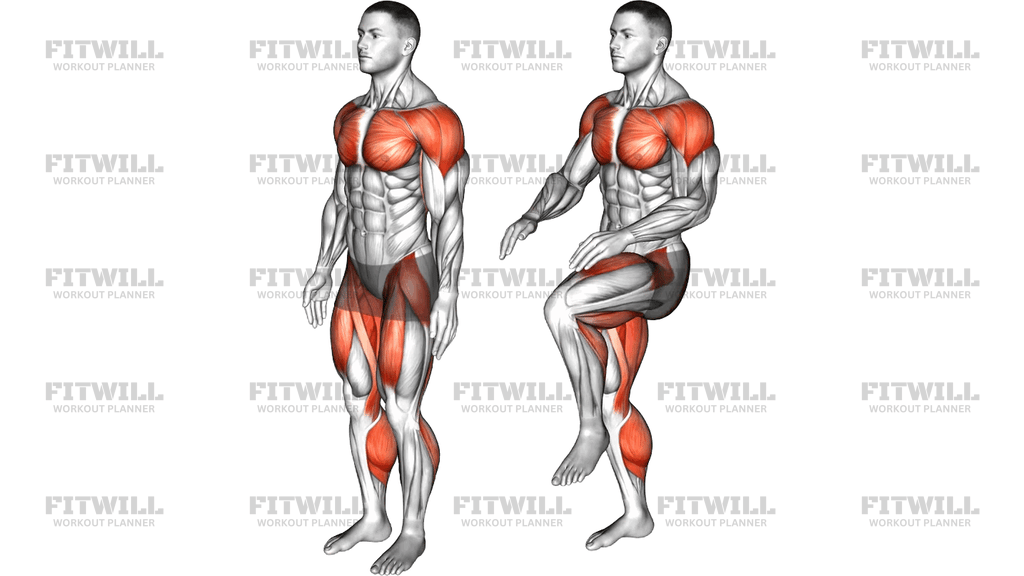
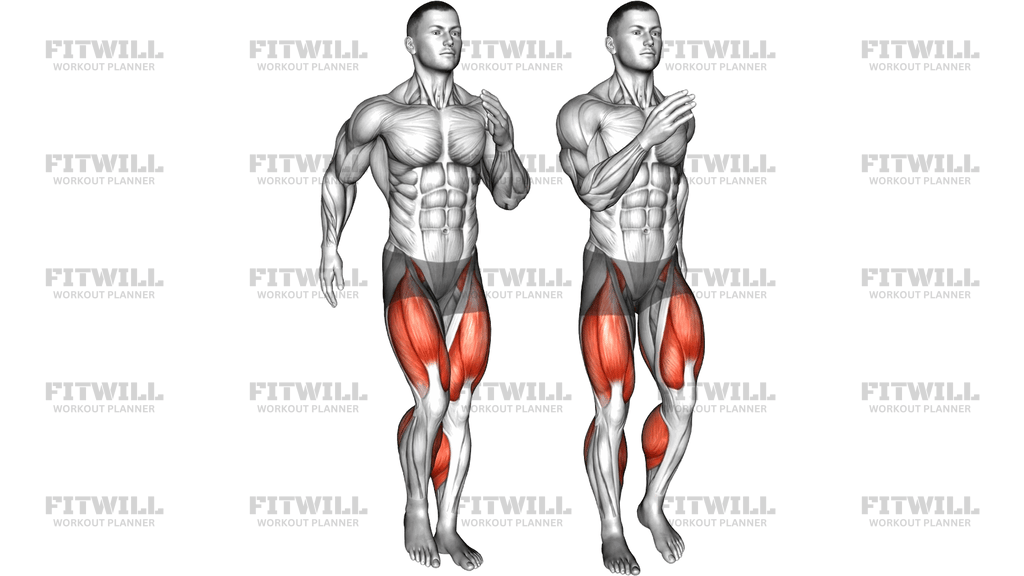
The Low Cross Front Leg Lift is a standing, body-weight movement where you lift one leg to a low height in front of your body, guiding it slightly across the midline before lowering it back under control. Because the leg stays low and crosses inward, the emphasis lands on the deep hip flexors and the adductors on the inner thigh rather than on the quads or a big high-knee range. The standing support leg has to work the whole time, anchoring your pelvis while the other side moves.
This exercise suits people who want to train hip flexion and inner-thigh control without equipment, and it fits well into warm-ups, home routines, and rehab-style hip programs. Runners, dancers, and martial artists often benefit from it because the crossing path mimics how the leg actually moves during cutting, stepping across the body, and changing direction. It is also a gentle entry point before attempting harder hanging leg raises or standing knee raises.
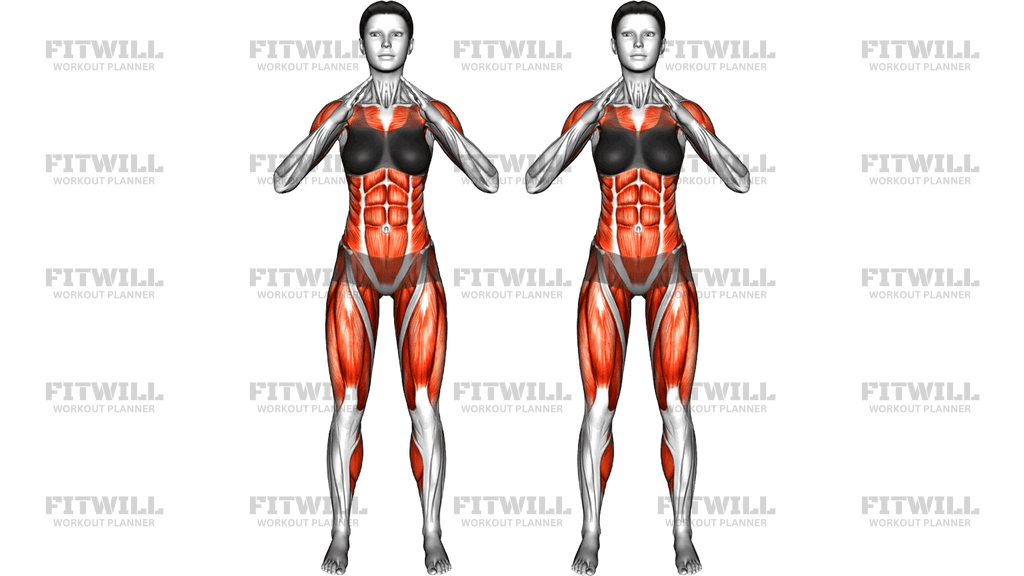
The main muscles at work are the iliopsoas and rectus femoris on the lifting side, which drive the leg up and across. The inner-thigh adductors contribute as the leg crosses the midline, the lower abdominals help hold the pelvis steady, and the glute medius on the standing leg keeps you from swaying sideways. Expect a modest but focused effort rather than a heavy burn.
Setup matters more than it looks. Stand tall with a soft bend in the standing knee, and place your fingertips lightly on your upper chest or collarbones so you can feel whether your torso starts to lean or twist as the leg moves. Keep your ribs stacked over your pelvis; if you arch your lower back or shift your hips to chase height, the hip flexors stop doing the work and the lumbar spine takes over.
To perform the movement, brace your core, then lift one leg to roughly knee height in front of you, angling the foot slightly toward the opposite side so the leg travels across the midline. Pause briefly at the top, then lower the leg slowly back to the floor instead of letting it drop. Complete all reps on one side or alternate legs, depending on your preference and balance.
Use the Low Cross Front Leg Lift in a hip-focused warm-up, as a filler between harder strength sets, or as a standalone balance and control drill. Start with two to three sets of eight to twelve slow reps per side, and only add speed or more range once you can keep your torso quiet and your pelvis level throughout the set.
Fitwill
Log Workouts, Track Progress & Build Strength.
Achieve more with Fitwill: explore over 9600 exercises with images and videos, access built-in and custom workouts, perfect for both gym and home sessions, and see real results.
Start your journey. Download today!




Instructions
- Stand upright with your feet hip-width apart and your weight evenly balanced over the whole foot of your working base leg.
- Place your fingertips lightly on your upper chest or collarbones, elbows relaxed and pointing down, so you can detect any torso lean or twist during the movement.
- Soften the knee of your standing leg slightly and brace your abdominal muscles to level your pelvis before you start.
- Shift your weight over the standing leg, then raise your other leg in front of you to about knee height, angling it slightly inward so it crosses toward the opposite side of your body.
- Pause for one to two seconds at the top of the lift, keeping the lifted leg relaxed and letting the hip do the work.
- Lower the leg slowly back to the floor over two to three seconds rather than dropping it.
- Exhale as you lift the leg and inhale as you lower it, keeping your breathing steady and your chest tall.
- Finish all reps on one side before switching, or alternate legs rep by rep if your balance is better that way.
- Reset your stance and brace between sets, checking that your hips have not drifted sideways from the standing-leg position.
Tips & Tricks
- If your lower back arches as the leg rises, your hip flexors are out of range; reduce the lift height until you can keep your ribs down and pelvis level.
- Crossing too far or too high turns this into an uncontrolled swing. Aim for a low, deliberate arc just past the midline instead.
- Do not let the standing hip drop or push out to the side. Imagine the standing glute hugging the hip socket to keep the pelvis level.
- Keep the lifted foot relaxed. Pointing or flexing the foot hard usually adds tension to the thigh and neck without helping the hip lift.
- If you wobble, widen your base slightly or stand near a wall with one hand hovering for support, but keep the working leg's path unchanged.
- Avoid locking the standing knee. A small bend protects the joint and improves your balance on every rep.
- Speed is a common mistake here. A two-second lift and a three-second lower will expose weak hip control far better than fast reps.
- If your hands creep up toward your neck or jaw as you tire, drop them to your hips instead, which makes torso lean easier to notice and correct.
Frequently Asked Questions
Which muscles does the Low Cross Front Leg Lift work?
The hip flexors, especially the iliopsoas, drive the lift, and the inner-thigh adductors assist as the leg crosses the midline. The lower abdominals and the standing leg's glute medius work to keep your pelvis stable.
Why does the leg cross toward the opposite side in the Low Cross Front Leg Lift?
The crossing path adds an adduction component, so the inner thigh contributes alongside the hip flexors. It also mirrors how the leg moves during stepping, cutting, and direction changes in sport.
How high should I lift my leg during the Low Cross Front Leg Lift?
Aim for roughly knee height, just enough for the leg to cross slightly past the midline. If your pelvis tilts or your lower back arches, the lift is too high for your current control.
Is the Low Cross Front Leg Lift good for beginners?
Yes. It needs no equipment and the low range makes it approachable. Beginners should slow the tempo down and, if needed, stand near a wall for light balance support.
What is the most common mistake in the Low Cross Front Leg Lift?
Swinging the leg up using momentum while the torso leans back. Both take work away from the hip flexors and adductors and shift strain toward the lower back.
Can I substitute another exercise for the Low Cross Front Leg Lift?
A standing knee raise trains similar hip flexion without the crossing, while a lying or hanging leg raise covers the hip flexors from a different angle. Neither matches the adductor emphasis of the cross, so use a banded adduction drill alongside one of them if that matters to you.
Should I alternate legs or complete all reps on one side?
Either works. Alternating rep by rep helps with balance, while finishing one side first makes it easier to notice strength differences between your left and right hips.
Is the Low Cross Front Leg Lift safe for my lower back?
It is generally well tolerated because the range is low and controlled. Keep your ribs stacked over your pelvis, avoid arching as the leg rises, and reduce the height if you feel any lumbar strain.
How many sets and reps should I do of the Low Cross Front Leg Lift?
Start with two to three sets of eight to twelve slow repetitions per side. Progress by adding reps or a longer top pause before you consider adding resistance.